
If you’ve ever asked yourself, 'how do I know if I have HIV?', you’re not alone. Many people live with HIV for years without knowing it, which can delay treatment and increase transmission risks. In this guide, we’ll explore how to recognize HIV early, the importance of timely testing, and how you can take steps to protect your health.
Why Early Detection of HIV Matters
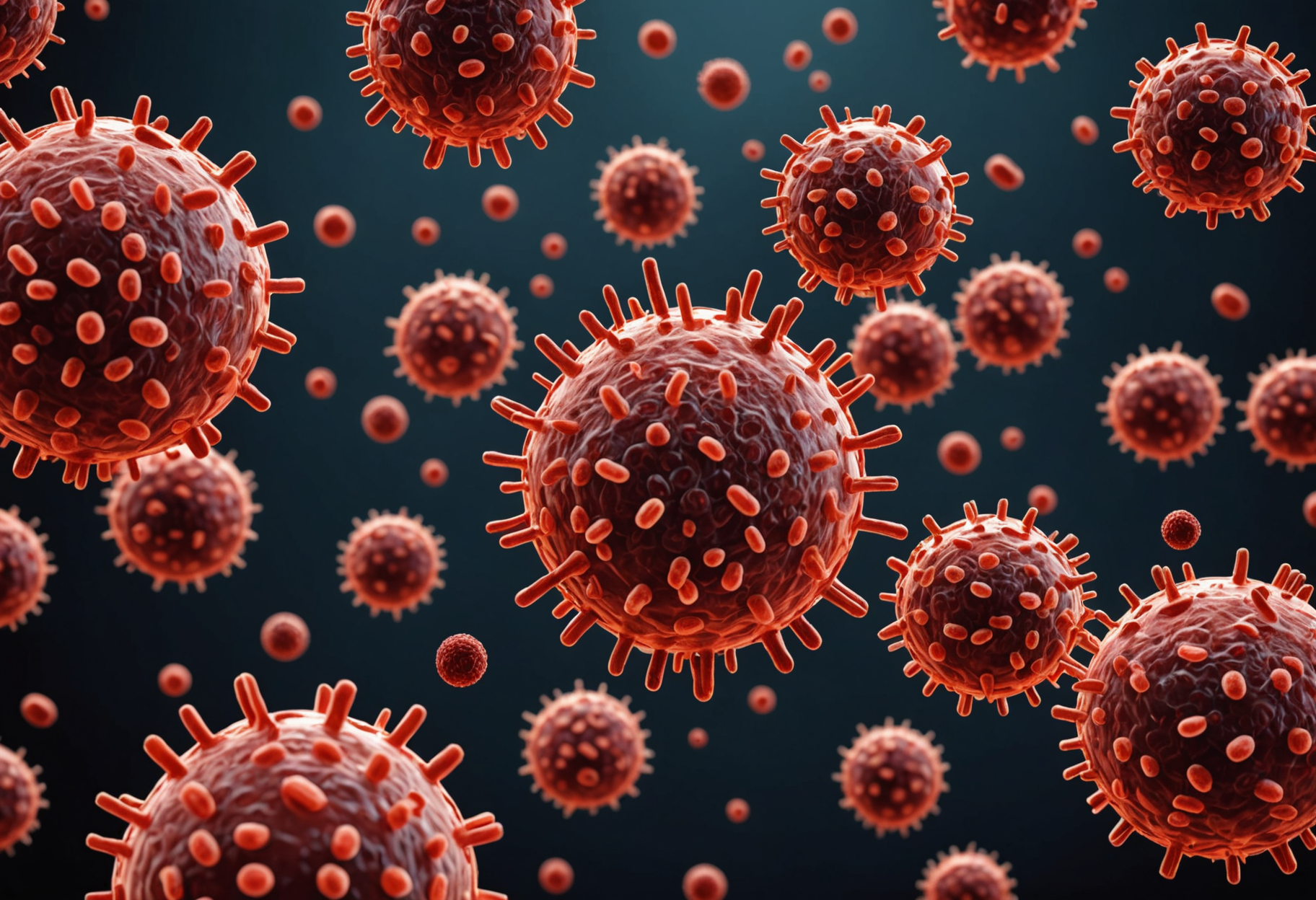
HIV (human immunodeficiency virus) impacts the body by weakening the immune system, making it harder to fight off infections. Recognizing the virus early is critical because it allows for timely medical intervention that can lead to better health outcomes and a longer life.
According to the CDC, nearly 13% of people living with HIV in the United States don’t know they are infected. Early diagnoses not only help you begin treatment sooner, but also reduce the risk of unknowingly transmitting the virus to others. That’s why answering the question "how do I know if I have HIV?" starts with timely testing and awareness.
Signs and Symptoms to Watch Out For
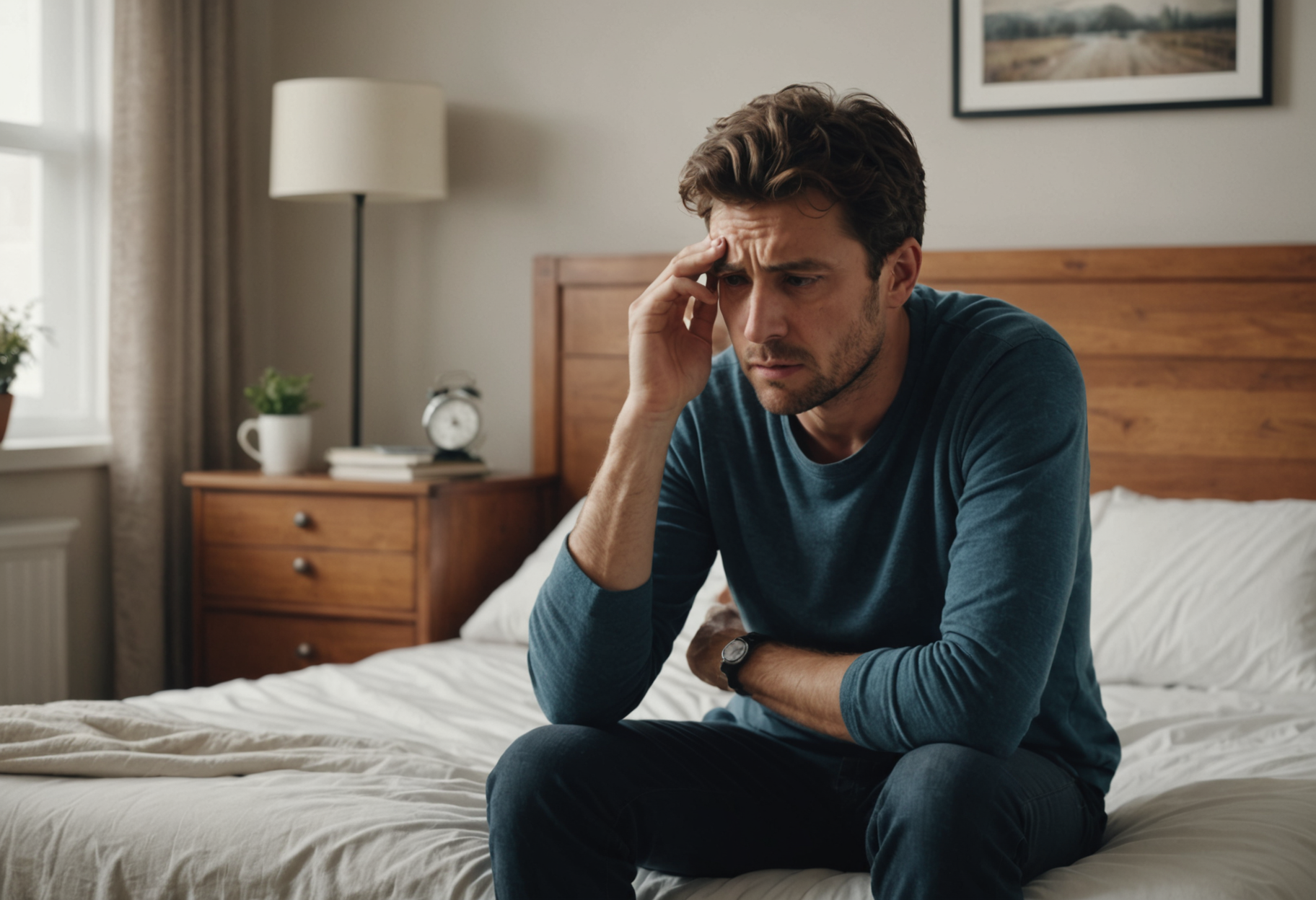
You may be wondering, "how do I know if I’ve got HIV?" The early signs of HIV can be mild or easily mistaken for other illnesses. Within 2 to 4 weeks after exposure, you might experience symptoms similar to the flu.
Here are some early symptoms that may occur:
- Fever
- Swollen lymph nodes
- Fatigue
- Sore throat
- Rash
- Muscle aches
However, not everyone will show symptoms, so absence of these signs does not mean you don’t have HIV. That’s why testing remains essential even without noticeable warning signs.
Timely Testing Methods You Can Rely On
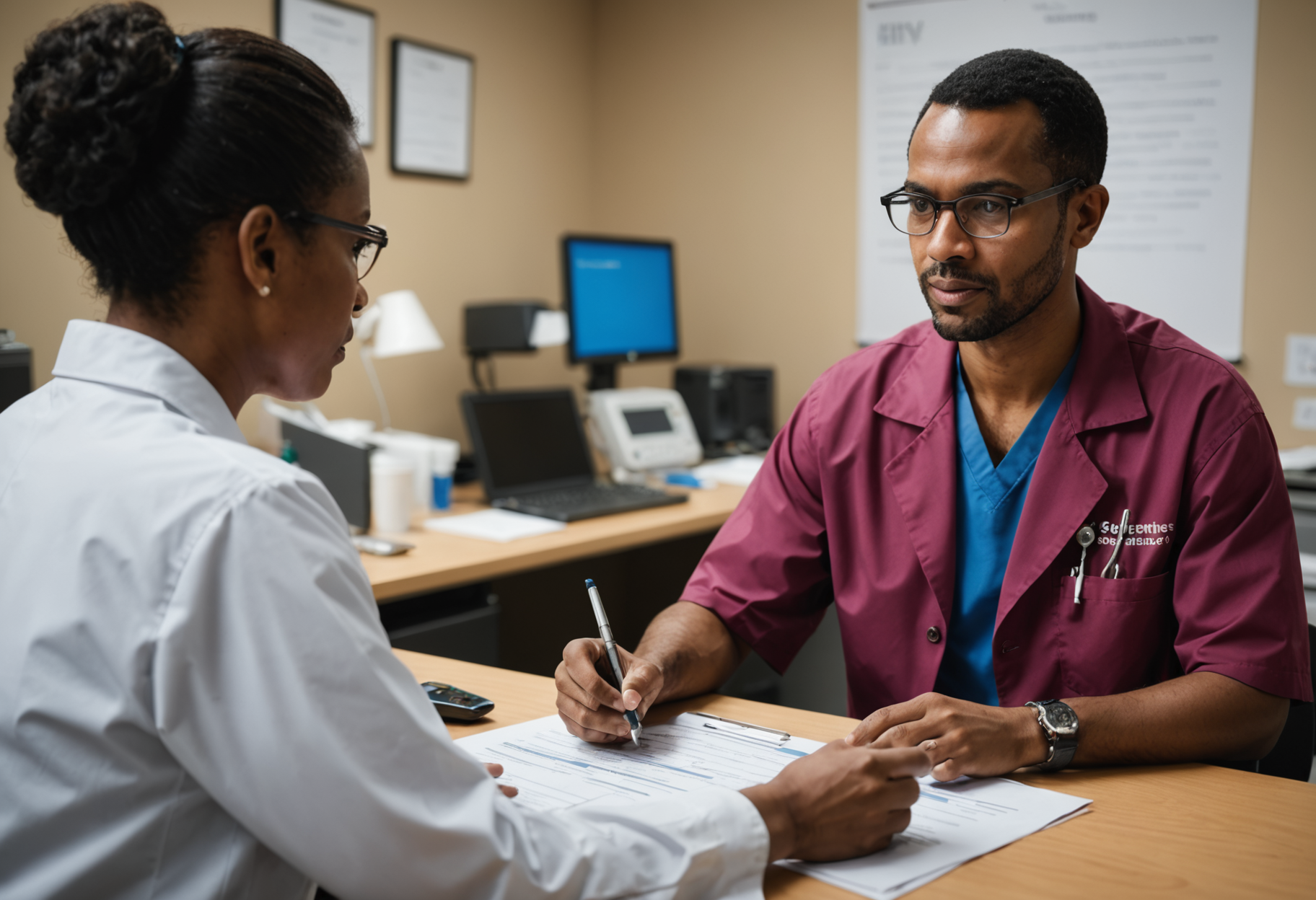
With advancements in diagnostics, HIV testing is now faster, more accessible, and highly accurate. There are several approved options to find out your HIV status:
- Rapid Tests: Provide results in as little as 20 minutes using oral fluid or a fingerstick blood sample.
- Home Testing Kits: Available for private testing at home, with instructions and discreet packaging.
- Lab-Based Tests: More comprehensive, often used to confirm initial rapid testing results.
Getting tested is confidential and usually free or low-cost through community clinics, health departments, and nationwide programs. According to the HIV.gov, routine testing is recommended for everyone aged 13–64 at least once, and annually for those at higher risk.
Who Should Get Tested and When
You may ask, "how to know if I have got HIV without symptoms?" The answer lies in proactive testing. HIV does not discriminate by age, gender, or orientation. However, some behaviors and conditions increase risk, such as having multiple sexual partners, sharing needles, or having other sexually transmitted infections (STIs).
It’s recommended that you get tested:
- If you’ve never been tested before and are sexually active
- After unprotected sex or shared needle use
- Before starting a new relationship
- If you experience unusual flu-like symptoms weeks after a risky encounter
Consistent and regular testing helps you stay informed and in control of your health.
Knowing how to recognize HIV early and taking timely steps to get tested can make a significant difference in your health and well-being. Whether you're wondering 'how do I know if I have HIV?' or seeking peace of mind, testing is the most reliable answer. Consider exploring your options further and talk to a healthcare professional to make informed decisions about your health.