
Heart failure symptoms often develop subtly, yet they can signal serious underlying health issues. Knowing what to look for may help you take action before the condition worsens. In this guide, we’ll explore the early signs of heart failure, causes, and why certain symptoms—especially in women—shouldn’t be overlooked.
Understanding the Early Signs of Heart Failure

Heart failure doesn’t mean your heart has stopped working completely—it means it isn’t pumping blood as well as it should. Early symptoms can be mistaken for aging, stress, or even digestive issues. According to the Centers for Disease Control and Prevention (CDC), over 6 million adults in the U.S. live with heart failure, many of whom don't recognize the signs early enough.
Here are common early indicators you should be aware of:
- Shortness of breath during routine activities or when lying down
- Fatigue or feeling unusually tired, even after rest
- Swelling in the ankles, feet, legs, or abdomen
- Frequent coughing or wheezing, especially with white or pink-tinged mucus
- Sudden weight gain from fluid retention
- Difficulty concentrating or confusion
- Increased heart rate or palpitations
Recognizing these early symptoms can help you get a diagnosis and begin treatment sooner.
Heart Attack in Women: Symptoms Often Overlooked

Symptoms of heart-related conditions can differ greatly between men and women. While chest pain remains a common issue for both, women may experience additional, subtler signs during cardiac events that are sometimes missed.
According to the U.S. Department of Health & Human Services, signs of a heart attack in women can include nausea, lightheadedness, pain in the upper abdomen or back, and extreme fatigue. These symptoms may overlap with or signal early heart failure.
If you're a woman experiencing upper abdominal pressure, sudden weakness, or unusual shortness of breath, it’s important not to ignore the signals. Trust your instincts and consider seeing a healthcare provider.
Causes and Treatment of Heart Failure
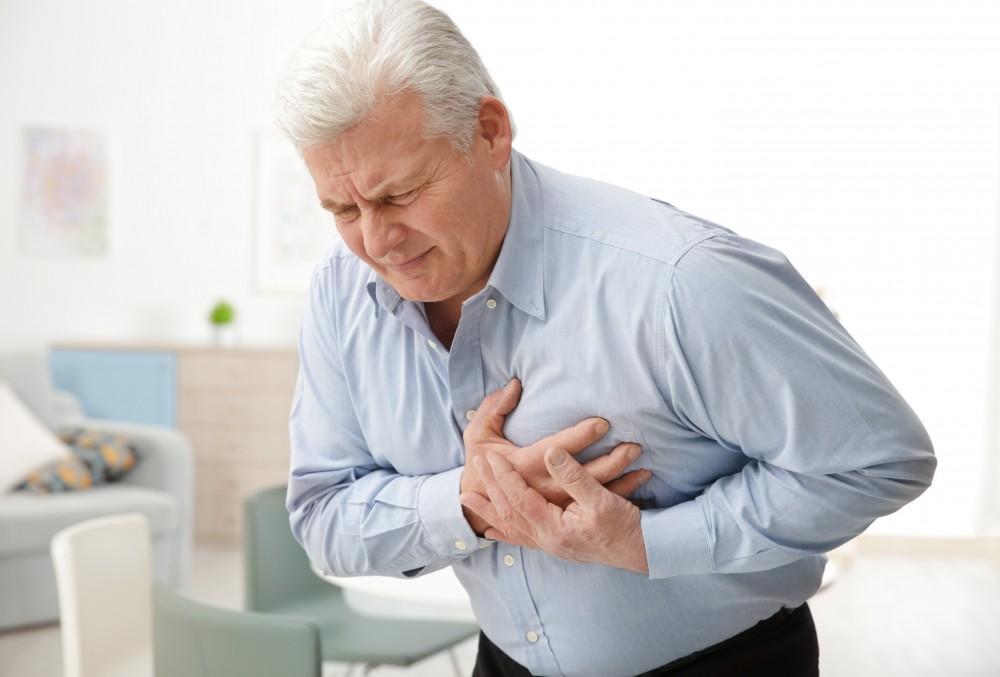
Several medical conditions and lifestyle choices can increase the risk of developing heart failure. Common causes include coronary artery disease, high blood pressure, and diabetes. Long-term alcohol or drug use, obesity, and even viral infections can also stress the heart and lead to failure.
Treatment options depend on the type and progression of heart failure but usually include a combination of medications, lifestyle changes, and in some cases, medical devices. According to Mayo Clinic, treatments aim to improve symptoms, slow the progression of the condition, and enhance quality of life.
Early detection allows for more effective treatment, which is why recognizing early signals is vital.
Uncommon Symptoms: Dry Mouth and Upper Abdominal Pain

Not all heart failure symptoms are widely known. Some less familiar signs may include persistent dry mouth or recurring upper abdominal discomfort. These symptoms can arise from reduced blood flow or medication side effects commonly associated with managing heart conditions.
For example, patients taking diuretics to reduce fluid retention often experience dehydration, which can result in dry mouth. Similarly, congestion of blood in the digestive system due to poor heart function might lead to bloating or pain in the upper abdomen.
If you're managing heart disease already and begin noticing new symptoms like dry mouth or abdominal pressure, it’s worth discussing them with your healthcare provider. These signs might seem minor but could signal changes in your heart health.
Heart failure symptoms can be subtle but meaningful. Identifying early warning signs like fatigue, shortness of breath, or even dry mouth can lead you to take timely action. Managing heart health is a lifelong commitment, but resources and treatments are available to help. Consider exploring your options further or talking to a healthcare provider to ensure you're on the right path to protecting your heart health.