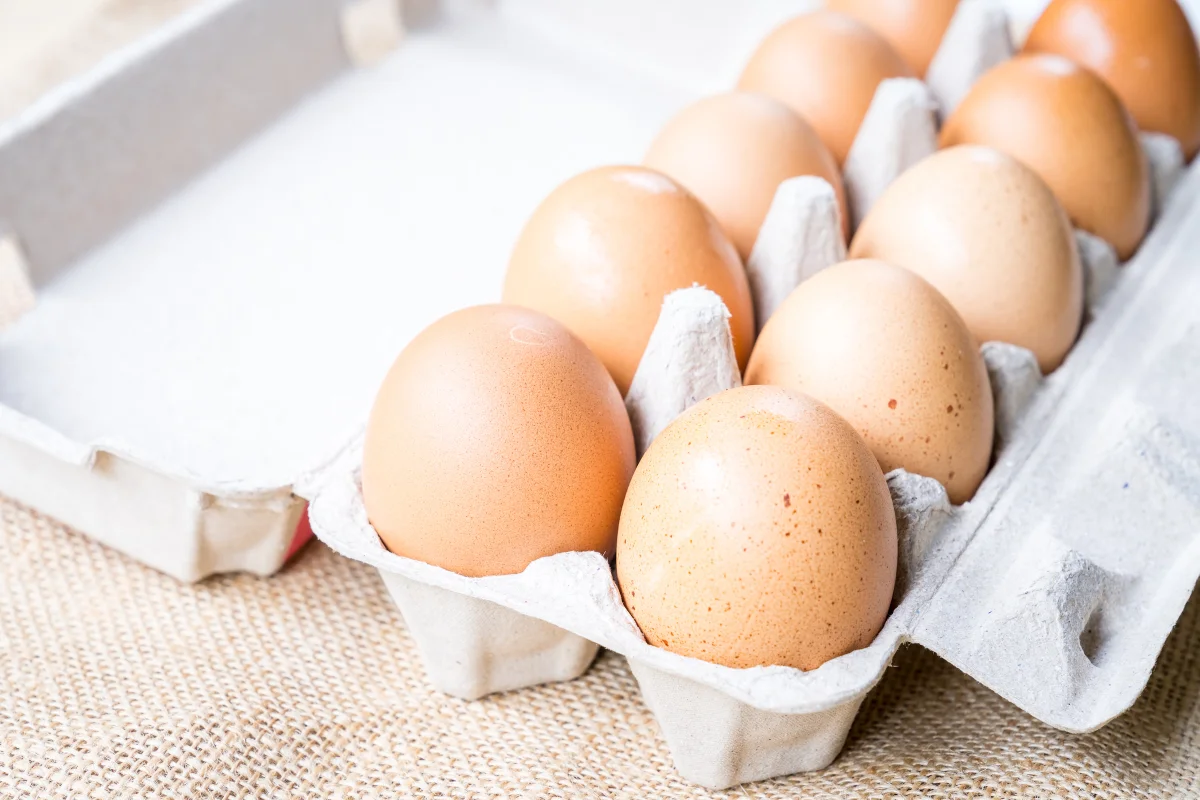
If you've been following food safety headlines, you've likely heard about the wave of egg recalls that swept across the United States in 2025 — and the pattern has continued into 2026. For health-conscious consumers who rely on eggs as a protein-packed staple, these recalls are more than just news; they're a stark reminder that even the most nutritious foods can carry serious risks when food safety breaks down.
The largest of these recalls came from the August Egg Company, which voluntarily recalled 1.7 million dozen brown cage-free and brown certified organic eggs on June 6, 2025 — that's over 20 million individual eggs. The Centers for Disease Control and Prevention (CDC) ultimately linked the outbreak to 134 confirmed Salmonella infections across 10 states, resulting in 38 hospitalizations and tragically, one death.
But this wasn't an isolated incident. The Scientific American reported that this was just the first of three major Salmonella-related egg recalls in 2025, with Country Eggs LLC issuing another recall in August and Black Sheep Egg Company pulling over 6 million eggs from shelves in October. Together, these recalls paint a troubling picture of vulnerabilities in the egg supply chain — and underscore why consumers need to stay vigilant about what's in their refrigerators.
Which Eggs Were Affected? The Brands and States to Know
The August Egg Company recall was massive in scope, spanning 29 different egg products sold under at least nine brand names. The recalled eggs carried plant codes P-6562 or CA-5330 and had sell-by dates ranging from March 4, 2025, to June 19, 2025. They were distributed between February 3 and May 15, 2025, across California, Washington, Nevada, Arizona, Wyoming, New Mexico, Nebraska, Illinois, and Indiana.
If you shop at major retailers, these brand names likely look familiar: Clover Organic, First Street, Nulaid, O Organics, Marketside, Raley's, Simple Truth, Sun Harvest, and Sunnyside. These products were sold at Walmart, Save Mart, FoodMaxx, Lucky, Smart & Final, Safeway, Raley's, Food 4 Less, and Ralphs locations. The recall specifically targeted brown cage-free and brown certified organic egg varieties — the very types of eggs health-conscious shoppers are most likely to reach for.

Timeline: How the 2025 Egg Recalls Unfolded
The egg recall crisis didn't happen overnight. Here's how the situation developed across the year:
February 3 – May 15, 2025: August Egg Company distributes recalled eggs to retailers across nine states. Consumers purchase these eggs unaware of the contamination risk.
June 6, 2025: August Egg Company issues a voluntary recall of 1.7 million dozen eggs. The CDC simultaneously warns the public, reporting at least 79 illnesses and 21 hospitalizations at that time. "August Egg Company's internal food safety team also is conducting its own stringent review to identify what measures can be established to prevent this situation from recurring," the company stated.
July 10, 2025: The CDC closes its investigation with final numbers: 134 cases, 38 hospitalizations, and 1 death across 10 states. The recalled eggs are officially past their shelf life and no longer available for sale.
August 2025: Country Eggs, LLC issues a separate recall for large, brown, cage-free eggs — the second major egg recall of the year.
October 2025: Black Sheep Egg Company recalls over 6 million eggs due to multiple Salmonella strains detected at a processing facility. The recall expanded to include the Kenz Henz brand, which had received eggs from Black Sheep.
Why Salmonella in Eggs Is a Serious Health Concern
For anyone committed to clean eating and fitness, understanding the real danger of Salmonella isn't just about avoiding a bad meal — it's about protecting your body from an infection that can derail your health for days or even weeks. Salmonella Enteritidis, the strain most commonly associated with eggs, causes an illness called salmonellosis that hits hard and fast.
Symptoms typically appear 6 hours to 6 days after consuming contaminated food and include diarrhea, fever, severe vomiting, abdominal cramps, and dehydration. While most healthy adults recover within 4 to 7 days without medical intervention, the infection can be far more serious — even life-threatening — for young children, older adults, pregnant women, and people with compromised immune systems. The CDC reports that some patients in the 2025 outbreak experienced infections severe enough to require hospitalization.
What makes eggs particularly tricky is that contamination isn't visible. An egg contaminated with Salmonella looks, smells, and tastes completely normal. The bacteria can exist both on the eggshell (from contact with contaminated feces) and inside the egg itself (when the hen's reproductive tract is infected). This is why proper cooking is non-negotiable: the FDA and CDC both emphasize that eggs should be cooked until both the yolk and white are firm, and egg dishes should reach an internal temperature of 160°F (71°C) to ensure any bacteria are killed.
How to Protect Yourself: Essential Food Safety Tips
With multiple recalls in a single year, it's clear that relying solely on the supply chain isn't enough. Here are evidence-backed strategies to keep your kitchen safe:
Check your eggs right now. If you have brown cage-free or organic eggs purchased in early-to-mid 2025, verify the brand and plant code. While these specific eggs are now past their shelf life, the lesson remains: always check recall notices and know what's in your fridge.
Cook eggs thoroughly. Whether you're scrambling, frying, or poaching, make sure both the yolk and white are firm. For dishes like frittatas, quiches, and casseroles, use a food thermometer to confirm an internal temperature of 160°F. If you enjoy sunny-side-up or runny yolks, be aware that this increases your Salmonella risk — and consider using pasteurized eggs instead.
Practice rigorous kitchen hygiene. Wash your hands with soap and warm water for at least 20 seconds before and after handling raw eggs. Clean countertops, cutting boards, and utensils with hot, soapy water after they come into contact with raw eggs. Never let raw eggs or their shells touch other foods, especially items you'll eat raw like salad greens.
Store eggs properly. Keep eggs refrigerated at 40°F (4°C) or below at all times. Don't leave egg dishes at room temperature for more than two hours — or one hour if the temperature is above 90°F. Discard any eggs with cracked or damaged shells, as bacteria can enter through these openings.
Know when to seek medical help. If you experience severe diarrhea (especially with blood), a fever above 102°F, persistent vomiting that prevents you from keeping liquids down, or signs of dehydration like very dry mouth, dizziness, or significantly reduced urination, contact a healthcare provider immediately.
Where Things Stand Now: Egg Recalls in 2026
The egg safety challenges haven't disappeared. In July 2026, Midwest Poultry Services voluntarily recalled nearly 1.6 million dozen white shell eggs due to potential Salmonella Enteritidis contamination — proof that the issue remains active. The FDA continues to investigate contamination sources and work with producers to strengthen safety protocols.
On a positive note, all three major 2025 egg recall investigations have been officially closed by the FDA and CDC. The recalled products are long past their expiration dates and no longer pose a risk to consumers. But the broader lesson is clear: food safety requires ongoing vigilance from both regulators and consumers.
For health-conscious individuals, the takeaway isn't to fear eggs — they remain one of the most nutrient-dense, affordable protein sources available, packed with essential amino acids, vitamins D and B12, choline, and antioxidants like lutein. Instead, the lesson is to treat food safety as a non-negotiable part of your healthy eating routine, right alongside reading nutrition labels and counting macros.
The Bottom Line: Key Points to Remember
- The August Egg Company recall affected 1.7 million dozen brown cage-free and organic eggs across 9 states, resulting in 134 illnesses, 38 hospitalizations, and 1 death.
- 2025 saw three separate Salmonella-related egg recalls — a pattern that highlights ongoing vulnerabilities in egg production and distribution.
- Salmonella contamination is invisible, odorless, and tasteless — you cannot detect it by looking at or smelling an egg.
- Cooking eggs to 160°F (until both yolk and white are firm) kills Salmonella bacteria and is the single most effective step consumers can take.
- Proper refrigeration, hand washing, and avoiding cross-contamination are essential food safety practices that protect against Salmonella and other foodborne pathogens.
- Eggs remain a nutritional powerhouse for fitness and health — the goal is to handle and cook them safely, not eliminate them from your diet.