The U.S. Food and Drug Administration has escalated a cream cheese recall to its most serious warning level, citing potential contamination with Listeria monocytogenes that could cause “serious adverse health consequences or death.” The recall, initially announced on February 20, 2026, has been upgraded to Class I status as multiple news outlets report the FDA’s heightened concern over the affected products distributed across New York City.
The Recall Details: What Products Are Affected?
According to the official FDA announcement, Made Fresh Salads, Inc. of Bay Shore, New York, is recalling assorted flavors of cream cheese because they have the potential to be contaminated with Listeria monocytogenes. The bacterium can cause serious and sometimes fatal infections in young children, frail or elderly people, pregnant women, and others with weakened immune systems.
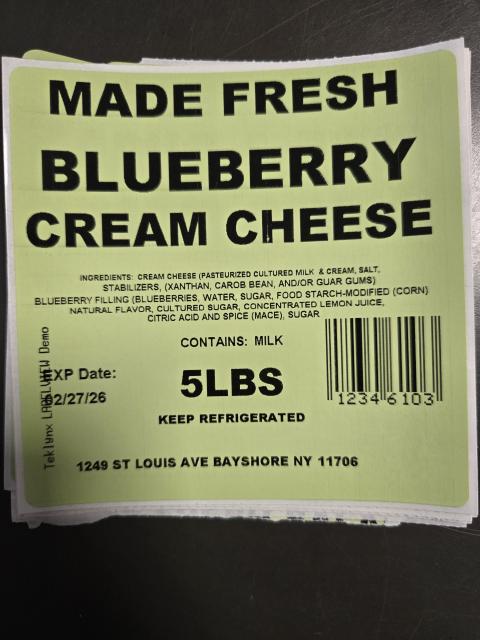
The cream cheese was distributed in Brooklyn, Queens, Bronx, and the New York City area by direct delivery to retail stores and distributors. Products are packaged in 5‑pound white plastic tubs with a Made Fresh Salads label. The 14 flavors being recalled—all with expiration dates through February 27, 2026—are:
- Apple Cinnamon Cream Cheese
- Caramel Apple Cream Cheese
- Blueberry Cream Cheese
- Garlic & Herb Cream Cheese
- Jalapeno Cream Cheese
- Jalapeno Cheddar Cream Cheese
- Lox Cream Cheese
- Scallion Cream Cheese
- Strawberry Cream Cheese
- Sundried Tomato Cream Cheese
- Vegetable Cream Cheese
- Walnut Raisin Cream Cheese
- Whipped Cream Cheese
- Tofu Whipped Spread
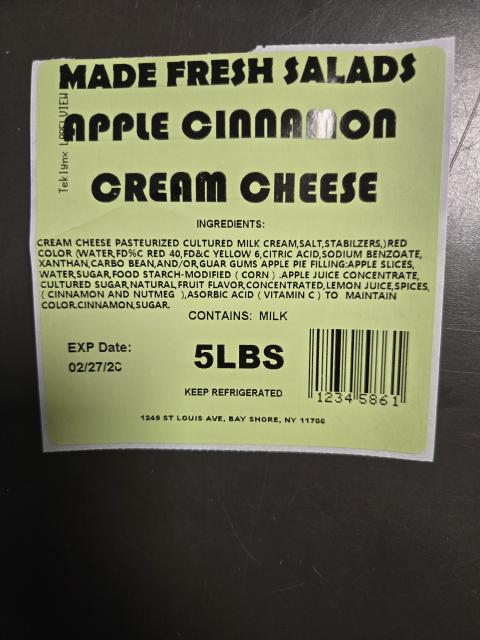
The recall was triggered by the company’s routine sampling program, which revealed that a part of the mixer used to manufacture finished products was contaminated with Listeria monocytogenes. Made Fresh Salads has ceased production using that mixer and removed it from service. No illnesses have been reported to date.
How the Cream Cheese Recall Escalated to Class I
In the days following the initial recall, the FDA reevaluated the situation and upgraded the action to a Class I recall—the agency’s highest risk level. As reported by People, AOL, and The Independent, a Class I designation means “there is a reasonable probability that the use of or exposure to a violative product will cause serious adverse health consequences or death.”
The upgrade reflects the particularly dangerous nature of Listeria for vulnerable populations. While healthy individuals may experience only short‑term symptoms such as high fever, severe headache, stiffness, nausea, abdominal pain, and diarrhea, Listeria infection can lead to miscarriages and stillbirths in pregnant women and life‑threatening systemic infections in the elderly and immunocompromised.
Why Listeria Poses Such a Serious Health Threat
Listeria monocytogenes is a hardy bacterium that can survive and even multiply under refrigeration, making it a persistent hazard in ready‑to‑eat foods like cream cheese. According to the CDC, symptoms of listeriosis can appear anywhere from a few days to several weeks after consuming contaminated food.
For pregnant women, the infection can be especially insidious because it may present as a mild flu‑like illness while posing a grave risk to the fetus. In older adults and people with weakened immune systems, Listeria can invade the bloodstream and central nervous system, leading to sepsis, meningitis, or encephalitis.
The FDA notes that although healthy people may recover without antibiotic treatment, anyone who experiences symptoms after consuming a recalled product should seek medical attention promptly. Early diagnosis and treatment are critical for preventing severe complications.
What Consumers Should Do Now
If you have purchased any of the recalled Made Fresh Salads cream cheese products, the FDA and the company urge you to:
- Immediately stop consuming the product.
- Return it to the place of purchase for a full refund.
- Check your refrigerator for any 5‑pound white tubs with the Made Fresh Salads label and the listed flavors.
- Contact the company at 1‑718‑765‑0082 (Monday–Friday, 9 a.m.–5 p.m. ET) with any questions.
Retailers and distributors have been instructed to remove the affected products from shelves and halt further distribution. Consumers who may have frozen the cream cheese should discard it, as Listeria can survive freezing temperatures.
Ongoing Investigation and Future Precautions
The FDA is continuing to monitor the recall and investigate the source of the contamination. While the company has identified and removed the contaminated mixer, additional environmental testing is likely underway to ensure no other equipment or surfaces harbor the pathogen.
This incident underscores the importance of rigorous sanitation and testing protocols in food‑processing facilities, especially for ready‑to‑eat products that receive no further kill step before consumption. For consumers, it serves as a reminder to stay informed about food recalls and to practice safe food‑handling habits, such as keeping refrigerators at or below 40 °F and promptly consuming perishable items.
Key Takeaways for Your Health
Food‑safety recalls are a critical component of public health protection. In this case, the rapid upgrade to a Class I recall demonstrates how seriously regulators treat Listeria contamination. To keep yourself and your family safe:
- Stay alert to recall notices from the FDA and other reliable sources.
- If you have a recalled product, don’t taste it—return or discard it immediately.
- Pay special attention to recalls involving ready‑to‑eat foods if you are pregnant, elderly, or immunocompromised.
- When in doubt, throw it out. The small cost of replacing a food item is far outweighed by the risk of a serious illness.
While no illnesses have been linked to this recall so far, the FDA’s decision to raise the warning level underscores the potential severity of the hazard. By acting quickly and following official guidance, consumers can help ensure this recall remains a precautionary success story rather than a public‑health tragedy.