
Managing diabetes can be challenging, especially when the cost of essential tools like glucose monitors adds financial pressure. Fortunately, several government programs now help individuals—particularly seniors—access free or subsidized blood glucose monitoring devices. In this guide, we'll explore how these programs work, who qualifies, and the different technologies available today to help manage diabetes more effectively.
What Are Government Glucose Monitor Programs?
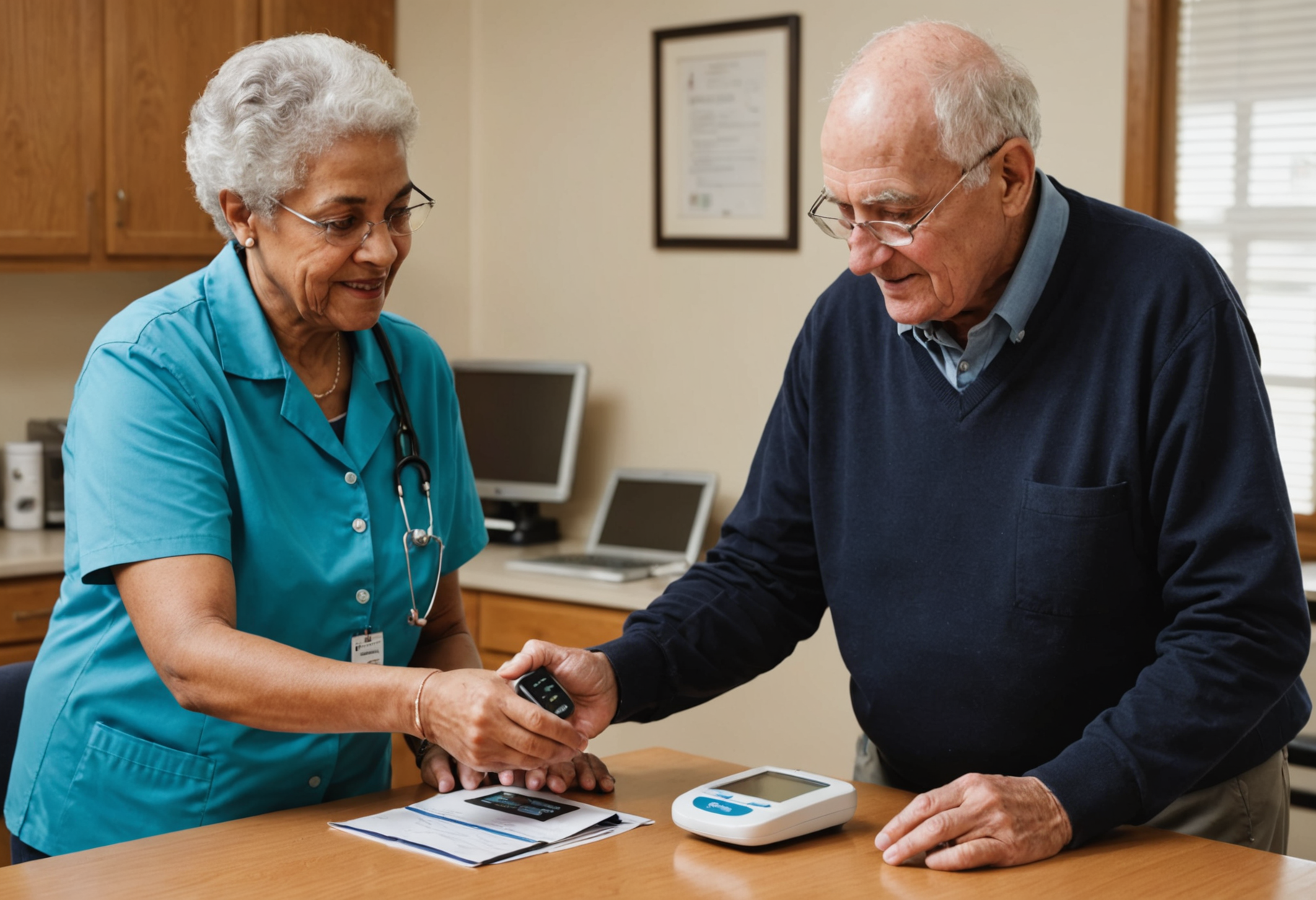
To support the growing number of Americans living with diabetes, federal and state governments have introduced programs that provide financial assistance or free devices for blood sugar monitoring. These programs often fall under Medicare, Medicaid, or community health initiatives.
For example, Medicare Part B covers blood glucose monitors, lancets, and testing strips for individuals diagnosed with diabetes. Eligible seniors may receive these items at little to no cost, depending on their plan. Additionally, some state Medicaid programs offer similar coverage to low-income individuals who meet their specific requirements.
These initiatives ensure that essential diagnostic tools—ranging from traditional glucose meters to advanced wearable technology like Continuous Blood Glucose Monitoring (CGM) systems—are more accessible to those who need them most.
Who Qualifies and How to Apply
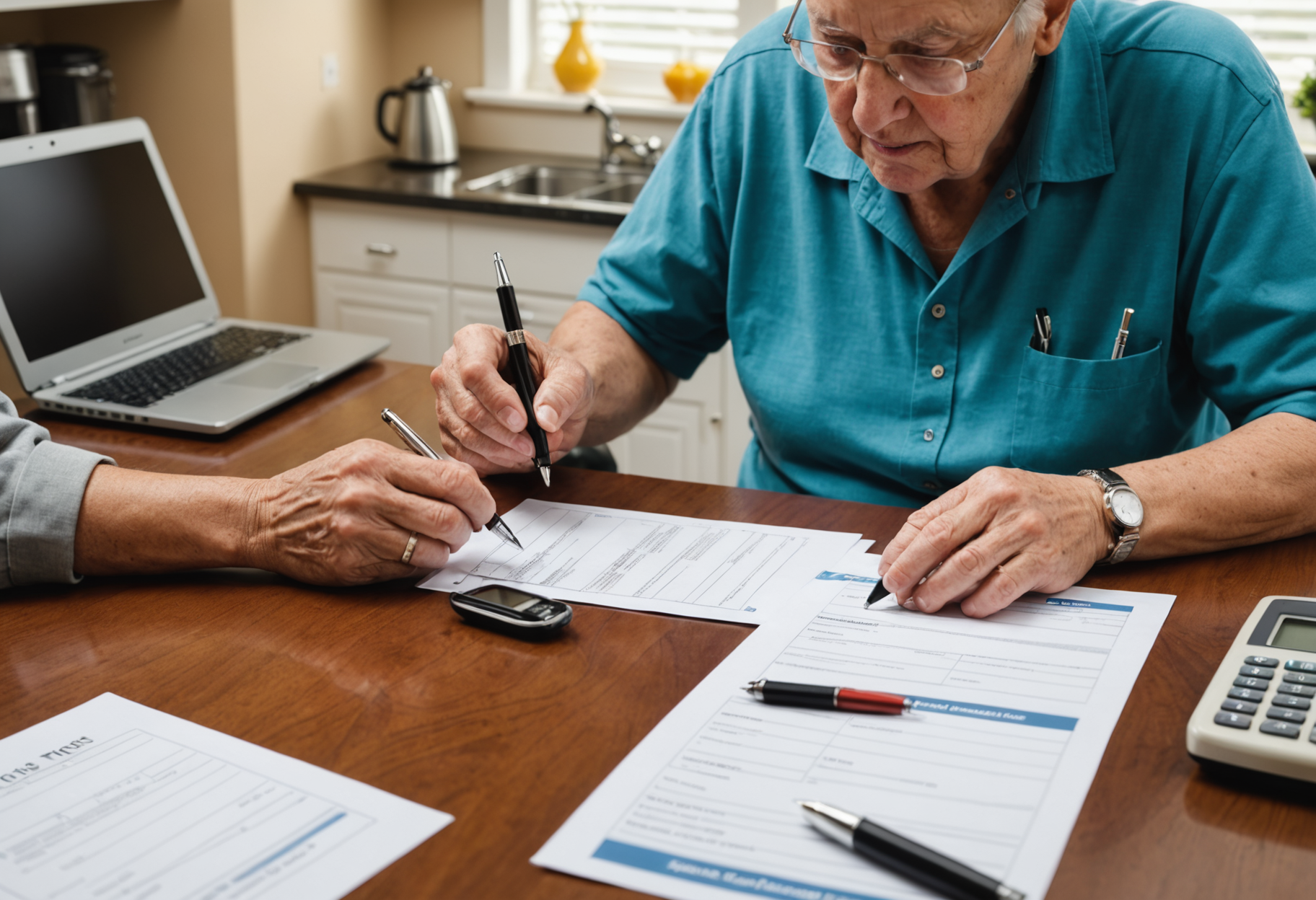
Understanding eligibility is key to accessing these benefits. Most government programs set clear criteria based on age, diabetes diagnosis, income, or insurance coverage. Seniors on Medicare are often the largest group assisted by these offerings.
To apply, patients typically need a documented diabetes diagnosis from a healthcare provider. They may also need a prescription for blood glucose testing supplies. Here are general steps to access these programs:
- Contact your primary care provider to confirm your diabetes diagnosis and need for monitoring.
- Enroll in Medicare Part B or verify your Medicaid eligibility, if applicable.
- Ask your doctor or pharmacist to guide you through the process of ordering a covered Blood Glucose Monitor or CGM device.
- Work with durable medical equipment (DME) suppliers approved by Medicare to ensure coverage.
Different Types of Glucose Monitoring Devices Available
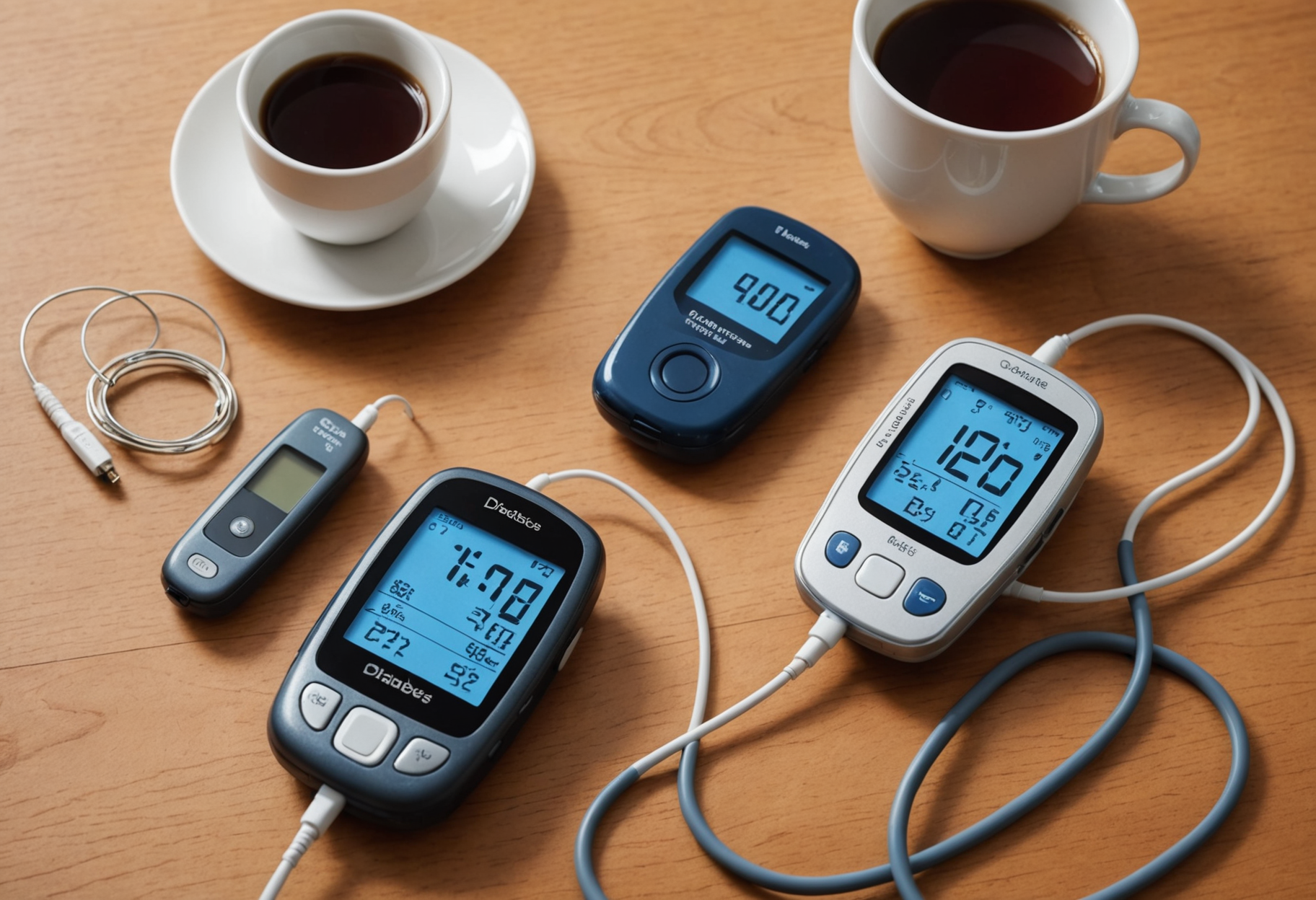
With technology rapidly advancing, patients today have more choices in blood sugar monitoring than ever before. The variety caters to different medical needs, comfort levels, and usage habits.
Some commonly available options through official programs include:
- Standard Blood Glucose Monitors: Traditional devices where users manually prick their fingers to test blood samples.
- Continuous Blood Glucose Monitoring Systems: Wearable sensors that track glucose levels in real-time, transmitting data to mobile apps or watches, making them ideal for seniors seeking less invasive management.
- Blood Sugar Monitor Watches: Smartwatch-style devices equipped with sensor technology to alert users about fluctuations without the need for frequent finger pricks.
- A Spectroscopic System for Near Infrared Glucose Measurement: An emerging non-invasive solution using light to gauge glucose through the skin, though not yet widely available in government programs.
According to the American Diabetes Association, choosing the right device depends on lifestyle, tech familiarity, and frequency of monitoring.
How These Programs Benefit Seniors

Seniors often face the dual challenge of managing chronic conditions like diabetes while maintaining limited finances. Access to free or subsidized monitoring tools can greatly improve quality of life and health outcomes.
With real-time data from CGM systems or easier access to standard monitors, seniors can better regulate diet and medication, helping to prevent serious complications such as vision loss or kidney disease. A CDC report highlights that monitoring plays a critical role in diabetes management, especially for older adults.
Additionally, remote data sharing with doctors means safer diabetes care from home. This is especially important for individuals in rural areas or those with mobility issues.
For individuals living with diabetes—especially seniors—government programs offering free or affordable glucose monitors provide vital support. From traditional meters to wearable tech, these devices can help users take control of their health while minimizing out-of-pocket costs. If you're curious about glucose monitoring support options, learning more from a healthcare provider or Medicare representative can help you make an informed, empowering choice.