
Hantavirus is making headlines following a rare outbreak aboard the Dutch cruise ship MV Hondius, where at least seven people have been infected and three have died since early April 2026. But what exactly is hantavirus, how does it spread, and what should you know to protect yourself? Here's a comprehensive guide to understanding this rare but serious virus.
What Is Hantavirus? Understanding the Virus Family
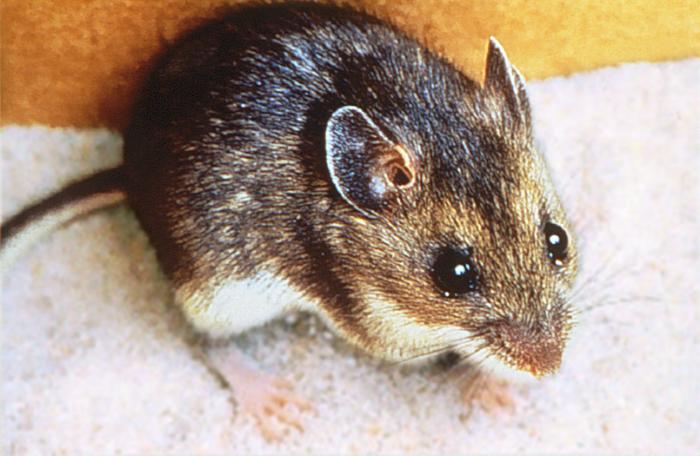
Hantavirus isn't a single virus — it's a family of related viruses found throughout the world. Their natural reservoir is rodents, including wild mice, rats, and moles. Infected rodents don't show symptoms, but the virus replicates in their cells and can occasionally spill over into humans, causing severe disease and even death.
There are two main types of hantaviruses. Old World hantaviruses, typically found in Europe and Asia, primarily affect the kidneys and cause Hemorrhagic Fever with Renal Syndrome (HFRS), with a mortality rate of 15% or less. New World hantaviruses, found in North and South America, generally attack the lungs and cause Hantavirus Pulmonary Syndrome (HPS), which is fatal in approximately 38 to 40 percent of cases. The Andes virus — the strain confirmed in the current cruise ship outbreak — is a New World hantavirus.
How Hantavirus Spreads: From Rodents to Humans
The vast majority of hantavirus infections occur when people inhale aerosolized particles from the urine, droppings, or saliva of infected rodents. Imagine a cabin infested with infected mice — sweeping the floor could shake up dust from contaminated droppings, distributing viral particles into the air where they can be inhaled. Less commonly, the virus can enter through cuts in the skin or through the eyes, nose, or mouth after contact with contaminated materials.
Importantly, most hantaviruses cannot spread between humans. The Andes virus is the only known exception, and even then, person-to-person transmission is rare and typically requires prolonged, close contact in enclosed settings. This is why health officials emphasize that the current outbreak does not pose a pandemic threat like COVID-19. "Unlike COVID-19, Andes hantavirus does not spread easily between people," the European Centre for Disease Prevention and Control (ECDC) notes in its guidance.
The Incubation Period: From Exposure to Symptoms
After exposure, symptoms can take anywhere from one to eight weeks to appear, with the average being two to three weeks. This long incubation period makes it challenging to track and contain outbreaks, as infected individuals may not know they are carrying the virus and could potentially spread it before symptoms develop — particularly with the Andes strain.
Hantavirus infection progresses through two distinct stages. Early symptoms typically include fatigue, fever, and muscle aches — especially in the large muscle groups like the thighs, hips, back, and shoulders. About half of patients also experience headaches, dizziness, chills, and abdominal problems such as nausea, vomiting, diarrhea, and abdominal pain. These early signs are easily mistaken for influenza or other viral illnesses, making diagnosis difficult in the first 72 hours.
Hantavirus Pulmonary Syndrome: A Rapidly Progressing Disease
Four to ten days after the initial phase, the late symptoms of HPS appear. Patients develop coughing and shortness of breath as the lungs fill with fluid, causing a feeling of chest tightness. This can progress rapidly to acute respiratory distress and heart failure. According to the CDC, 38 percent of people who develop respiratory symptoms from HPS may die from the disease.
In the current outbreak, the World Health Organization confirmed on May 6, 2026, that the Andes virus was responsible. As of May 8, WHO reported seven confirmed cases and three deaths among passengers on the MV Hondius, with an eighth case confirmed shortly after. Medical epidemiologist Dr. Daniel Pastula, writing for The Conversation via PBS NewsHour, explains that "symptoms start with a flu-like illness and can progress quickly to intense inflammation in the lungs that leads to lung and heart failure."
Timeline: How the MV Hondius Outbreak Unfolded
The outbreak began in April 2026 when the MV Hondius, a Dutch cruise ship, departed for what should have been a routine voyage. On April 1, 2026, the ship left port and traveled through regions where Andes virus is endemic, including Argentina and Chile. The current hypothesis from health authorities is that at least one passenger was exposed to the virus while spending time in South America before boarding, and subsequently transmitted it to others onboard.
On May 2, 2026, a cluster of passengers with severe respiratory illness was reported to the World Health Organization. By May 4, WHO confirmed the outbreak, noting seven infections and three deaths. The CDC issued a Health Alert Network notice on May 6 confirming the Andes virus strain. As of May 8-10, 2026, at least 26 passengers who disembarked in St. Helena earlier in the voyage were being tracked by health authorities across multiple countries.
Treatment: What Medical Care Looks Like
There is no specific antiviral treatment or vaccine for hantavirus infection. Care is entirely supportive and focuses on managing symptoms while the body fights the infection. Patients with HPS often require intensive care, including oxygen therapy, mechanical ventilation (intubation), and intravenous fluids to maintain blood pressure. For HFRS patients, dialysis may be needed to support kidney function. Early recognition and hospitalization significantly improve the chances of survival.
"For now, the main treatment is helping the body get through the illness," the CDC notes. "Advanced life support can improve survival in severe cases." In some regions, the antiviral drug ribavirin has shown limited effectiveness against HFRS when administered early, but no equivalent treatment exists for HPS.
Where Things Stand Now: Current Status and Risk Assessment
The MV Hondius was en route to the Canary Islands as of May 7-10, 2026, with ECDC experts and EU Health Task Force members onboard to assist. Spain deployed additional epidemiologists to coordinate the response. Passengers are being repatriated using specially arranged transport — not commercial flights — and are required to self-quarantine in their home countries for up to six weeks as a precautionary measure.
Health officials across multiple organizations — including the CDC, WHO, and ECDC — consistently emphasize that the risk to the general public remains very low. The Andes virus does not spread easily between people, and the rodent species that carries it naturally is native to South America and not found in Europe. "Even if transmission of Andes virus were to occur from passengers leaving the ship, it is unlikely that the infection will spread more widely," the ECDC states.
Prevention: How to Protect Yourself from Hantavirus
Avoiding contact with rodents and their droppings is the most effective way to prevent hantavirus infection. The CDC recommends sealing holes and gaps in homes and garages to prevent rodents from entering, placing traps to reduce infestations, and removing easy food sources that might attract rodents.
If you need to clean areas where rodents have been active, follow these critical safety steps: Do not sweep or vacuum, as this can aerosolize viral particles. Instead, ventilate the area for at least 30 minutes, wear gloves and a mask (N100 or P100 recommended), and use wet cleaning methods — spray the area with disinfectant or a bleach solution and let it soak for at least five minutes before wiping. Dispose of waste in sealed bags and wash hands thoroughly afterward.
The Bottom Line: Key Points to Remember
- Hantavirus is a family of rodent-borne viruses causing severe respiratory or kidney disease.
- Transmission is primarily through inhaling particles from rodent urine, droppings, or saliva.
- Andes virus is the only strain that can spread person-to-person, though rarely.
- Symptoms appear 1-8 weeks after exposure and progress from flu-like illness to severe respiratory distress.
- No vaccine or specific treatment exists — care is supportive and requires early hospitalization.
- Prevention focuses on rodent control and safe cleaning practices (wet methods, no sweeping).
- The current outbreak has low risk to the general public, with health authorities monitoring contacts globally.