After nearly four decades, McDonald's has resurrected one of its most beloved Happy Meal toy lines—the Changeables—sparking a wave of nostalgia among millennials and Gen X parents. But behind the colorful, transforming toys lies a serious health conversation that has been simmering for years. The fast-food giant's decision to bring back these iconic toys comes at a time when public health experts, lawmakers, and parents are increasingly scrutinizing the role of toy premiums in shaping children's eating habits and contributing to childhood obesity.
How the Changeables Comeback Unfolded: Inside McDonald's Nostalgia Marketing
On January 27, 2026, McDonald's announced the return of its Changeables toys—transformable figurines that first debuted in 1987 and quickly became some of the most sought-after Happy Meal premiums in history. The new collection features 16 characters that resemble McDonald's menu items like fries, burgers, and shakes but can be reconfigured into robots, dinosaurs, and other creatures. According to McDonald's Senior Marketing Director Guillaume Huin, the decision to revive the Changeables came after years of customer requests and represents what the company calls "the most-requested Happy Meal toy revival in history."
The timing of this nostalgic marketing push is particularly noteworthy. As McDonald's faces increasing pressure to address childhood obesity concerns and reduce plastic waste, the Changeables return represents a strategic balancing act—leveraging emotional connections from previous generations while navigating contemporary health and environmental expectations. The toys themselves have been updated with more sustainable materials as part of McDonald's broader commitment to eliminate virgin plastic from Happy Meal toys by 2025.
Timeline: How Happy Meal Toys Evolved From Simple Giveaways to Health Policy Battlegrounds
The Happy Meal debuted in 1979 with a simple premise: a child-sized meal accompanied by a small toy. What began as a marketing innovation quickly transformed into a cultural phenomenon—and eventually, a public health concern. By the 1990s, Happy Meal toys had become collectible items, with tie-ins to popular movies and television shows driving sales. However, by the early 2000s, health advocates began questioning whether these toy premiums were encouraging unhealthy eating habits among children.
In 2010, the Center for Science in the Public Interest (CSPI) threatened to sue McDonald's over its practice of pairing toys with Happy Meals, arguing that this constituted "illegal marketing to children." The following year, San Francisco became the first U.S. jurisdiction to pass legislation restricting toy giveaways to meals that met specific nutritional criteria. McDonald's responded by charging a small fee for toys separately from meals—a move that critics argued undermined the law's intent while preserving the company's marketing strategy.
The debate reached a new peak in 2012 when researchers at the University of Waterloo published a landmark study in the Canadian Journal of Public Health. Their findings revealed that children were 3.19 times more likely to choose healthier meals when toys were only offered with nutritious options. This "Happy Meal Effect" study provided scientific evidence that would later inform policy proposals in multiple cities and states.
Why Happy Meal Toys Matter: The Science Behind Toy Premiums and Children's Choices
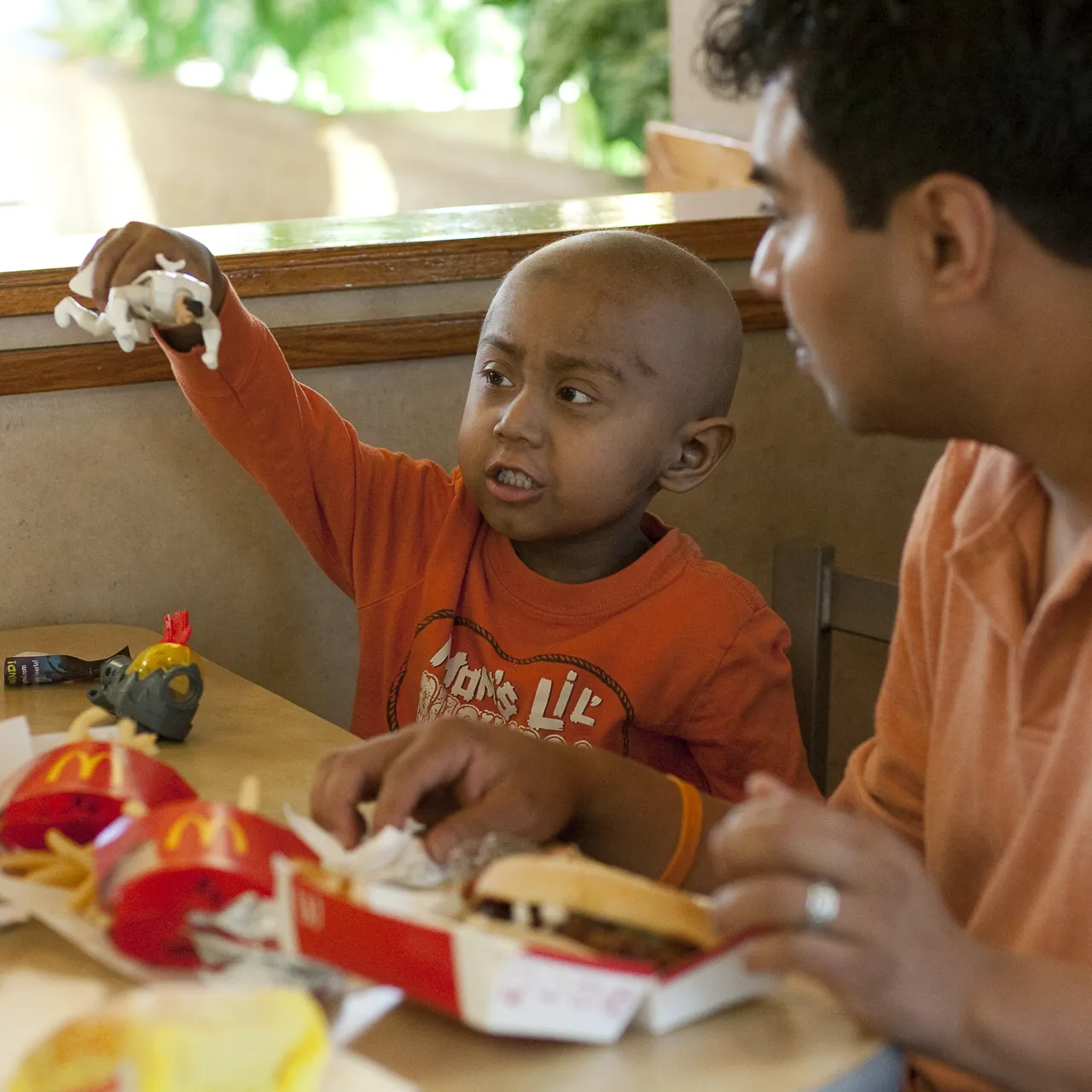
The 2012 University of Waterloo study remains one of the most comprehensive examinations of how toy premiums influence children's food choices. Researchers conducted a controlled experiment with 337 children aged 6–12, offering them four different Happy Meal options: two that met nutritional criteria and two that did not. In the control group, all meals came with toys. In the experimental group, toys were only offered with the healthier meals.
The results were striking. Not only were children significantly more likely to choose healthier options when toys were restricted to those meals, but the effect was particularly pronounced among boys. The study's authors concluded that "policies that restrict toy premiums to food that meet nutritional criteria may promote healthier eating at fast-food restaurants." This research has been cited in numerous policy debates and legal challenges regarding fast-food marketing to children.
Dr. Erin Hobin, lead author of the study, explained the implications: "Toy premiums represent a powerful form of food marketing directed at children. When used strategically, they can actually encourage healthier choices. But when offered indiscriminately with all meals, they become a tool that promotes less nutritious options." The study also found that the influence of toys was stronger than traditional nutritional education alone, highlighting the need for structural changes rather than simply relying on parental guidance.
Where Things Stand Now: Sustainable Toys, Legal Challenges, and Legislative Proposals
Today's Happy Meal landscape represents a complex intersection of nostalgia marketing, environmental concerns, and public health advocacy. On the sustainability front, McDonald's has committed to making all Happy Meal toys sustainable by the end of 2025, with a goal of reducing virgin fossil fuel-based plastic in toys by 90%. The company reported that between 2018 and 2024, it already reduced such plastic by 80.26%, with approximately 89.6% of restaurants in markets with advanced recycling systems now offering more sustainable toy options.
Legally, McDonald's continues to face challenges regarding its marketing practices. In Quebec, Canada, a class-action lawsuit alleges that the company violates consumer protection laws by using toys to market directly to children. Similar cases have emerged in California and other jurisdictions, though many have been dismissed. The legal landscape remains fragmented, with different regions adopting varying approaches to regulating toy premiums.
Perhaps the most significant development comes from New York City, where Council Member Ben Kallos has repeatedly introduced a "Healthy Happy Meals" bill since 2011. The proposed legislation would require restaurants offering toys with children's meals to meet specific nutritional standards: 500 calories or less, fewer than 35% of calories from fat, limited added sugars and sodium, and inclusion of fruits, vegetables, or whole grains. Research from NYU Langone Medical Center estimates that such policies could reduce calorie consumption from kids' meals by approximately 10%—a significant impact in the fight against childhood obesity.
What Happens Next: The Future of Happy Meals and Children's Nutrition
As McDonald's celebrates the return of its Changeables toys, the company faces mounting pressure to align its marketing practices with public health goals. Several trends suggest where the Happy Meal experience might be headed. First, the push for sustainability will likely continue, with more toys made from recycled materials, plant-based plastics, and even educational components like books and puzzles that promote learning rather than just play.
Second, legislative efforts to regulate toy premiums are gaining momentum. While earlier attempts in California faced corporate workarounds, newer proposals incorporate more comprehensive nutritional standards and enforcement mechanisms. Public health advocates are increasingly advocating for federal regulations that would standardize these requirements across the country, eliminating the patchwork of local laws that currently exists.
Finally, consumer preferences are shifting. Parents today are more informed about nutrition and marketing tactics than previous generations. This heightened awareness, combined with growing concerns about childhood obesity and environmental sustainability, creates both challenges and opportunities for fast-food companies. The companies that successfully balance nostalgic appeal with contemporary health and environmental values will likely emerge as leaders in the next era of children's food marketing.
The Bottom Line: Key Points for Health-Conscious Parents
As the Happy Meal toy debate continues, several key takeaways emerge for parents and health advocates. First, toy premiums significantly influence children's food choices—a fact backed by substantial research. Second, policies that restrict toys to healthier meals can effectively promote better nutritional choices without eliminating the fun element that children enjoy. Third, sustainability concerns are transforming the toy industry, with more eco-friendly options becoming available. Finally, parental awareness and advocacy remain crucial drivers of change, as demonstrated by the persistent legislative efforts across multiple jurisdictions.
While the return of Changeables toys offers a nostalgic trip for parents who grew up in the 1980s and 1990s, it also serves as a reminder of the ongoing conversation about children's health, marketing ethics, and corporate responsibility. As McDonald's and other fast-food companies navigate these complex issues, the ultimate goal remains clear: creating meals and experiences that bring joy to children while supporting their long-term health and well-being.