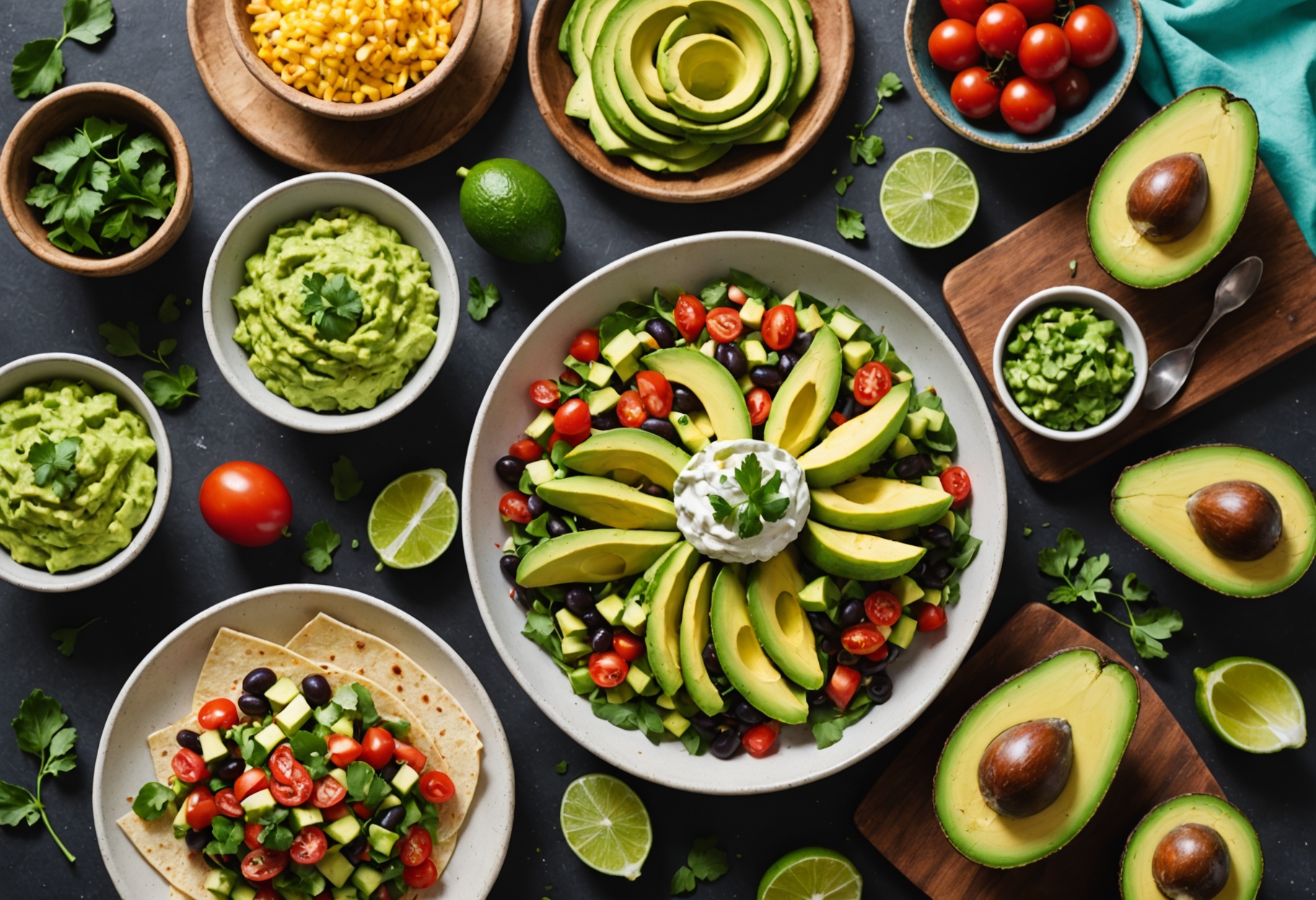
Cinco de Mayo is much more than just an excuse for tacos and margaritas. Celebrated annually on May 5, this holiday commemorates the Mexican army's historic victory over French forces at the Battle of Puebla in 1862 — a David-and-Goliath moment that resonates deeply in Mexican culture. But in recent years, the holiday has become a major celebration in the United States, often centered around food and drink that can quickly derail even the healthiest eating plans. The good news? With a few smart swaps and nutrition-conscious choices, you can enjoy a vibrant, delicious Cinco de Mayo feast that supports your health goals rather than sabotaging them.
What Cinco de Mayo Really Celebrates
Before diving into the menu, it's worth understanding the holiday's true significance. Cinco de Mayo — Spanish for "the fifth of May" — marks the Mexican army's victory over the French at the Battle of Puebla in 1862. Despite being outnumbered, Mexican forces led by General Ignacio Zaragoza triumphed against Napoleon III's well-equipped army. Contrary to popular belief, it is not Mexico's Independence Day (that's September 16). In Mexico, the holiday is observed primarily in the state of Puebla with parades, speeches, and battle reenactments. In the United States, however, it has evolved into a broader celebration of Mexican culture and heritage — complete with mariachi music, traditional dancing, and, of course, an abundance of Mexican cuisine.
5 Overlooked Health Benefits of Mexican Cuisine
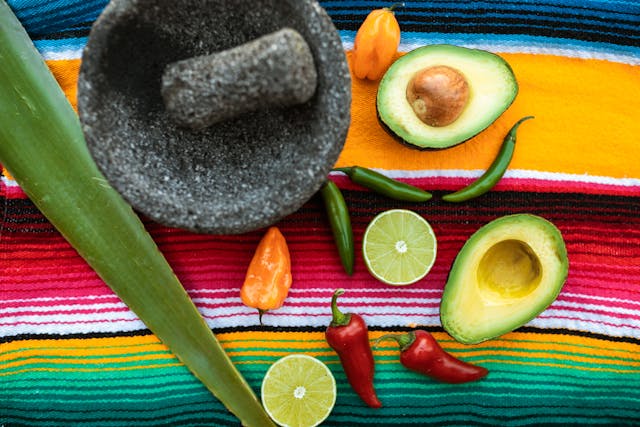
Mexican food often gets a bad rap for being heavy on cheese, sour cream, and fried ingredients. But authentic Mexican cuisine is built on a foundation of incredibly nutritious ingredients. According to recent research highlighted by MDLinx, traditional Mexican dishes pack serious health benefits. Legumes like black beans and pinto beans are rich in soluble fiber, which supports healthy blood sugar regulation and can lower LDL cholesterol. Corn — the basis for tortillas and tamales — is a whole grain rich in phenolic compounds linked to reduced risk of heart disease and type 2 diabetes. Chili peppers provide capsaicin, a compound that may boost metabolism and support cardiometabolic health. And then there's the avocado — perhaps the star ingredient of any Cinco de Mayo spread.
The Avocado Advantage: Heart Health on a Plate
Did you know Americans consume an estimated 81 million pounds of avocados on Cinco de Mayo alone — second only to Super Bowl Sunday? There's good reason for that enthusiasm. Registered Dietitian Mary Hyer, writing for the AACVPR, breaks down the impressive health profile of this beloved fruit. A single serving (one-third of an avocado) contains nearly 5 grams of oleic acid — the same heart-healthy monounsaturated fat found in olive oil. Research published in the Journal of the American Heart Association found that eating more than two servings of avocado per week is associated with a 16% lower risk of cardiovascular disease and a 21% lower risk of heart attack. Avocados are also packed with potassium — more per gram than bananas — which helps regulate blood pressure, support muscle function, and aid post-workout recovery. Their high fiber content acts as a prebiotic, feeding beneficial gut bacteria that produce anti-inflammatory compounds. And despite being calorie-dense, studies show that regular avocado consumption is actually correlated with lower BMI and better weight management when part of a balanced diet.
Smart Swaps for a Lighter Cinco de Mayo Feast
According to Kristal Twardy, RD, of Franciscan Health, transforming your Cinco de Mayo spread doesn't mean sacrificing flavor. Start with tortillas: choose whole-grain corn or whole-wheat flour versions for more fiber, vitamins, and minerals. For protein, opt for grilled chicken, shrimp, or lean cuts like flank steak and sirloin — or go plant-based with fiber-rich black beans. Instead of piling on sour cream and cheese, embrace avocado or guacamole, which provides healthy monounsaturated fats without the saturated fat of dairy. Make your own pico de gallo with fresh tomatoes, onions, jalapeños, cilantro, and lime juice to control sodium levels. And those refried beans? Swap them for whole black beans cooked without lard for a side dish packed with fiber and plant protein.
Margarita Makeover: Saving Hundreds of Calories
Perhaps the biggest calorie culprit on Cinco de Mayo is the margarita. A single 8-ounce frozen margarita can contain around 300 calories and 35 grams of sugar — and many restaurant servings are 12, 18, or even 32 ounces. A 32-ounce margarita could pack over 1,000 calories and 154 grams of sugar. The fix? Order a "skinny" margarita when dining out, or make your own at home using fresh lime juice, a splash of tequila, and sparkling water instead of sugary premix. For an alcohol-free option, try sparkling water with fresh lime, raspberries, and a festive glass — all the ceremony with none of the sugar crash.
Plant-Powered Fiesta: Going Meatless on May 5
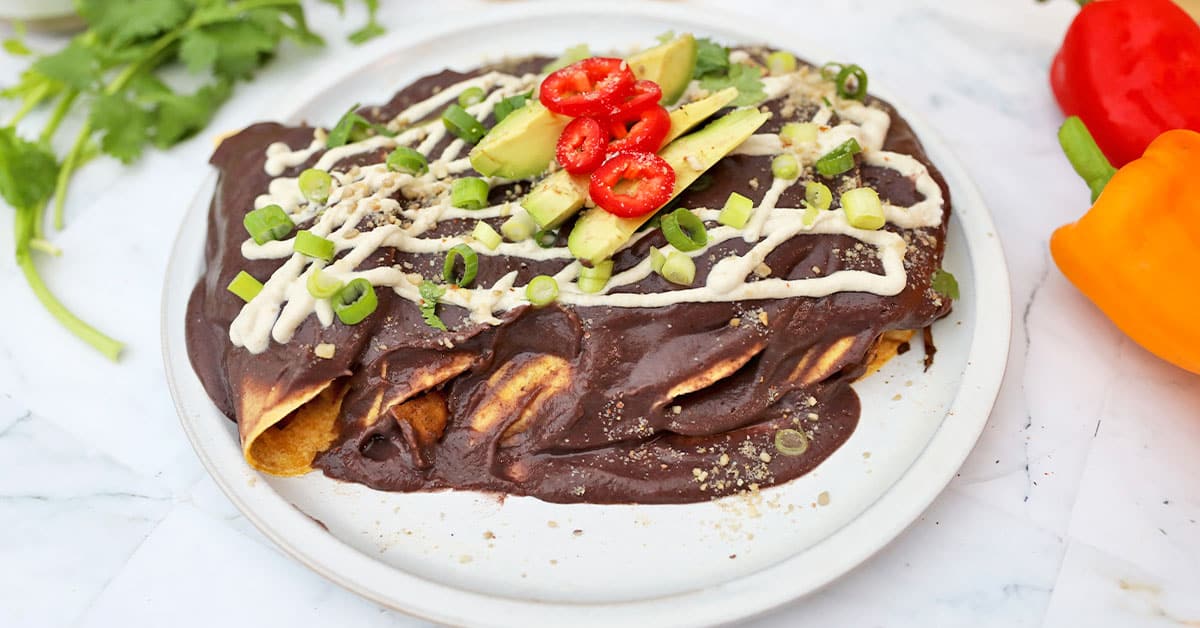
For those looking to embrace a plant-based approach, the Center for Nutrition Studies offers 16 healthy plant-based Cinco de Mayo recipes that prove you don't need meat or dairy to create a memorable meal. Think vegetable-stuffed tamales, lentil-based tacos, jackfruit carnitas, and black bean quesadillas loaded with sautéed peppers and onions. These dishes are naturally low in saturated fat and cholesterol-free while being high in fiber, antioxidants, and phytonutrients. The key is to load up on vegetables — tomatoes, corn, peppers, onions, and avocados — and use herbs and spices like cumin, chili powder, and cilantro to build deep, satisfying flavor without excess salt or fat.
4 Dietitian-Approved Tips for a Balanced Celebration
Whether you're hosting a party or heading to one, these expert-backed strategies can help you enjoy the celebration without overdoing it. First, practice moderation — savor your favorite foods mindfully rather than piling your plate high. Second, get a workout in earlier in the day to offset indulgences and boost your metabolism. Third, fill half your plate with vegetables first — load up on salsa, grilled veggies, and fresh salads before reaching for heavier options. Finally, stay hydrated with water between festive drinks to reduce overall calorie intake and prevent overeating. As registered dietitians from the Healthy Family Project emphasize, Cinco de Mayo is a time for community, culture, and celebration — not food guilt.
The Bottom Line: Celebrate Without Compromise
Cinco de Mayo is a wonderful opportunity to honor Mexican culture, history, and cuisine — and doing so doesn't have to mean abandoning your health goals. By choosing whole ingredients, swapping heavy toppings for nutrient-dense alternatives, and being mindful of portions, you can create a fiesta that's as good for your body as it is for your spirit. Focus on the vibrant flavors that make Mexican cuisine so beloved: the heat of chili peppers, the creaminess of avocado, the brightness of fresh lime and cilantro. Your taste buds — and your heart — will thank you.
- Cinco de Mayo commemorates the Battle of Puebla (1862), not Mexican Independence Day
- Avocados are rich in heart-healthy monounsaturated fats, potassium, and prebiotic fiber
- Swap sour cream for guacamole, refined tortillas for whole-grain, and frozen margaritas for skinny versions
- Beans, corn, and chili peppers offer impressive health benefits including better glycemic control and heart health
- Plant-based options like black bean tacos and vegetable tamales are naturally low in saturated fat and high in fiber
- Exercise earlier in the day, fill half your plate with veggies, and stay hydrated between drinks