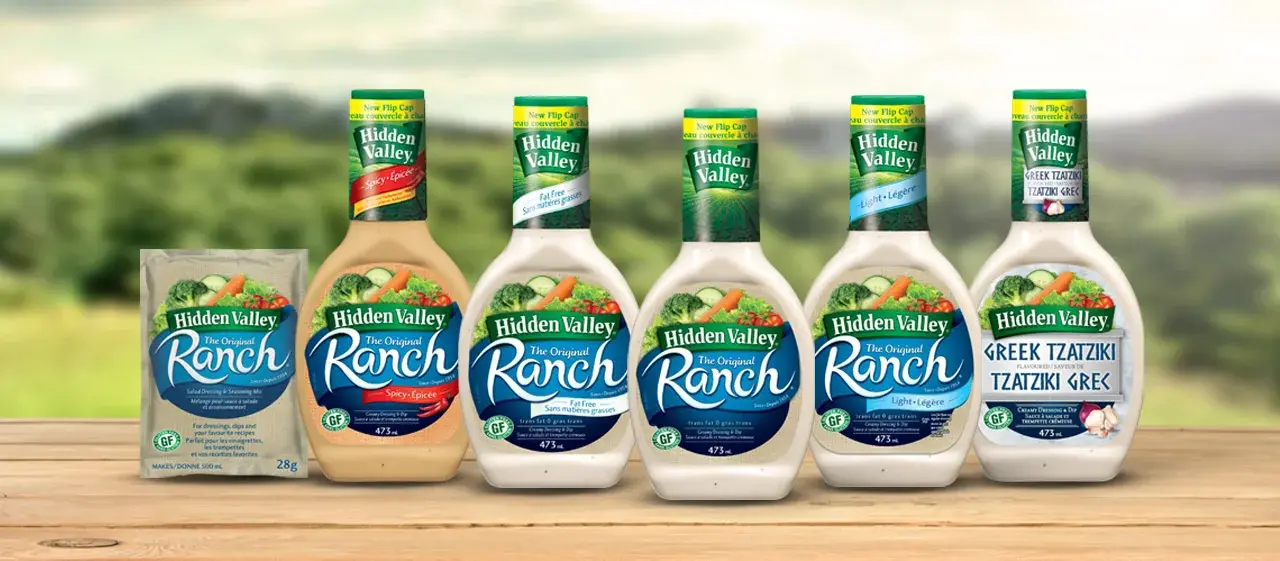
Thousands of cases of popular salad dressings including Hidden Valley Ranch have been recalled across 27 states after the FDA discovered "black plastic planting material" in the products. The recall, initiated by California-based Ventura Foods on November 6 and classified as a Class II recall on December 4, affects more than 3,500 cases of dressings sold at major retailers like Costco and Publix. For health-conscious consumers who prioritize food safety and clean eating, this development serves as a critical reminder to remain vigilant about what's in your refrigerator.
How the Plastic Contamination Unfolded: Inside the Salad Dressing Recall
The contamination originated in granulated onion ingredients supplied to Ventura Foods, where black plastic planting material—likely from agricultural equipment—found its way into the production process. According to FDA reports, the plastic was discovered during quality control checks, prompting immediate action from the manufacturer. The affected dressings include some of the most popular brands in food service and deli operations across the country.
"The safety of our products is and will always be our top priority," Ventura Foods stated in response to the recall. "Upon receiving notice of the supplier's recall, we acted with urgency to remove all potentially impacted product from the marketplace." The company emphasized that they've been working with retailers, distributors, and food service partners to ensure the contaminated products are removed from shelves and kitchens nationwide.
Timeline: How the Salad Dressing Recall Developed Over Six Weeks
The sequence of events reveals both the complexity of modern food supply chains and the regulatory mechanisms designed to protect consumers. On November 6, Ventura Foods initiated what they term a "sub-recall" after one of their ingredient suppliers voluntarily recalled a batch of onion granules. The contaminated ingredient had already been incorporated into various dressings, setting in motion a chain of notifications and withdrawals.
By November 7, Costco had notified its members about the recall of Caesar salad and chicken sandwiches containing the affected dressing at their food courts and service delis. The FDA continued its investigation throughout November, eventually classifying the recall as Class II on December 4—a designation indicating that while the products may cause temporary adverse health effects, the probability of serious consequences remains remote. Throughout December, additional retailers including Publix removed affected products from their deli sections as the recall expanded to cover 27 states.
Why This Recall Matters: Understanding the Health Risks of Plastic Contamination
For fitness enthusiasts and health-conscious eaters, this recall highlights important food safety considerations. While the FDA classifies this as a Class II recall—meaning serious health consequences are unlikely—plastic contamination still poses several risks. Ingesting plastic fragments can potentially cause choking, gastrointestinal irritation, or injury to the digestive tract. Small plastic particles might also introduce harmful chemicals into the body, though the specific risks depend on the type of plastic and individual sensitivity.
Food safety experts emphasize that while isolated incidents like this are concerning, they also demonstrate the effectiveness of modern monitoring systems. "Recalls are actually a sign that the system is working," explains Dr. Sarah Chen, a food safety specialist at the University of California. "The alternative—undetected contamination reaching consumers—is far more dangerous. What matters is how quickly and thoroughly companies respond when issues are identified."
For those focused on healthy eating, this incident serves as a reminder to practice basic food safety: always check recall notices, particularly for prepared foods and dressings that might contain multiple ingredients from different suppliers. Consider making your own salad dressings using simple, whole ingredients—not only does this give you complete control over what you're consuming, but homemade dressings often contain fewer preservatives and additives than commercial products.
Where Things Stand Now: Latest on the Salad Dressing Recall
As of mid-December, the recall remains active with retailers continuing to remove affected products. According to the FDA enforcement report, the recalled dressings were distributed to seven retail customers operating across 42 locations in 27 states: Arkansas, Colorado, Florida, Georgia, Illinois, Indiana, Kansas, Kentucky, Louisiana, Maryland, Michigan, Minnesota, Missouri, North Carolina, North Dakota, Nebraska, New Hampshire, New Jersey, Ohio, Oklahoma, Oregon, Pennsylvania, South Carolina, Texas, Virginia, Washington, and Wisconsin. One customer in Costa Rica also received affected products.
Hidden Valley Ranch has clarified that their consumer retail products—the bottles you find on grocery store shelves—are not affected by this recall. The contaminated product was a food-service sized one-gallon container of Hidden Valley Original Buttermilk Ranch Dressing & Dip that was intended solely for commercial use and, according to the company, was never actually distributed to food service establishments.
Costco has taken additional steps by recalling prepared items that used the affected dressing: their Caesar Salad (item 19927) and Chicken Sandwich with Caesar Salad (item 11444) with sell-by dates between October 17 and November 9, 2025. These items have already expired and should no longer be in circulation, but the recall serves as an important notification for consumers who may have purchased them earlier.
What Happens Next: The Road Ahead for Food Safety and Recalls
The FDA will continue monitoring the recall's effectiveness through early 2025, with regular updates expected on their enforcement report website. Consumers can expect to see increased scrutiny on agricultural supply chains, particularly regarding foreign material contamination in processed ingredients. This incident may prompt more rigorous screening processes for granulated and powdered ingredients, which are particularly susceptible to contamination during harvesting and processing.
For health-focused consumers, this recall underscores the importance of staying informed about food safety issues. Consider subscribing to FDA recall alerts or using apps that track food recalls based on products you've purchased. When eating out or purchasing prepared foods from delis, don't hesitate to ask about ingredient sources—especially for dressings and sauces that might come from large-scale manufacturers.
As the food industry continues to grapple with complex supply chains, transparency and rapid response will remain critical. This recall, while concerning, demonstrates that when contamination is detected, multiple layers of the food safety system can work together to protect consumers before widespread harm occurs.
The Bottom Line: Key Points to Remember About the Salad Dressing Recall
- Check your refrigerator: If you have any 1-gallon containers of salad dressing from Costco, Publix, or food service suppliers, verify they're not part of the recall using SKU codes and lot numbers provided by the FDA.
- Consumer products are safe: Hidden Valley Ranch bottles sold in grocery stores are not affected—only a specific food-service product that was never distributed.
- Plastic poses health risks: While the FDA considers this a Class II (moderate risk) recall, plastic contamination can cause choking, digestive issues, or introduce harmful chemicals.
- Food safety systems work: This recall demonstrates that monitoring and response mechanisms can identify and address contamination before it causes widespread harm.
- Consider homemade alternatives: Making your own salad dressings with olive oil, vinegar, and herbs ensures you know exactly what's in your food and aligns with clean eating principles.
As we continue to prioritize health and fitness in our daily lives, staying informed about food safety remains an essential component of overall wellness. While recalls can be alarming, they also represent our food safety system in action—identifying potential issues and working to resolve them before they affect large numbers of consumers.