
Pregnancy tests detect the hormone hCG to indicate early pregnancy, and understanding how and when to use them can help you get reliable results. Read on to discover how tests work, the differences between kits, and practical tips for accurate testing.
How Pregnancy Tests Work
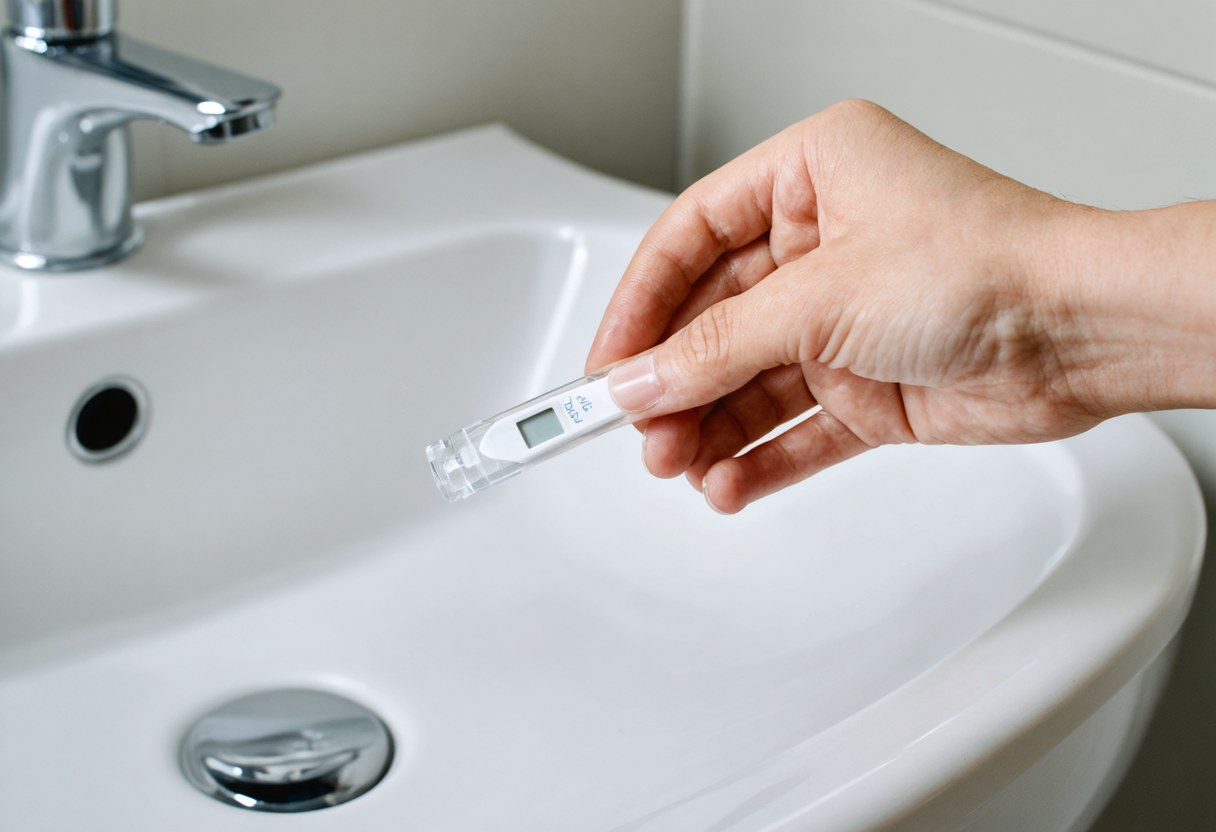
Pregnancy tests measure the presence of human chorionic gonadotropin (hCG), a hormone produced after implantation. Most home pregnancy tests detect hCG in urine; digital tests interpret the result and display a clear word or symbol, while traditional strip tests show lines. According to the CDC, hCG levels increase rapidly in early pregnancy, which is why timing matters. However, test sensitivity varies, so some kits can detect lower hCG concentrations sooner than others.
Types Of Tests Available
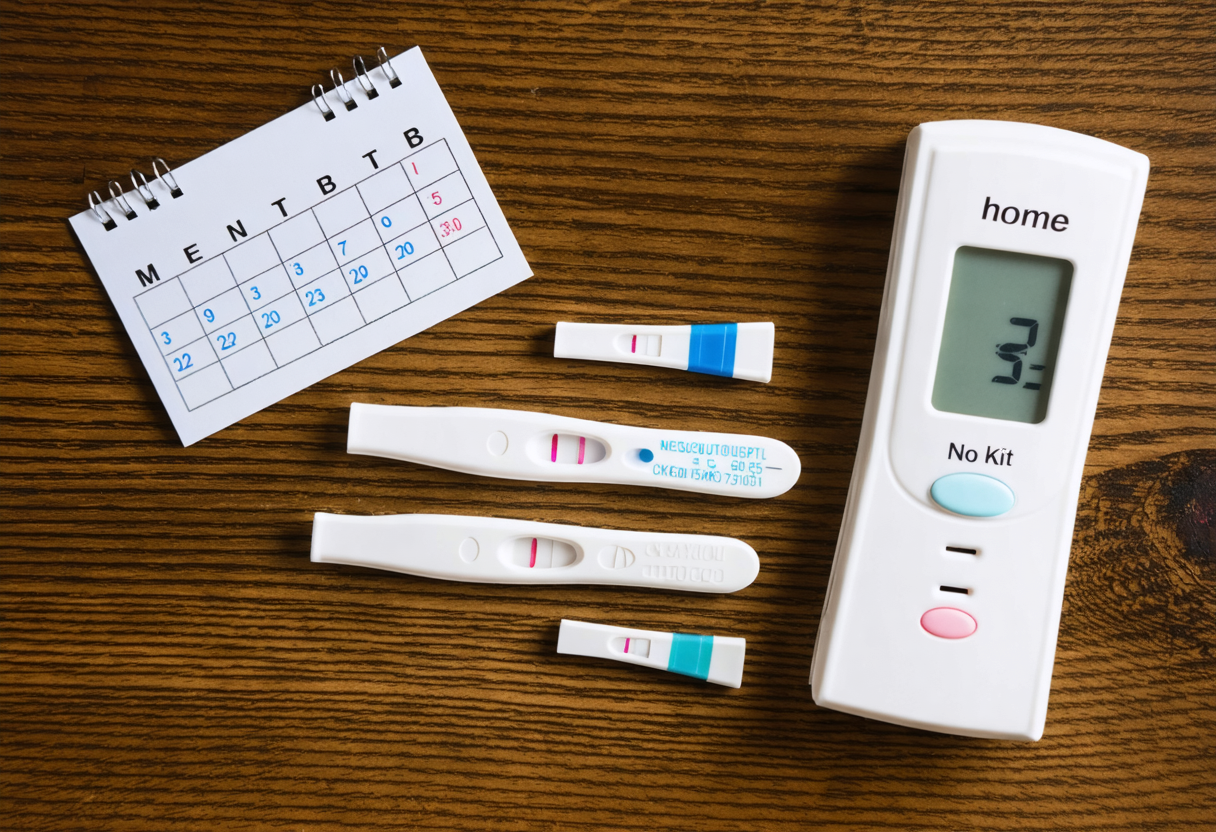
There are several types of pregnancy tests: urine strip tests, midstream (stick) tests, and digital tests that translate results into words. Each type offers trade-offs between cost, ease of reading, and sensitivity. For clinical confirmation, blood tests conducted by a provider measure hCG more precisely; the Mayo Clinic explains that blood tests can detect pregnancy earlier than most urine tests. Over-the-counter options are widely available, so you can often find a reliable kit by searching for a local retailer or 'pregnancy test near me.'
When To Take A Test
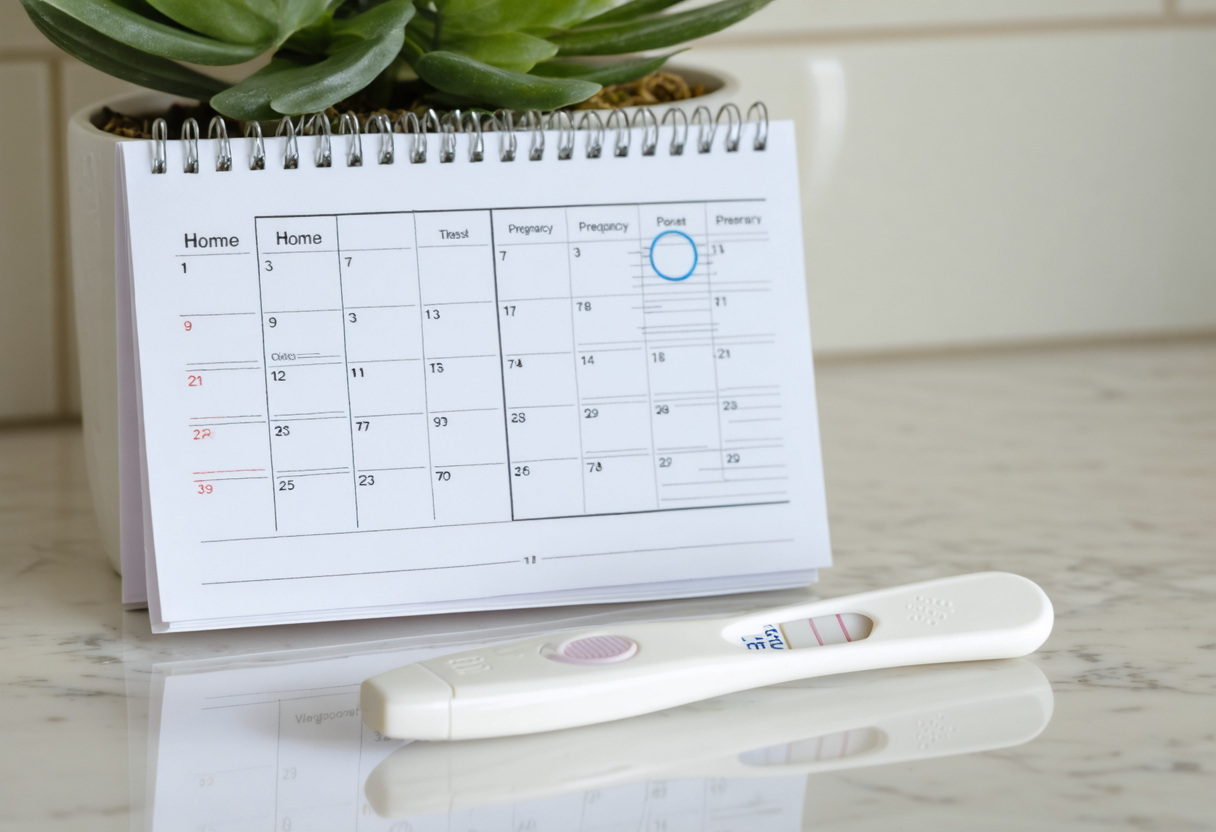
Timing affects accuracy: most tests are reliable from the day of your expected period, and some sensitive brands claim earlier detection. For example, a test advertised as an 'early pregnancy test' may detect hCG several days before a missed period, but results can vary. The UK’s NHS recommends waiting until the day your period is due for the most reliable home result. If you test early and get a negative result but still suspect pregnancy, repeat the test in a few days.
Tips For Accurate Results
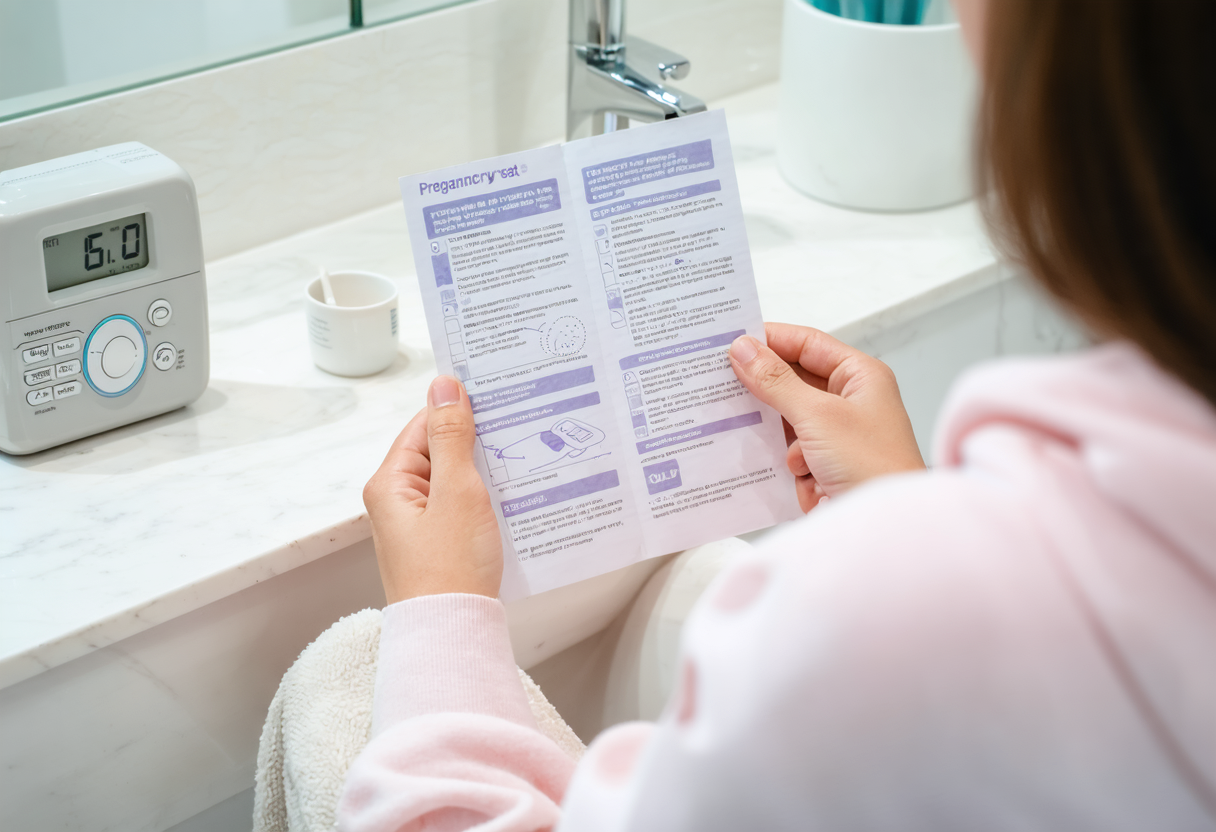
To improve accuracy, follow these practical steps:
Common Results And Next Steps
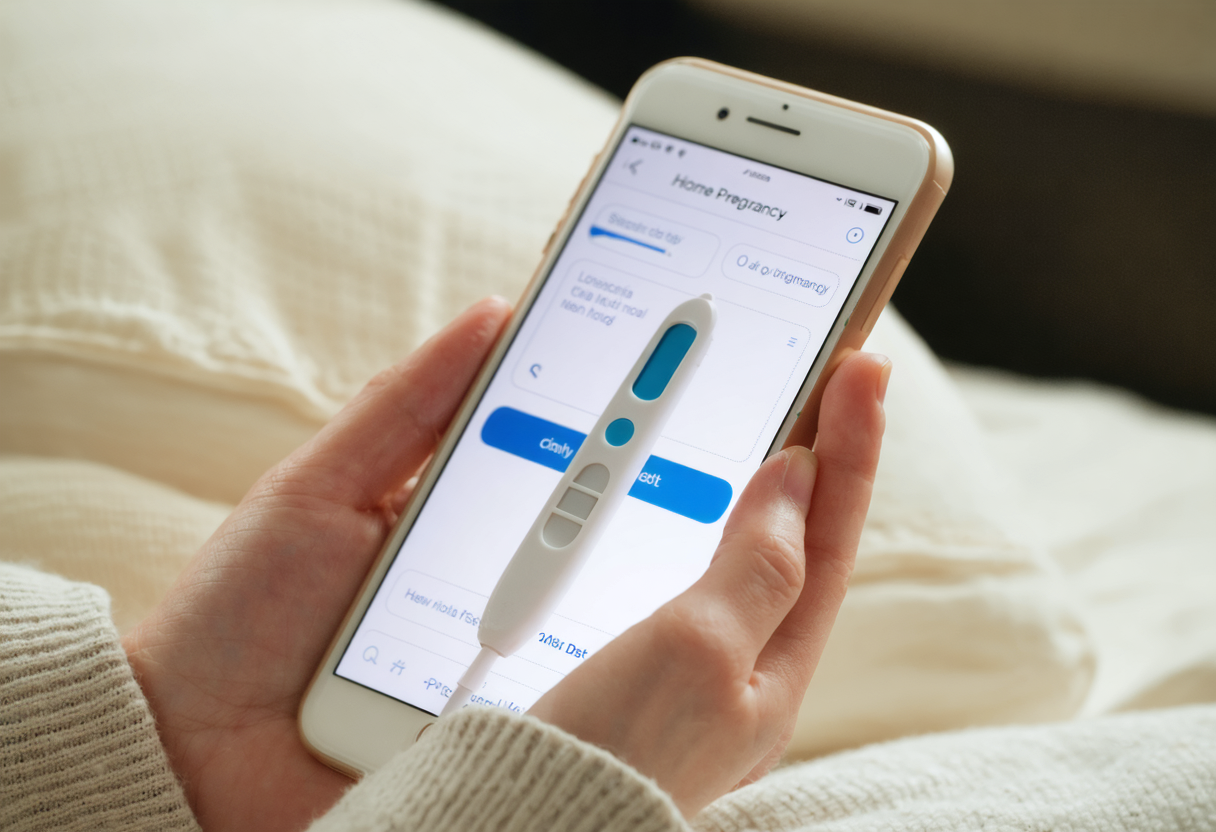
Most home tests show a clear positive or negative result; faint lines can occur and may indicate low hCG levels. If you get a positive result, contact a healthcare professional to confirm with a blood test and discuss next steps. If the result is negative but your period still doesn’t start, consider repeating the test in 3–5 days or consulting a provider. Remember, home tests can help you take the first step, but they aren’t a substitute for medical advice—consult a healthcare professional for personalized guidance.
Why Pregnancy Tests Matter Pregnancy tests give you timely information and options, whether you’re planning for pregnancy or seeking clarity. Key takeaways: tests detect hCG, timing and test sensitivity affect accuracy, and a positive result should be confirmed by a healthcare professional. Consider exploring reputable kits and, if you’re unsure, consult your provider to discuss next steps—learning more can help you make an informed decision.