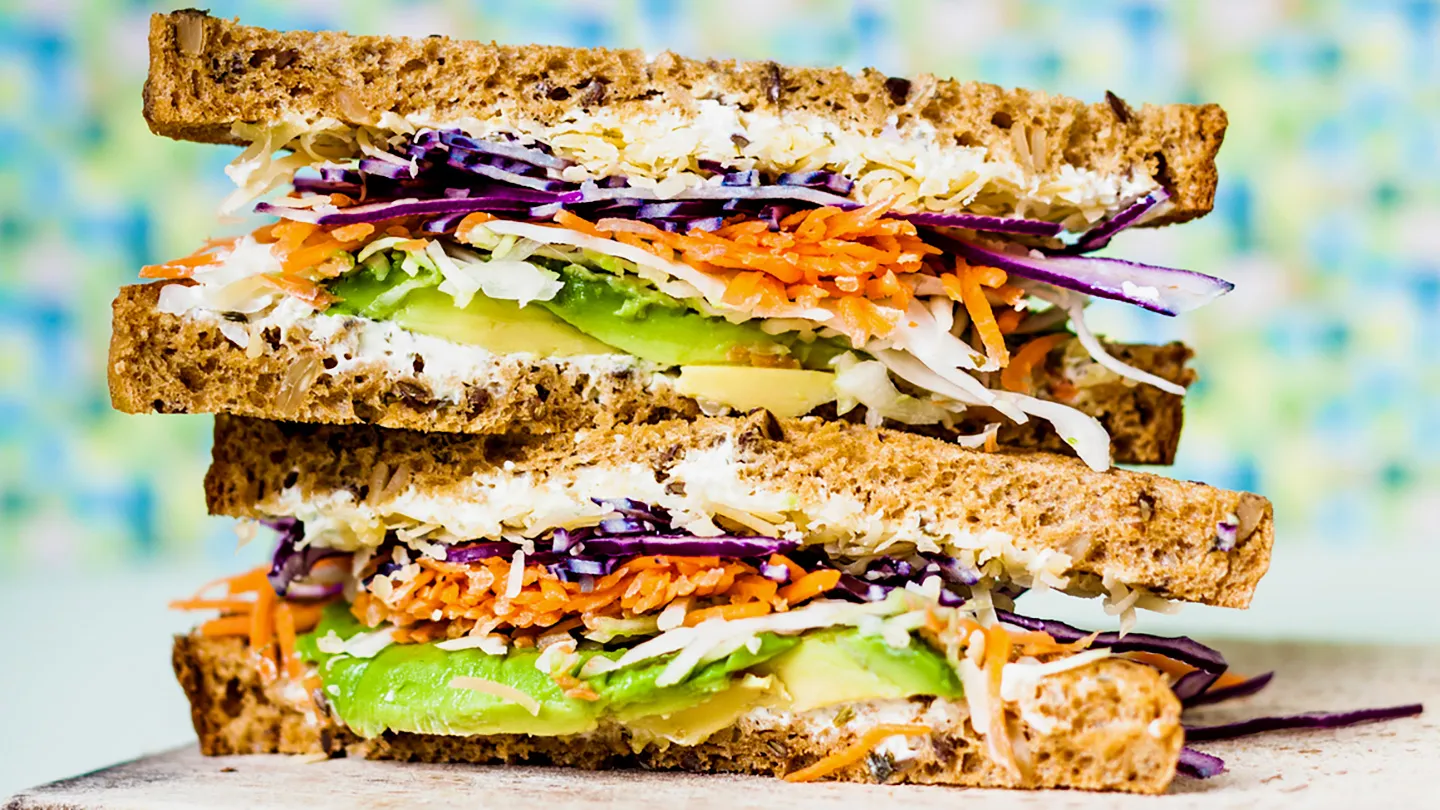
A sandwich can be one of the quickest, most satisfying meals you can make—but it can also be a hidden source of excess calories, sodium, and refined carbs. The good news? With a few simple swaps and a strategic approach, your sandwich can become a perfectly balanced meal that fuels your body, supports muscle recovery, and keeps you full for hours. Whether you're meal-prepping for the week or throwing together a quick lunch, here's exactly how to build a healthier sandwich that works for your fitness and nutrition goals.
Start With the Right Foundation: Choosing Your Bread
The bread you choose sets the stage for everything else. According to Harvard Health, whole-grain bread should be your go-to. Unlike refined white bread, whole-grain varieties retain the fiber-rich bran and germ, which helps slow digestion and keeps blood sugar stable. A single slice of 100% whole-wheat bread typically contains 2–3 grams of fiber and 3–4 grams of protein, making it far more satiating than its white counterpart.
Samaritan Health Services recommends looking for bread where the first ingredient is "100% whole wheat" or "whole grain," and checking that each slice provides at least 2 grams of fiber. Sprouted grain breads, like Ezekiel, are also excellent options because they contain even more protein and fewer preservatives. If you're watching your calorie intake, thin-sliced whole-grain bread or open-faced sandwiches can help reduce carbs without sacrificing the satisfaction of a sandwich.
Load Up on Vegetables for Volume and Nutrients
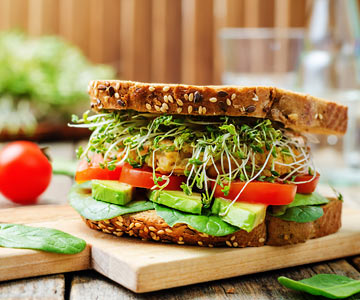
Registered dietitians agree: vegetables should be the star of your sandwich. Everyday Health notes that most people treat vegetables as an afterthought, adding a single leaf of lettuce and one tomato slice. Instead, pile on a variety of colorful veggies to increase volume without significantly increasing calories. Leafy greens, cucumber slices, shredded carrots, bell peppers, red onion, and roasted zucchini all add crunch, flavor, and a serious nutrient boost.
The Harvard Health experts suggest aiming for at least two servings of vegetables in your sandwich. This approach not only boosts your intake of vitamins A, C, and K but also adds fiber and water content, which promotes fullness. The Healthy Eating Advisory Service from Victoria, Australia, recommends thinking of vegetables as the main filling, not just a garnish.
Choose Your Protein Wisely
Aim to include 20–30 grams of protein in your sandwich for optimal satiety and muscle support. Lean deli turkey or chicken breast are classic choices, but don't overlook plant-based options. The high-protein veggie sandwich formula from EatingWell features mashed chickpeas or tofu as the base, mixed with herbs and a touch of mustard for flavor.
For those focused on fitness and muscle recovery, JSM Fitness recommends sandwiches built around grilled chicken breast, canned tuna packed in water, hard-boiled eggs, or lean roast beef. Each of these delivers high-quality protein with minimal saturated fat. If you prefer plant-based options, hummus combined with roasted vegetables or a black bean patty can provide an excellent protein punch. The key is to avoid processed meats that are high in sodium and preservatives—look for low-sodium options or roast your own protein at home.
Smarter Spreads and Condiments
This is where many sandwiches go wrong. Mayonnaise, creamy dressings, and butter-based spreads can add 100–200 calories and loads of saturated fat in just one tablespoon. Instead, the experts at Eat the Gains recommend using mashed avocado, hummus, Greek yogurt, or mustard as your base spread. These alternatives provide healthy fats, protein, and flavor without the excess calories.
Samaritan Health Services suggests experimenting with hummus in flavors like roasted red pepper or garlic, which pairs beautifully with roasted vegetables. A thin layer of pesto can also add bold flavor without the heavy calorie load of mayonnaise. And if you love a tangy kick, try a drizzle of balsamic glaze or a squeeze of lemon juice to brighten up the entire sandwich.

Watch Your Sodium and Add Healthy Fats
Many sandwich ingredients are surprisingly high in sodium. Deli meats, cheese, pickles, and even bread can push your sodium content past 1,000 milligrams quickly. Samaritan Health Services advises checking nutrition labels and choosing low-sodium deli meats, limiting cheese to one slice or skipping it entirely, and using vegetables for crunch instead of pickles or olives.
Healthy fats, on the other hand, are welcome additions. Avocado provides monounsaturated fats that support heart health and help absorb fat-soluble vitamins. A sprinkle of seeds like pumpkin or sunflower seeds adds texture, healthy fats, and a dose of magnesium and zinc. If you do add cheese, choose stronger-flavored varieties like sharp cheddar or feta, so you can use less while still getting plenty of flavor.
The Perfect Macro-Balanced Sandwich Formula
Eat the Gains breaks down the ideal sandwich formula for balanced macronutrients. Start with two slices of whole-grain bread (about 140 calories, 24g carbs, 6g fiber), add 3–4 ounces of lean protein such as grilled chicken or turkey (120–170 calories, 25g protein), pile on unlimited vegetables (under 50 calories), and top with one tablespoon of a healthy spread like hummus or avocado (40–60 calories, 4–6g healthy fat). The result is a perfectly balanced meal around 350–450 calories with 30+ grams of protein.
High-protein breakfast sandwiches are also gaining popularity for meal prep. Mallory the Dietitian recommends pre-making egg and turkey bacon sandwiches on whole-grain English muffins, wrapping them individually, and freezing them for quick, protein-packed mornings. Each sandwich delivers around 35 grams of protein and reheats beautifully.
3 Healthy Sandwich Combinations to Try
The Mediterranean Veggie: Whole-wheat pita or bread filled with hummus, roasted red peppers, cucumber, red onion, kalamata olives, spinach, and crumbled feta. This plant-based option delivers fiber, healthy fats, and bold flavor without any meat.
The Turkey Avocado Club: Whole-grain bread with sliced turkey breast, half an avocado smashed as spread, lettuce, tomato, red onion, and a smear of Dijon mustard. Packed with lean protein, healthy fats, and crunch from fresh vegetables.
The Tuna White Bean Mash: Canned tuna mixed with mashed cannellini beans, a squeeze of lemon, and fresh herbs, served on toasted whole-grain bread with arugula and sliced tomato. This combination packs over 30 grams of protein and 8 grams of fiber.
The Bottom Line
Building a healthier sandwich doesn't require complicated recipes or hard-to-find ingredients. By choosing whole-grain bread, loading up on vegetables, selecting lean protein, and being smart about spreads, you can transform your sandwich from a simple lunch into a nutrient-dense meal that supports your fitness goals. The key takeaways? Prioritize fiber and protein, add color with vegetables, and swap out heavy condiments for healthier alternatives. Whether you're fueling for a workout or refueling after one, a well-built sandwich is one of the most versatile tools in your nutrition arsenal.