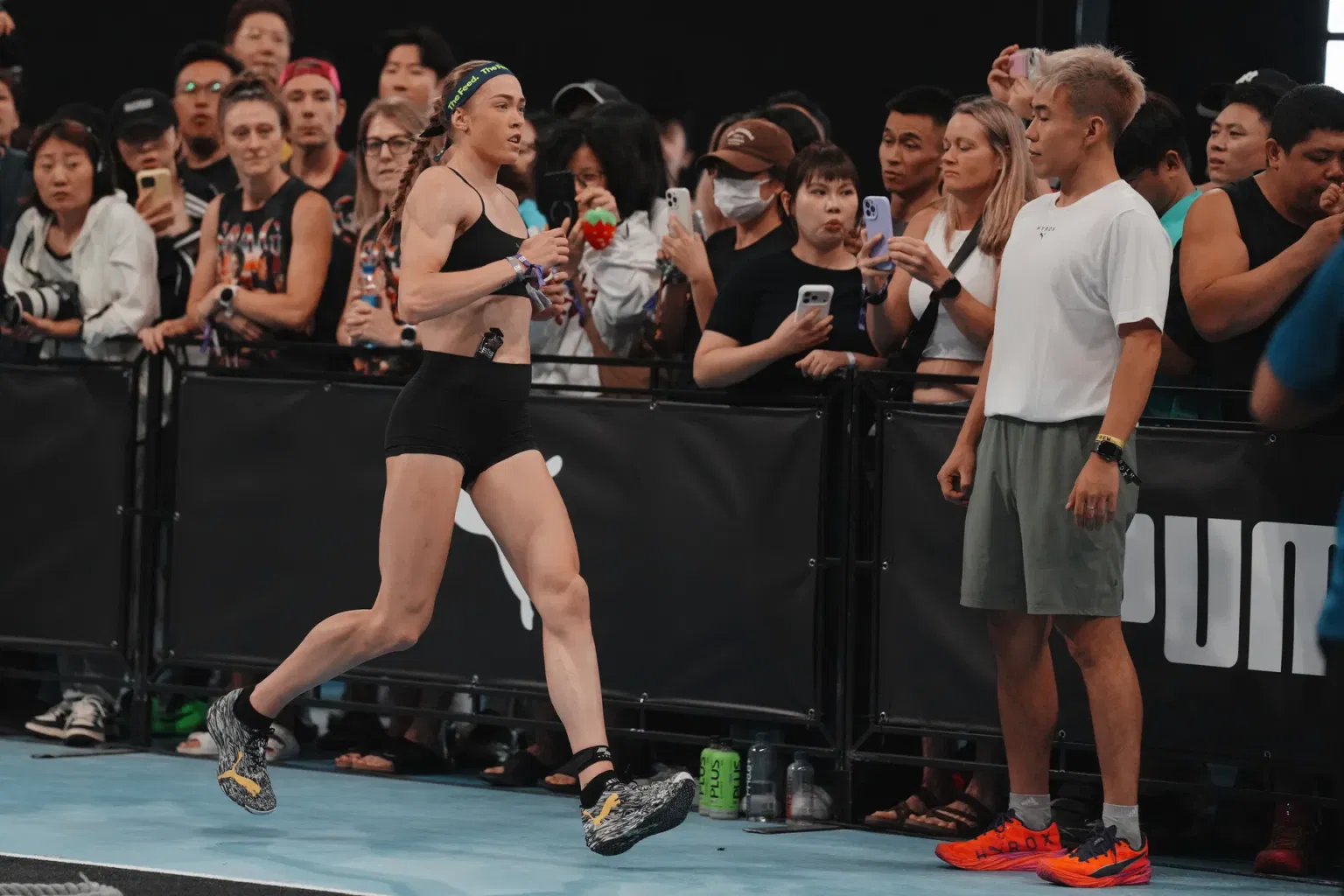
Australian Hyrox champion Joanna Wietrzyk has found herself at the centre of one of the most unusual — and fiercely debated — stories in fitness this year, after she continued racing and went on to win the HYROX Beijing event despite suffering a bout of bowel incontinence mid-competition. The 22-year-old Elite 15 athlete, ranked among the world's best and widely described as Australia's fastest female in the sport, made the call to push through the incident on Saturday, September 12, 2026 — a decision that has split the global fitness community, triggered a wave of online backlash, and ultimately forced race organisers to issue a public apology and rewrite parts of their rulebook.
What began as a personal medical mishap on an indoor race floor quickly escalated into a wider conversation about athlete welfare, event hygiene, and where the line between grit and common sense actually sits in endurance sport.
What Happened During the HYROX Beijing Race
Hyrox is an indoor fitness competition that alternates 1km runs with demanding functional exercises, including sled pushes, burpee jumps, rowing, and sandbag lunges. Founded in Hamburg, Germany, in 2017, the sport has expanded rapidly around the world and made its debut in mainland China in late 2024. The Beijing event proved so popular that organisers added an extra day, turning it into a four-day competition, according to the BBC.
Wietrzyk, who was invited to compete in Beijing, was racing in the Women's Pro division when she suddenly suffered faecal incontinence. Rather than stopping, she continued through the course — and eventually won the event. Footage of the incident later spread across Chinese social media, showing her carrying on despite visible soiling on her arms and legs, according to reports from ABC and Firstpost.
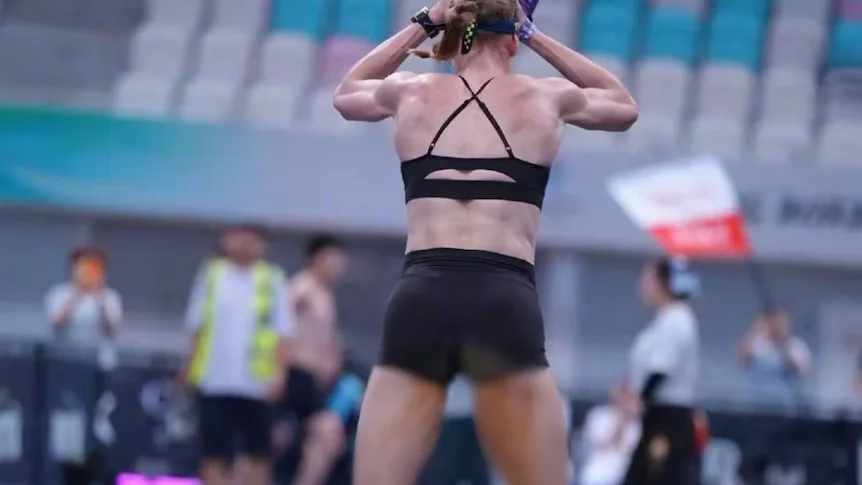
Afterwards, the athlete shared a selfie from a hospital bed alongside the caption: "Go hard or go home they say ... a win is a win."
The reaction was immediate and deeply divided. Some praised her determination, pointing out that endurance athletes routinely battle gastrointestinal distress. Others were far less sympathetic, questioning both her decision and the organisers' failure to intervene.
From Race Day to Rule Changes: How It Unfolded
- Saturday, Sept. 12, 2026 — Wietrzyk suffers bowel incontinence during her Women's Pro race but continues and wins the event.
- Sunday–Monday, Sept. 13–14, 2026 — Video of the incident circulates on Chinese social media; a related Weibo hashtag tops 27 million views.
- Monday, Sept. 14, 2026 — ABC News publishes the first major report on the backlash from competitors and social media users.
- Tuesday, Sept. 15, 2026 — Hyrox apologises and confirms rule changes, admitting it made a mistake by "not reacting immediately." Coach Chris Bayens condemns "personal attacks" against Wietrzyk.
- Wednesday, Sept. 16, 2026 — Hyrox China confirms full refunds for athletes who finished after Wietrzyk, plus a new hygiene rule allowing officials to remove competitors from a race.
Why Endurance Athletes Experience GI Distress — and Why It Matters
The debate around Wietrzyk's decision has resurfaced a long-standing reality of endurance sport: gastrointestinal problems are remarkably common among athletes pushing their bodies at high intensity. During strenuous exercise, blood flow is redirected away from the gut toward working muscles, which can disrupt digestion and, in some cases, trigger sudden and uncontrollable bowel movements.
That context is part of why opinion split so sharply. Some observers framed her finish as the ultimate display of mental toughness, while health professionals focused on the hygiene implications of continuing on a shared, indoor course.
"From a basic health and sanitation standpoint, the athlete should have been stopped immediately, and any contaminated areas should have been closed off and properly cleaned before other athletes were allowed through," US-based nurse Erica Dodge wrote on Instagram.
Competitors who shared the course voiced similar frustration. Joe Ho, who took part in the Beijing event, called on Hyrox to "take responsibility when its own procedures fail" and asked, "If the organisation accepts that something went wrong, why not offer affected participants refunds, credits, or some meaningful form of compensation?"

Another competitor, posting as johopalooza on Instagram, said "there could be genuine physical and psychological consequences" for those exposed to the situation, adding: "I paid Hyrox to provide a professionally organised and safe event."
Refunds and New Hygiene Rules: Where Things Stand
Hyrox has moved quickly to contain the fallout. Hyrox China said the affected area was dealt with after the race. "After the incident, the organising committee immediately closed off and isolated the affected area and track, and completed comprehensive disinfection," organisers said. "Relevant equipment was removed from the venue, and waste was disposed of in accordance with municipal waste-management standards." The organisation also confirmed the venue's flooring would be replaced ahead of future events.
Hyrox World, the global governing body, acknowledged that its procedures were not applied as intended. "Hyrox has clear bio-contaminant and medical procedures in place," it said. "In this instance, an unforeseen situation arose in which protocols designed for elite competition and mass participation became blurred, creating ambiguity in how they were applied and understood."
In a follow-up message to participants, Hyrox China confirmed that athletes who finished after Wietrzyk on Saturday would receive full refunds, and introduced a new hygiene rule that allows officials to remove competitors from a race on health-and-safety grounds.
What Happens Next for Wietrzyk and Hyrox
Wietrzyk's coach, Chris Bayens, defended the athlete and the officials who allowed her to continue, describing the online backlash as unfair and urging critics to show compassion rather than pile on. The broader question now is whether the incident leads to lasting change across Hyrox's rapidly growing global circuit.
For competitors, the new hygiene rule and refund policy signal that organisers are taking the incident seriously. For Wietrzyk, the fallout has become as much a story about online cruelty as about race-day resilience — a reminder that viral moments in sport can carry a heavy personal cost well beyond the finish line.
The Bottom Line
- Joanna Wietrzyk, 22, won the HYROX Beijing event after suffering bowel incontinence mid-race on Saturday, Sept. 12, 2026.
- The incident sparked a viral debate over hygiene, athlete welfare, and whether she should have been allowed to continue.
- Hyrox apologised for "not reacting immediately," offered refunds to affected competitors, and introduced a new hygiene rule.
- Wietrzyk's coach condemned the online "personal attacks" directed at the athlete.