
Leg weakness in the elderly is a prevalent issue that can compromise independence and increase fall risks. By identifying its causes and adopting preventive measures, seniors can enhance their quality of life. In this article, we'll delve into key factors, practical exercises, and when to seek professional guidance.
What Causes Muscle Weakness in the Elderly?

Muscle weakness in the elderly often stems from age-related changes such as sarcopenia, where muscle mass and strength decline over time. According to the National Institute on Aging, adults can lose 3-5% of muscle mass per decade after age 30, contributing to leg weakness. Additionally, neurological conditions, arthritis, or nutritional deficiencies may play a role. For instance, a study from the CDC links muscle weakness to higher fall risks in seniors. Understanding these causes is the first step toward effective management.
How Leg Weakness Impacts Daily Mobility and Safety
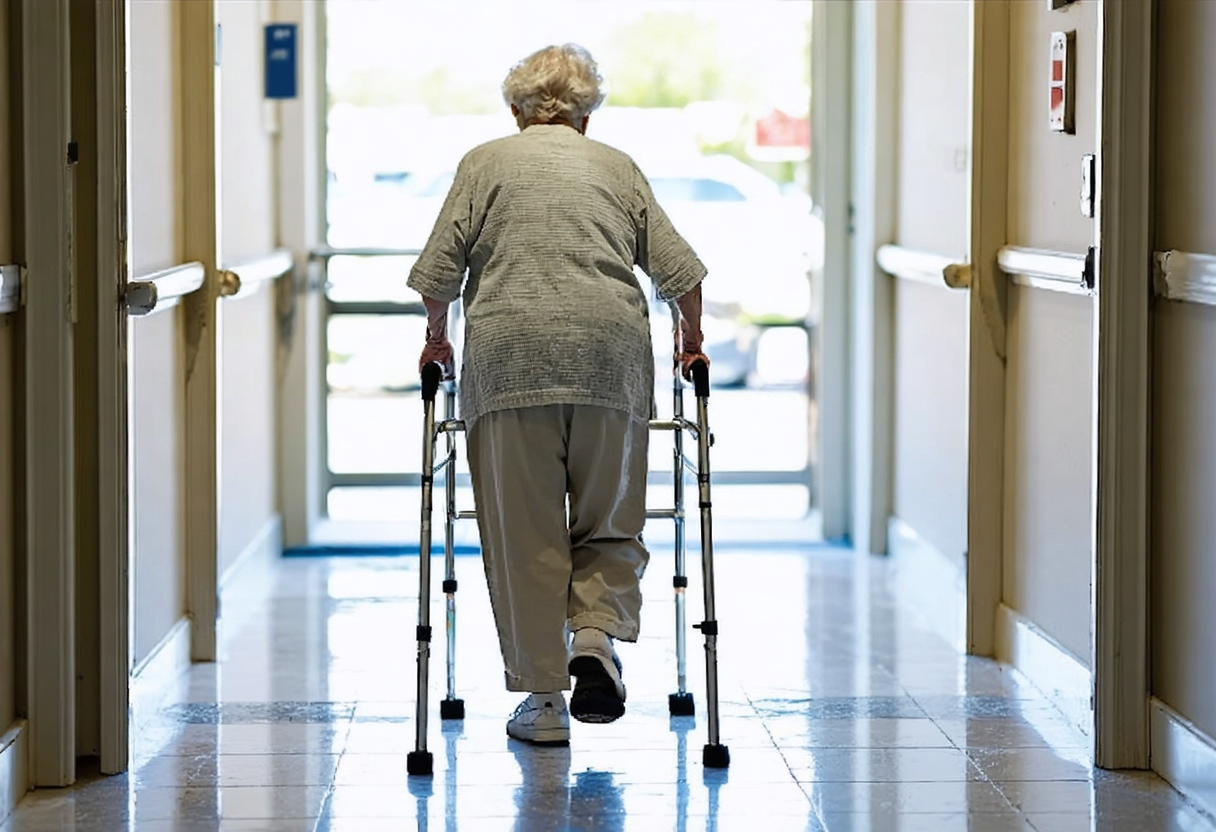
Leg weakness can make everyday activities like walking, climbing stairs, or standing up challenging, potentially leading to reduced activity and social isolation. You might experience instability or fatigue, which increases the risk of falls—a major concern for elderly health. However, by recognizing these impacts early, you can take proactive steps to maintain safety and confidence. For example, using assistive devices or modifying your home environment can help mitigate risks and promote independence.
Exercises for Strengthening Leg Muscles
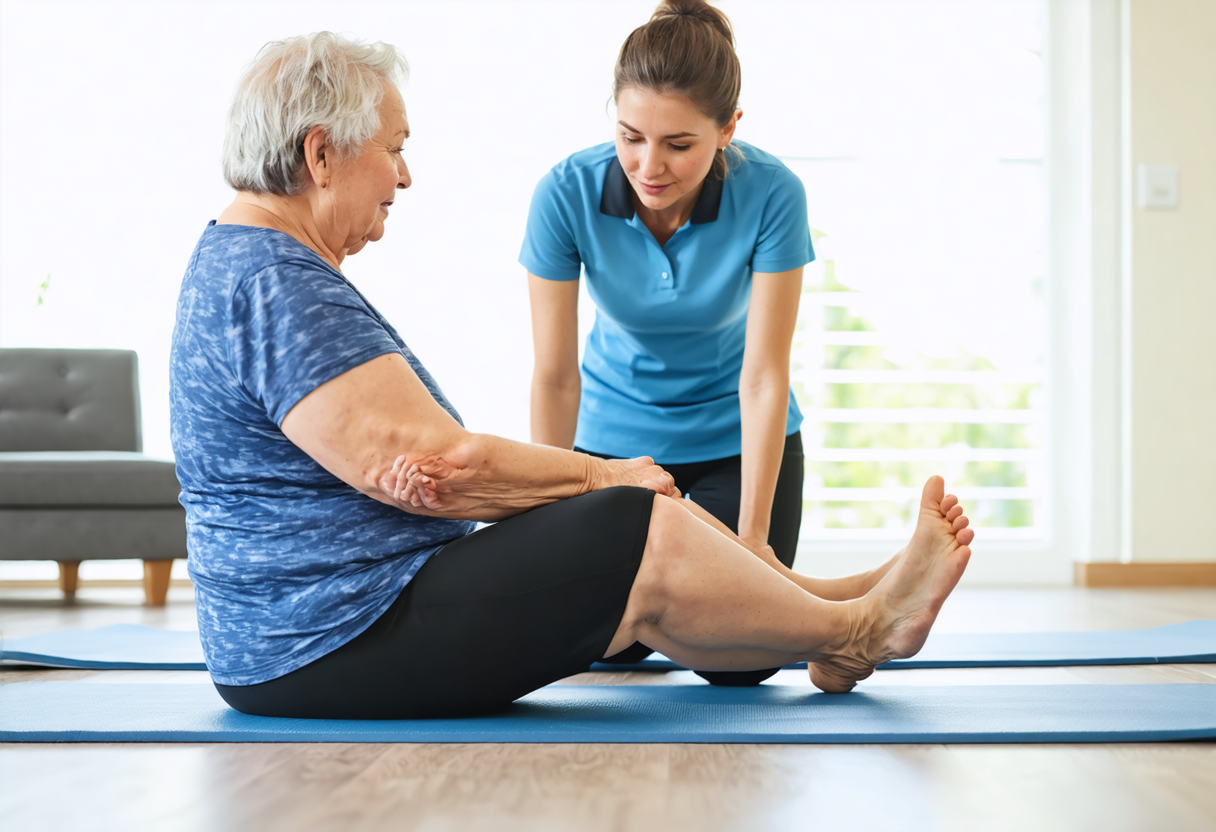
Regular physical activity is key to combating leg weakness and improving overall strength. Here are some safe and effective exercises tailored for seniors:
- Seated leg lifts: Sit in a sturdy chair and slowly lift one leg at a time to strengthen the quadriceps.
- Heel raises: Stand while holding onto a counter or chair and rise onto your toes to engage calf muscles.
- Walking: Aim for short, daily walks to enhance leg endurance and circulation, which can reduce muscle weakness after exercise.
These activities, when done consistently, can help build muscle resilience. Always start gradually and consult a healthcare provider for personalized advice to avoid injury.
When to Seek Medical Advice for Leg Weakness

If leg weakness is sudden, severe, or accompanied by symptoms like pain, numbness, or balance issues, it's crucial to consult a healthcare professional. According to the Mayo Clinic, persistent weakness may indicate underlying conditions such as nerve damage or metabolic disorders. Early diagnosis can lead to better outcomes, so don't hesitate to seek evaluation. Remember, this information is educational; always discuss any concerns with a doctor for tailored recommendations.
By understanding the causes of leg weakness and incorporating exercises like those mentioned, seniors can take meaningful steps toward improved mobility and safety. Empowering yourself with knowledge and proactive habits can make a significant difference in daily life. If you're curious about further strategies, consider exploring additional resources or scheduling a consultation with a healthcare expert to develop a personalized plan.