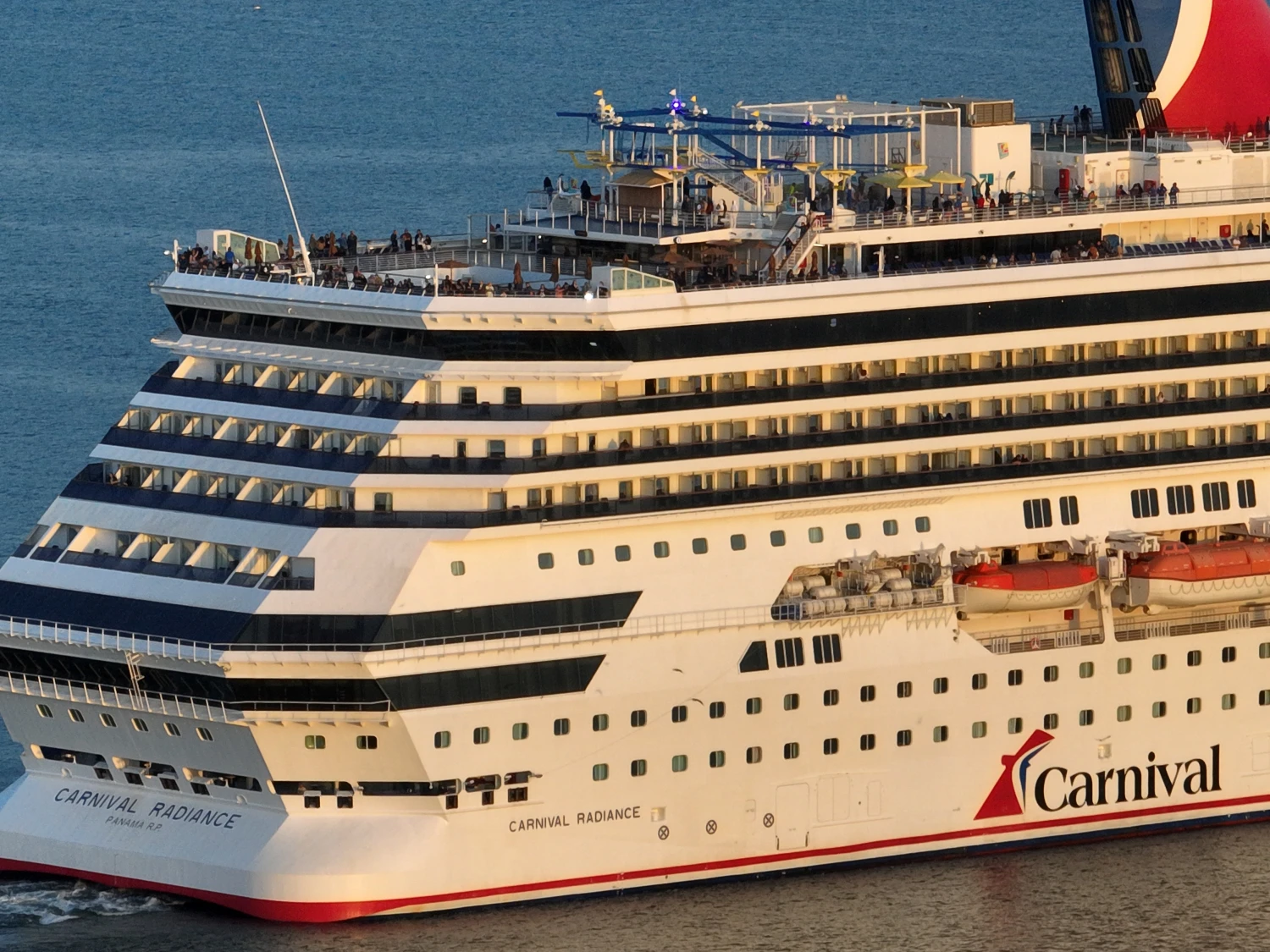
A Miami federal jury has awarded $300,000 to a California nurse who suffered a traumatic brain injury after being served at least 14 shots of tequila on a Carnival cruise—a landmark verdict that spotlights the serious health risks of alcohol overserving and binge drinking. Diana Sanders, a 45-year-old neonatal intensive care nurse from Vacaville, California, was served the staggering number of drinks in just eight hours and 39 minutes aboard the Carnival Radiance on January 5, 2024, before falling down a flight of stairs and sustaining severe injuries. The case highlights not just corporate responsibility in alcohol service, but the very real physical dangers that excessive drinking poses to anyone's health and fitness journey.
How the Carnival Cruise Overserving Case Unfolded
According to court documents obtained by the Miami Herald, Diana Sanders' evening of excessive drinking began around 2:58 p.m. on January 5, 2024, and continued until approximately 11:37 p.m. During that span, bartenders on the Carnival Radiance served her at least 14 shots of tequila—a rate of about 1.6 drinks per hour. "The cruise ship's bartenders should have stopped serving her once she became visibly intoxicated, which is a customary practice for bartenders on land," argued Sanders' attorney, Spencer Aronfeld, in statements to TODAY.com.
Sometime between 11:45 p.m. and 12:20 a.m., while heavily intoxicated, Sanders suffered what court documents describe as a "severe fall" down a flight of stairs. The resulting injuries were extensive: a concussion, persistent headaches, a possible traumatic brain injury, back injuries, tailbone injuries, bruising, and other trauma. "Taking on a corporate giant like Carnival is a massive undertaking, and I have enormous respect for my client's resilience throughout this 18-month litigation," Aronfeld told CBS News Miami.
Timeline: From 14 Shots to a $300,000 Verdict
The path from that fateful night to the recent verdict involves key dates that reveal how alcohol overserving cases progress through the legal system:
- January 5, 2024: Diana Sanders boards the Carnival Radiance and is served 14+ tequila shots between 2:58 p.m. and 11:37 p.m.
- Late January 2024: Sanders suffers her fall and is found unconscious in a crew-only area, with 30 minutes of surveillance footage missing from the critical period.
- 2024-2025: Sanders files lawsuit against Carnival Corporation, alleging negligence in overserving alcohol.
- April 10, 2026: After deliberation, a Miami federal jury rules in Sanders' favor, awarding her $300,000 in damages—$250,000 more than was requested at trial.
- April 2026: Carnival Corporation announces it "respectfully disagrees with the verdict and believes there are grounds for a new trial and appeal, which it will pursue."
Remarkably, the jury found Carnival 60% responsible for Sanders' injuries, while assigning her 40% responsibility for her own consumption—a nuanced verdict that acknowledges both corporate accountability and personal responsibility in alcohol-related incidents.
Why This Case Matters for Health and Fitness
Beyond the legal precedent, this case underscores critical health risks associated with binge drinking that everyone should understand. According to the Centers for Disease Control and Prevention (CDC), excessive drinking—which includes binge drinking—"increases your risk of illness, injury, and chronic disease." The CDC defines binge drinking as consuming four or more drinks for women, or five or more drinks for men, during a single occasion. By that measure, Sanders consumed 3.5 times the binge drinking threshold for women in under nine hours.
"This case highlights the inherent dangers of all-inclusive drink packages, which encourage excessive consumption and pressure underpaid servers to prioritize tips over safety," Aronfeld noted in his statement to CBS News. The health consequences of such consumption patterns are well-documented:
- Increased Fall Risk: Alcohol impairs balance, coordination, and judgment, dramatically increasing the likelihood of falls and related injuries.
- Traumatic Brain Injury (TBI): Falls while intoxicated frequently result in head trauma, with potential long-term cognitive effects.
- Long-Term Health Effects: Chronic excessive drinking can lead to liver disease, cardiovascular problems, neurological damage, and mental health issues.
- Immediate Physical Harm: Beyond falls, intoxication increases risks of accidents, alcohol poisoning, and poor decision-making with physical consequences.
For fitness enthusiasts and health-conscious individuals, understanding these risks is crucial. Alcohol consumption can derail fitness goals by impairing muscle recovery, disrupting sleep patterns, adding empty calories, and decreasing motivation for physical activity.
Where Things Stand Now: Carnival's Response and Industry Impact
Following the verdict, Carnival Corporation has made clear its intention to challenge the outcome. "Carnival Corporation respectfully disagrees with the verdict and believes there are grounds for a new trial and appeal, which it will pursue," a company spokesperson told TODAY.com. This stance reflects the cruise industry's broader approach to alcohol liability cases, which have become increasingly common as passengers challenge overserving practices.
The Sanders case isn't isolated. In a separate ongoing lawsuit, the fiancée of a 35-year-old Southern California man has filed a wrongful death claim against Royal Caribbean, alleging the cruise line negligently served him at least 33 alcoholic drinks before crew members tackled him to the ground, leading to his death. These cases collectively point to systemic issues in how cruise lines manage alcohol service and passenger safety.
From a health perspective, the cruise industry's business model—which often promotes unlimited drink packages—creates environments where excessive consumption is not just possible but economically encouraged. This raises important questions about corporate responsibility versus personal accountability in health outcomes related to alcohol.
What Happens Next: Health Recommendations and Legal Precedents
As the legal appeals process moves forward, health experts emphasize several key takeaways for individuals concerned about alcohol consumption and safety:
- Know Your Limits: Understand standard drink sizes and recognize that binge drinking (4+ drinks for women, 5+ for men in one sitting) carries significant health risks.
- Plan Ahead: If choosing to drink, establish limits beforehand, alternate with water, and ensure safe transportation.
- Recognize Intoxication Signs: Slurred speech, impaired coordination, and altered judgment indicate it's time to stop drinking.
- Consider Healthier Alternatives: Many cruise lines and venues now offer sophisticated non-alcoholic options that provide social enjoyment without health risks.
- Advocate for Responsible Service: Support establishments that train staff to recognize intoxication and refuse service when appropriate.
From a legal standpoint, the Sanders verdict may encourage more passengers to hold cruise lines accountable for overserving practices. It also highlights the need for clearer industry standards around alcohol service—particularly regarding staff training, surveillance, and intervention protocols when passengers show signs of severe intoxication.
The Bottom Line: Key Points to Remember
The $300,000 verdict in favor of Diana Sanders represents more than just a legal victory—it's a stark reminder of the physical dangers associated with excessive alcohol consumption. For health-conscious individuals, the case underscores several essential truths:
- Binge drinking dramatically increases risks of falls, traumatic injuries, and long-term health consequences
- Cruise lines and other hospitality venues have a responsibility to monitor alcohol service and prevent overserving
- Personal accountability remains crucial—knowing your limits and recognizing intoxication signs can prevent serious harm
- The health impacts of alcohol extend beyond immediate intoxication to affect fitness goals, cognitive function, and overall wellbeing
As Carnival pursues its appeal and similar cases work through the courts, this landmark verdict serves as both a cautionary tale and an opportunity for greater awareness about the intersection of alcohol service, corporate responsibility, and personal health. Whether on a cruise ship or at home, making informed decisions about alcohol consumption remains a critical component of any health and fitness lifestyle.