
A pregnancy test detects the hormone hCG to indicate whether you are pregnant, offering a private and accessible first step. In this guide, we'll explain understanding pregnancy tests, types of pregnancy tests, how to use a home pregnancy test, readability of pregnancy test results, where to find pregnancy tests, and pregnancy test reviews.
Understanding Pregnancy Tests
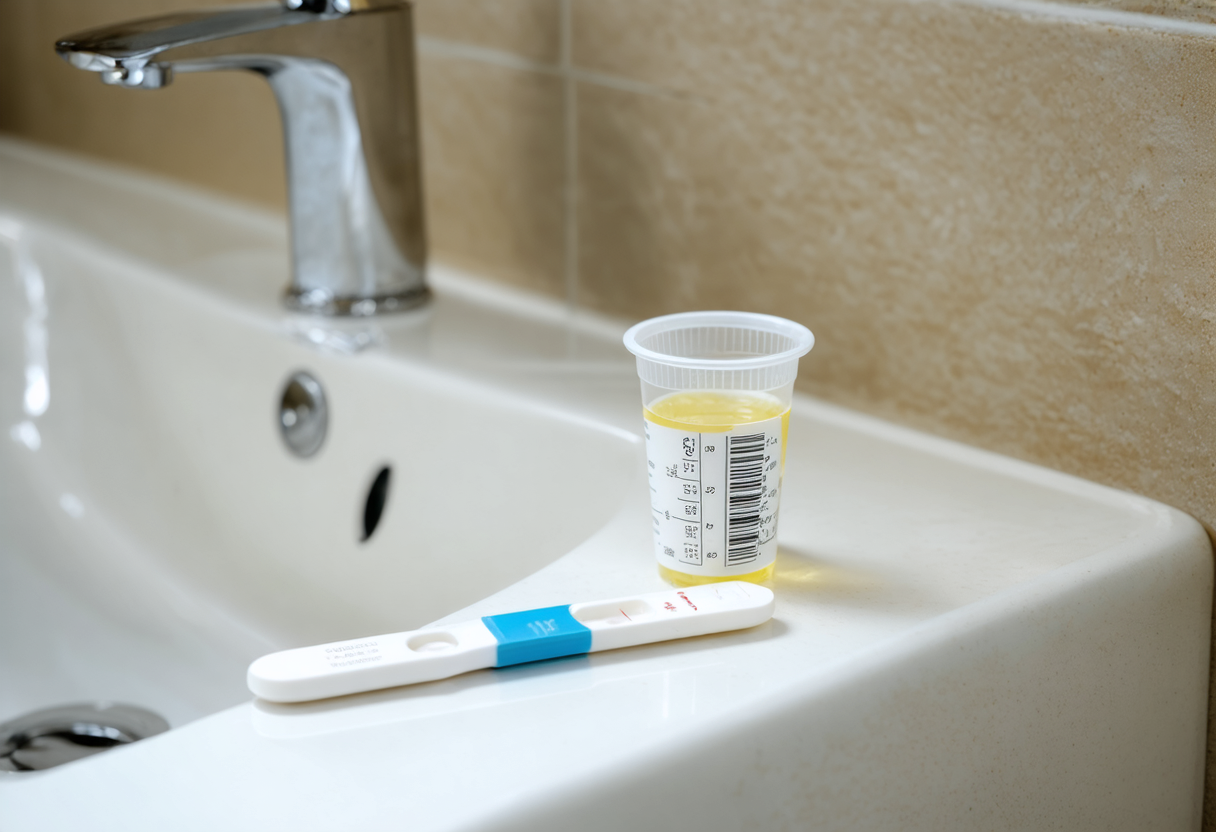
Pregnancy tests detect human chorionic gonadotropin (hCG), a hormone produced after a fertilized egg implants in the uterus. According to the FDA, most home tests can reliably detect hCG about one week after a missed period, though sensitive tests may work sooner. Understanding pregnancy tests means knowing that accuracy depends on timing, proper use, and test sensitivity. Taking a test too early can lead to a false negative because hCG levels may be too low. For best results, wait until after your missed period and follow the instructions carefully. If you're unsure, a healthcare provider can confirm with a blood test.
Types of Pregnancy Tests
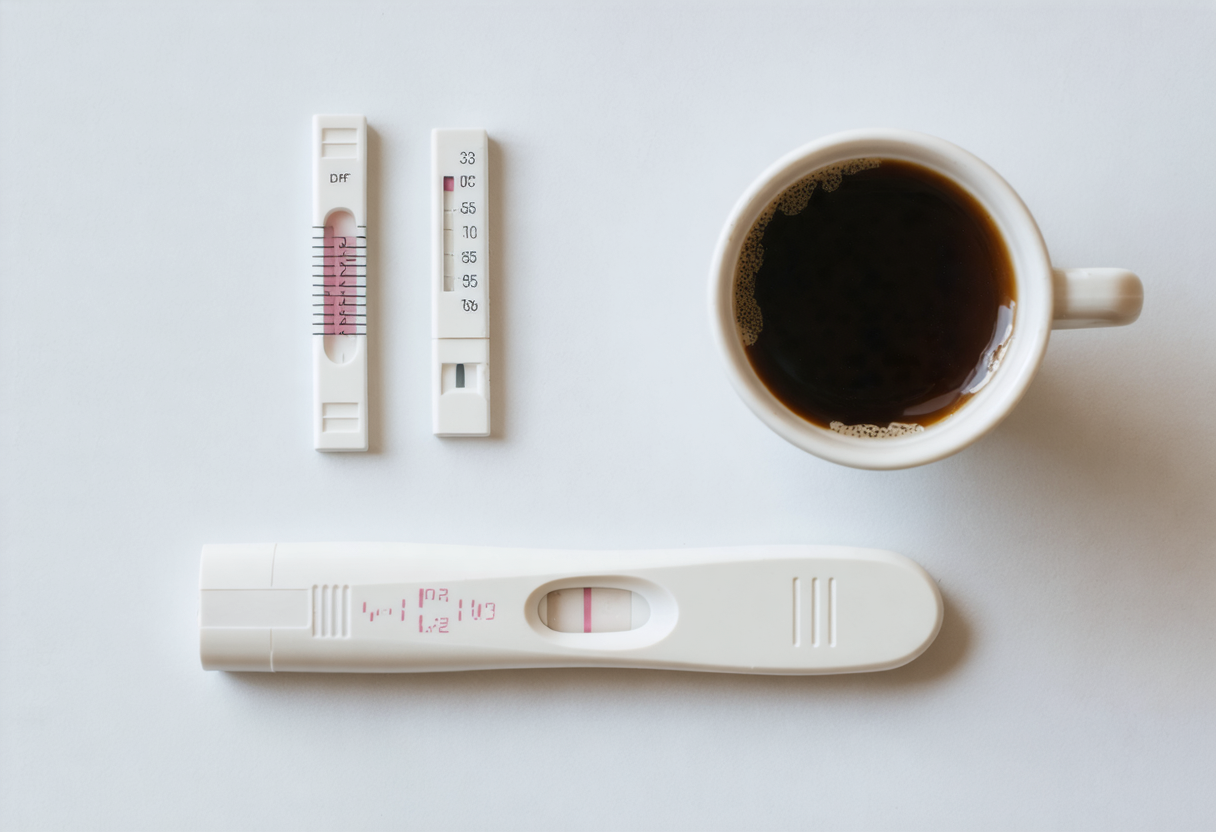
Pregnancy tests are mainly urine tests (home use) or blood tests (clinic). Blood tests can detect pregnancy about six to eight days after ovulation, according to Planned Parenthood, but they take longer and require a visit. Among urine tests, several formats exist:
- Strip tests: dip into urine or hold in stream.
- Midstream tests: hold absorbent tip in urine stream.
- Digital tests: show 'Pregnant' or 'Not Pregnant' instead of lines.
- Early detection tests: can be used a few days before a missed period but may be less accurate.
Check each test's sensitivity (mIU/mL) to understand how early it might detect pregnancy.
How to Use a Home Pregnancy Test
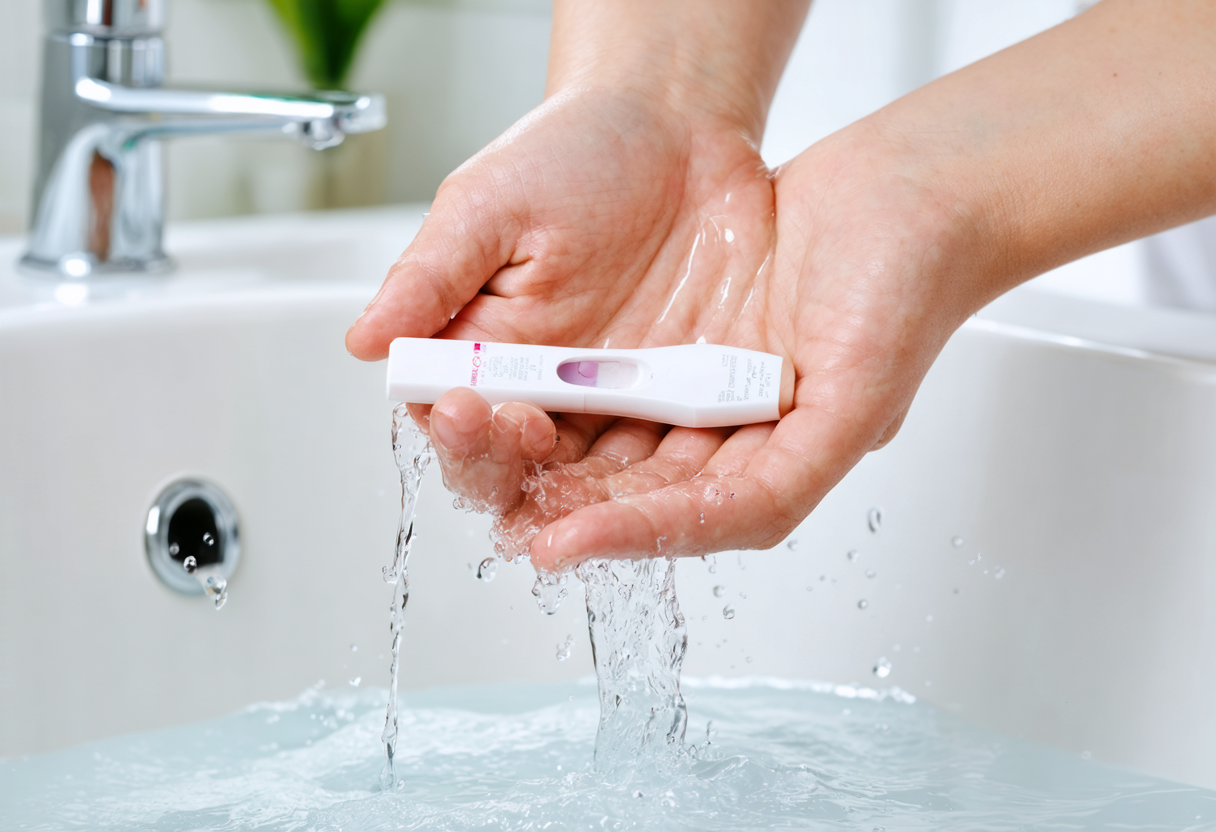
Knowing how to use a home pregnancy test properly is key to getting accurate results. Always read the instructions for your specific test. The Mayo Clinic suggests using first-morning urine because it has the highest hCG concentration, though many tests work any time after a missed period. Follow these general steps:
- Check the expiration date and wash your hands.
- Collect urine in a clean cup or hold the test in your urine stream as directed.
- Lay the test flat and wait the recommended time, usually one to five minutes.
- Read the result within the time window; results read later may be inaccurate.
Avoid excessive fluids before testing to prevent diluting your urine.
Readability of Pregnancy Test Results
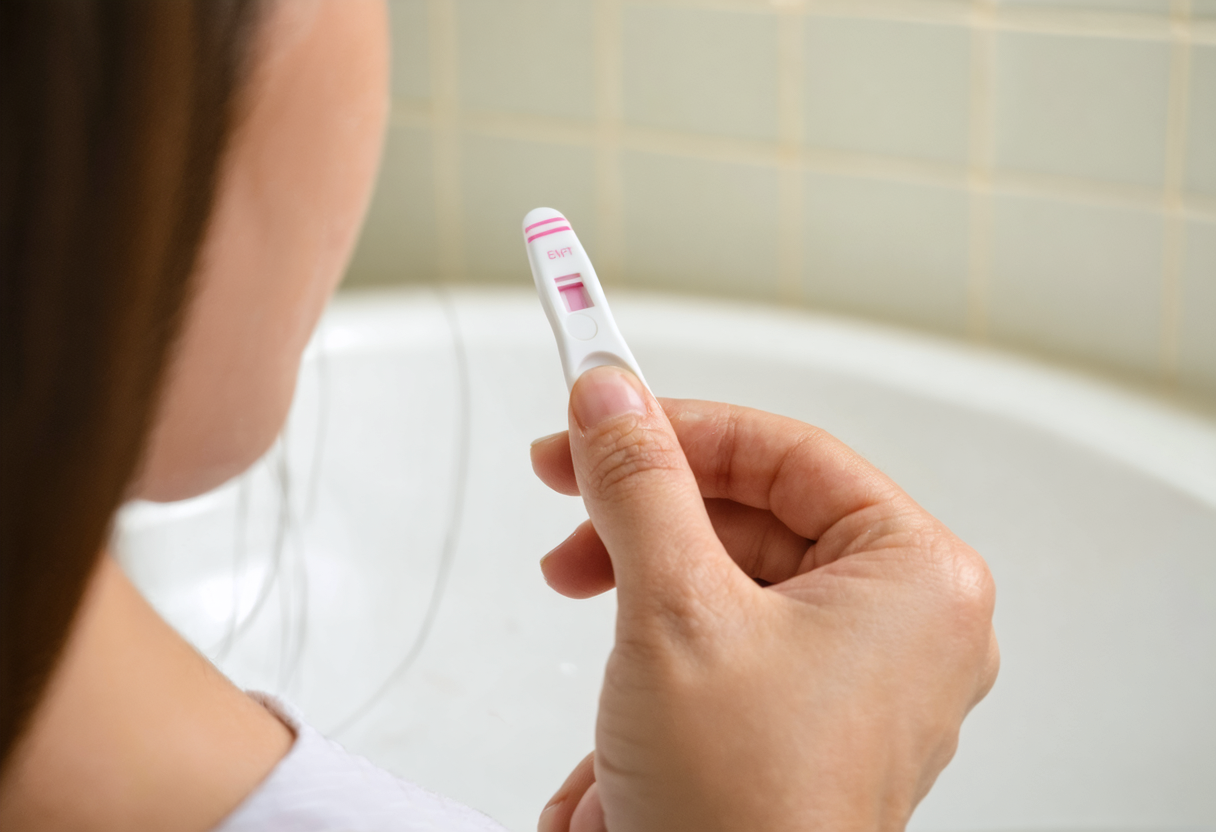
Line tests show a control line and possibly a test line; even a faint line usually means pregnancy, notes Cleveland Clinic. Digital tests display words, reducing guesswork. However, evaporation lines—colorless streaks after the reading window—can be mistaken for positives. For reliable readability of pregnancy test results, check within the specified time and avoid interpreting dried tests. If you get an unexpected result, retest in a couple of days or consult a healthcare provider.
Where to Find Pregnancy Tests
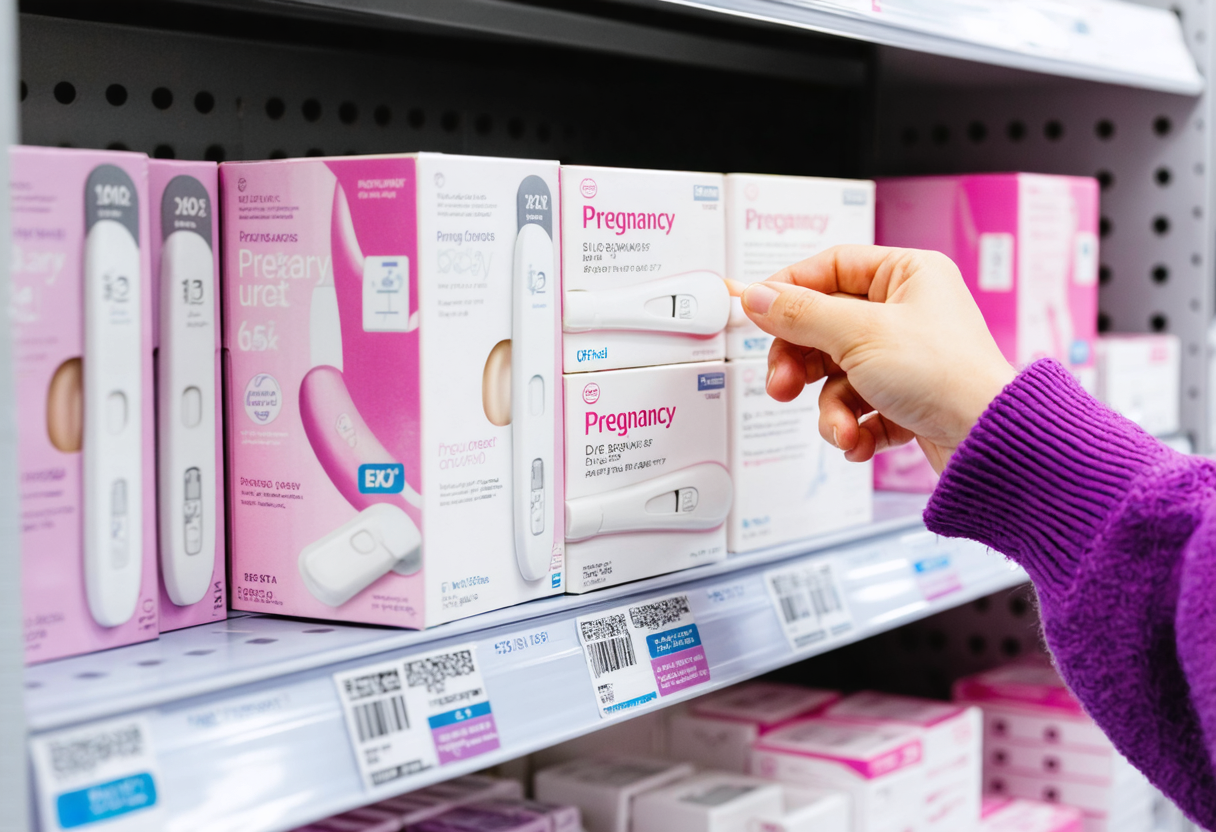
Pregnancy tests are sold without a prescription at drugstores, supermarkets, big-box stores, and online. Many community health clinics and family planning centers also offer free or low-cost options. When considering where to find pregnancy tests, weigh privacy, cost, and convenience. Basic strip tests are often cheapest, while digital and multi-packs cost more. Store brands can be as accurate as name brands. Check expiration dates and packaging before purchase.
Pregnancy Test Reviews
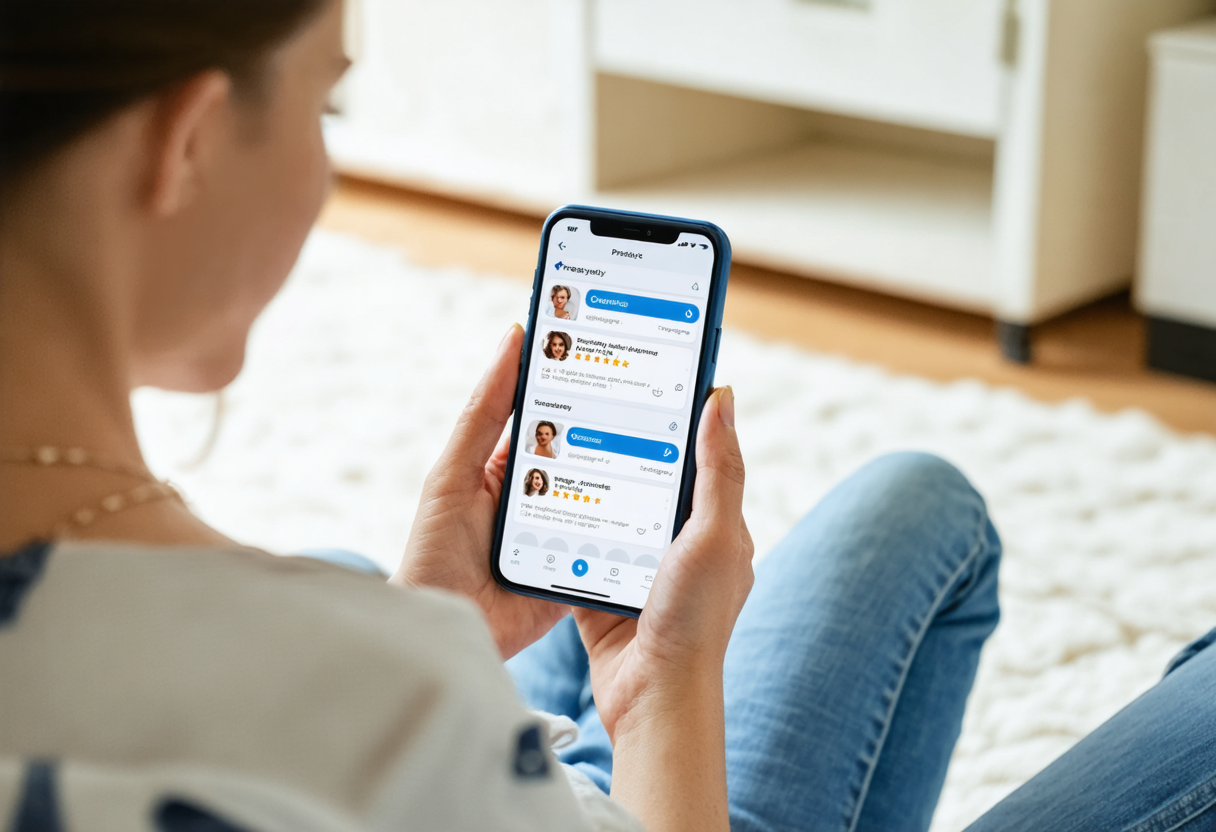
Pregnancy test reviews can help you compare ease of use, clarity, and reliability. Look for recurring patterns in feedback, such as false negatives or faint lines. Keep in mind that individual experiences vary, so read multiple sources rather than relying on one review. The FDA clears home pregnancy tests, ensuring they meet performance standards. No test is 100% perfect, and a healthcare professional can provide the most definitive result.
Understanding pregnancy tests, the types available, how to use a home pregnancy test, readability of pregnancy test results, where to find pregnancy tests, and pregnancy test reviews can help you approach testing with confidence. If you have questions or an unexpected result, talk to a healthcare provider for personalized advice. Consider exploring your options further to make an informed choice that fits your situation.