
Constipation affects millions of people daily, often causing discomfort and reduced quality of life. While lifestyle changes and fiber are key players in managing digestion, what you drink plays a major role too. In this guide, we'll explore the best drinks for constipation and show how simple changes in what you sip can help support a healthier, more regular digestive system.
Why Hydration Matters for Digestion
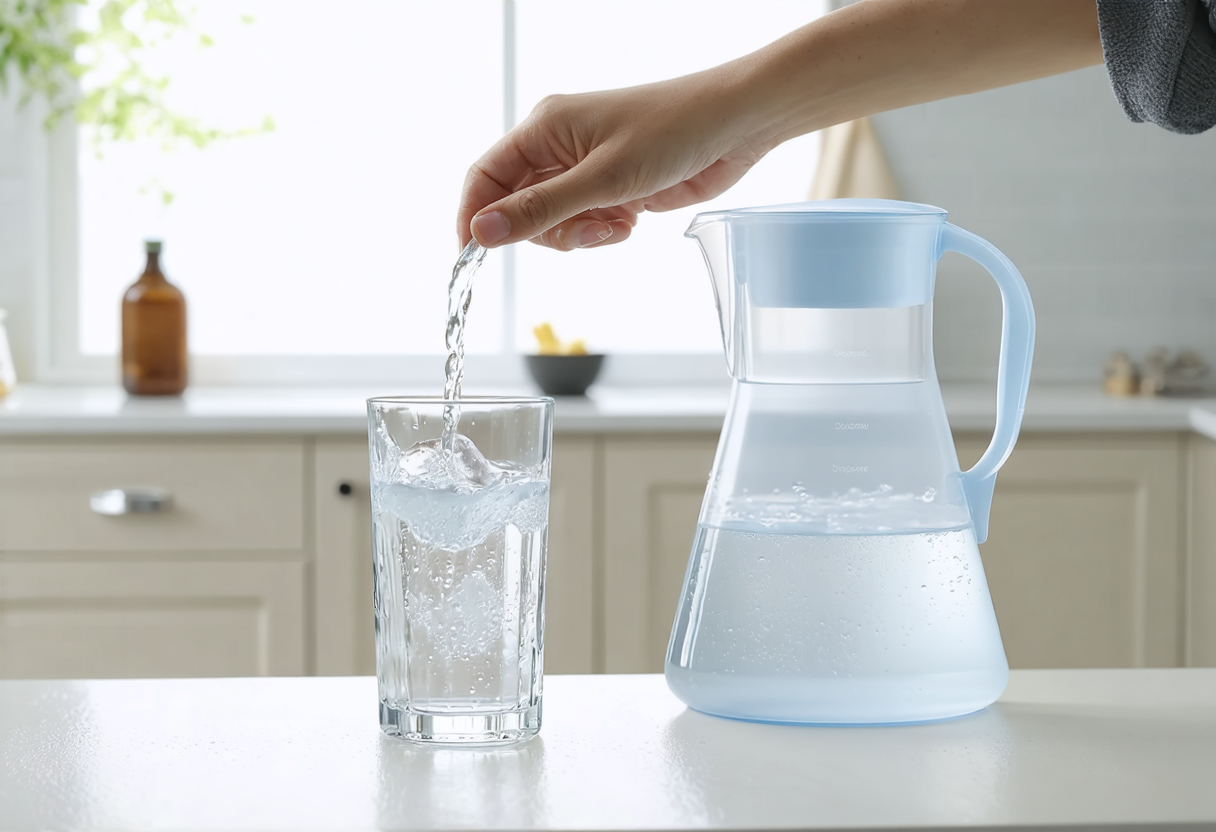
One of the simplest and most effective ways to support digestive health is by staying adequately hydrated. Water helps to soften stool, making it easier to pass and reducing the risk of constipation. When you’re dehydrated, your colon absorbs more water from waste material, which makes stools harder and more difficult to move.
According to the Centers for Disease Control and Prevention (CDC), consistent hydration is essential for healthy bowel function. If you’re feeling sluggish or bloated, increasing your water intake may help get things moving naturally.
Natural Juices That Can Kickstart Your Gut
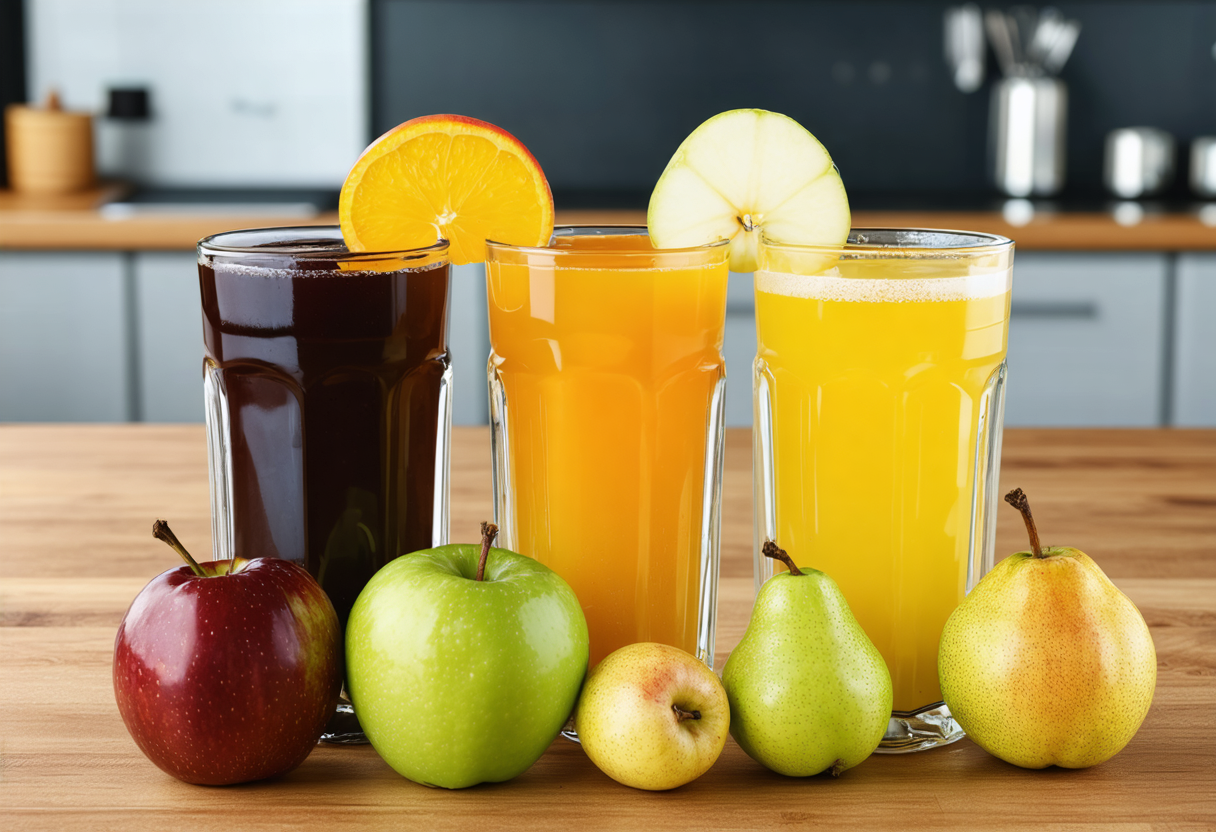
Certain fruit juices have natural laxative effects, thanks to their fiber content or natural sugars that promote movement in the digestive tract. Prune juice is perhaps the most well-known, but it’s not the only option. Pear and apple juices contain sorbitol, a sugar alcohol that can help draw water into the intestines.
Moreover, these juices come with a bonus of vitamins and antioxidants. Just be mindful to choose 100% juice options with no added sugar, as excessive sugar can sometimes worsen bloating.
Herbal Teas That May Ease Constipation Naturally
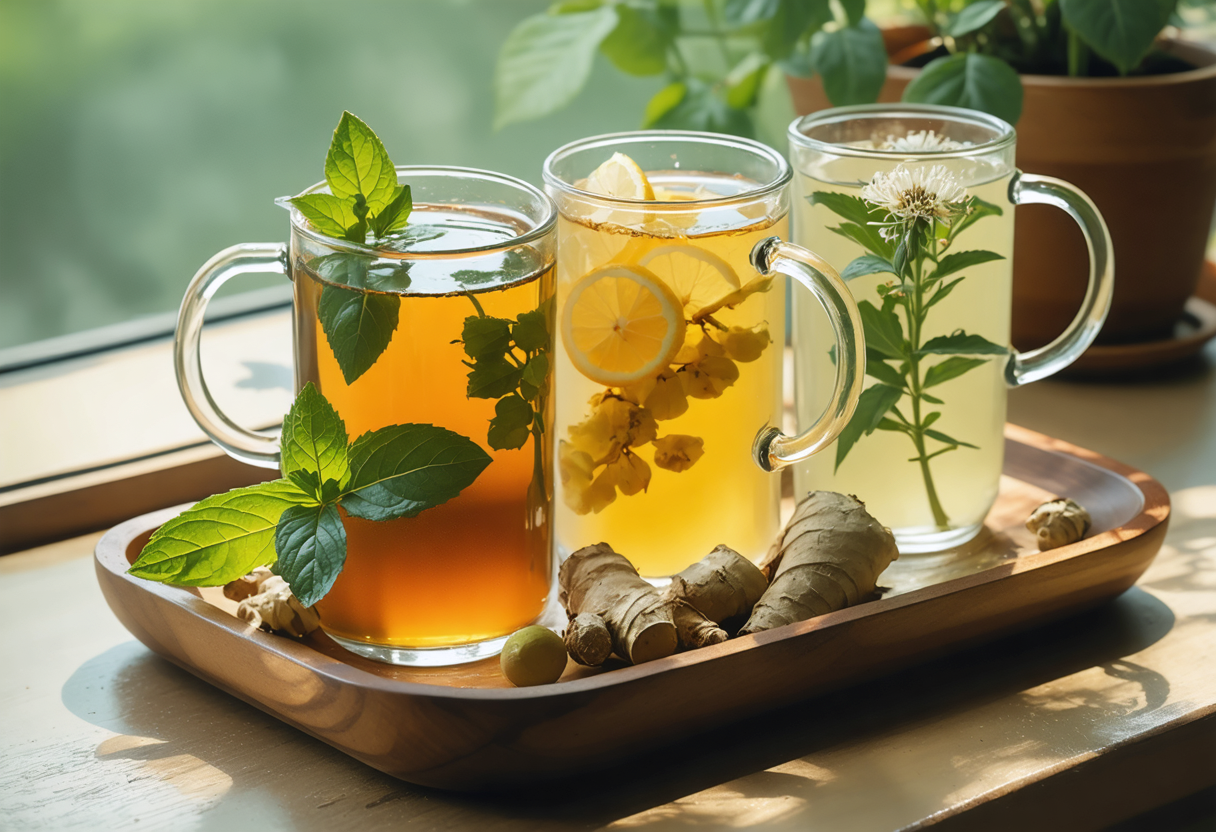
Herbal teas can be both soothing and beneficial for digestion. Several herbal infusions are traditionally used to relieve mild cases of constipation by promoting intestinal muscle contractions or relaxing the gut.
- Peppermint tea – May relax digestive muscles and ease cramps.
- Ginger tea – Known to stimulate digestion and soothe nausea.
- Senna tea – A natural laxative that should be used occasionally and under guidance.
- Dandelion tea – May support liver function and mild bowel movements.
As always, consult your doctor before starting herbal supplements, especially if you're on medication or pregnant.
Smoothies for Fiber and Fluid
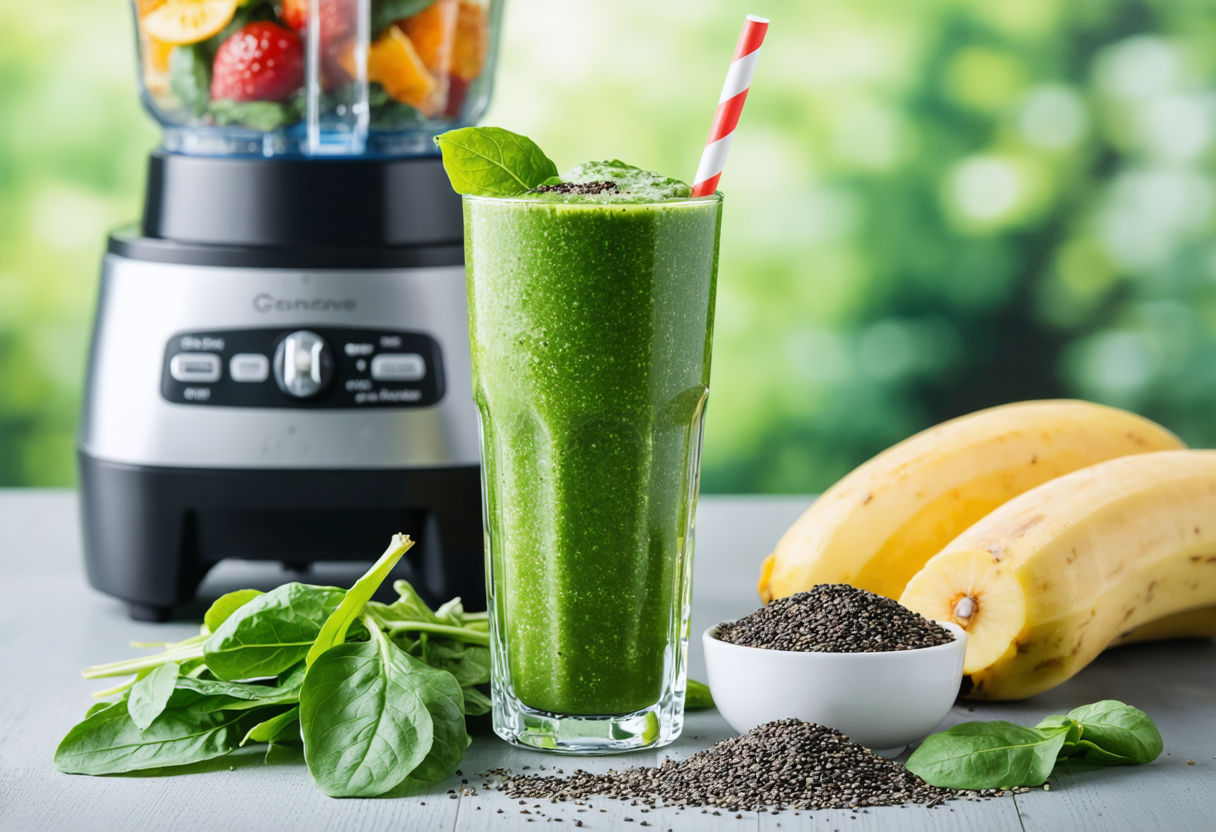
Smoothies are a powerhouse for digestive health because they deliver both hydration and fiber. The key is to include ingredients that are high in insoluble and soluble fiber, which can help add bulk and moisture to your stool.
Try blending together ingredients like bananas, spinach, chia seeds, and water or almond milk. By retaining the fiber from whole fruits and vegetables, smoothies can help maintain digestive rhythm without producing sudden spikes in blood sugar.
Drinks to Use with Caution

While many beverages promote gut health, others can have the opposite effect. Caffeinated drinks, like coffee or energy drinks, may offer temporary relief for some due to their stimulating effects, but they can also lead to dehydration in excess. Similarly, alcohol can disrupt regularity and should be consumed moderately.
Carbonated drinks like soda may lead to unnecessary gas and bloating, which can worsen feelings of constipation. Choose options that support, rather than hinder, your goal of digestive comfort.
Making small adjustments to what you drink each day can be a gentle and effective way to support regular digestion. From hydrating with water to incorporating fiber-boosting smoothies and soothing herbal teas, there are several constipation drinks that can work for your routine. If you're curious about what to drink when constipated, learning more about your options may help you feel better, naturally and consistently.