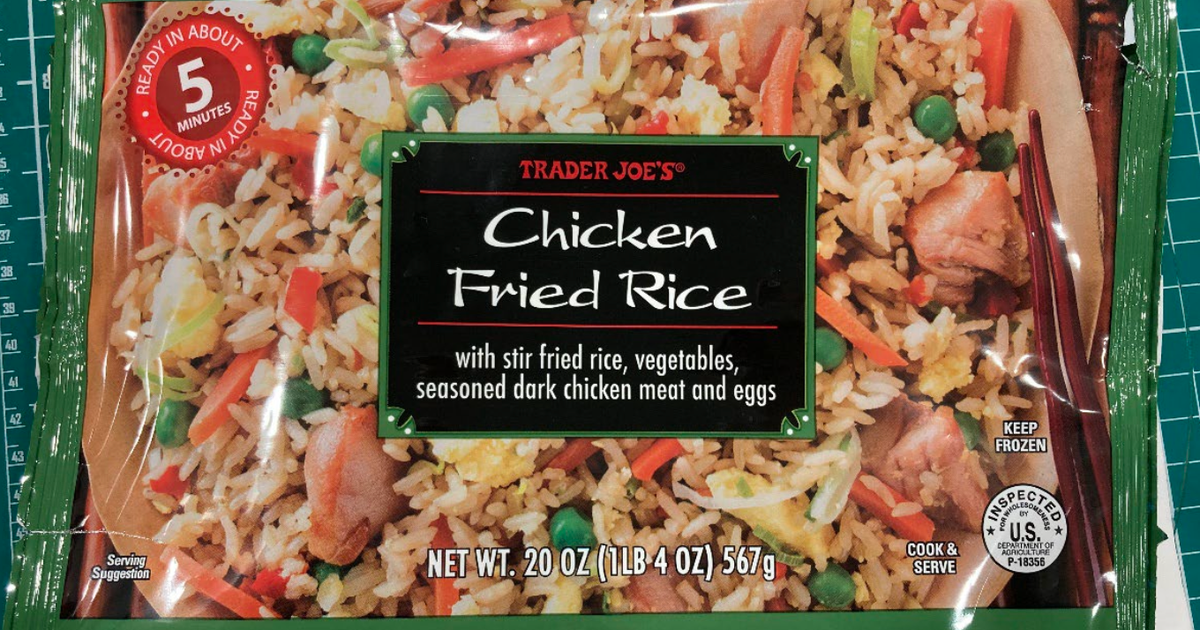
A major food safety alert has been issued for Trader Joe's customers nationwide as over 3.3 million pounds of frozen chicken fried rice are being recalled due to potential glass contamination. The USDA's Food Safety and Inspection Service (FSIS) announced the Class I recall this week after four consumers reported finding glass fragments in the popular frozen meal, raising serious health concerns for anyone who may have purchased the affected products.
What's Being Recalled: The Trader Joe's Chicken Fried Rice Details
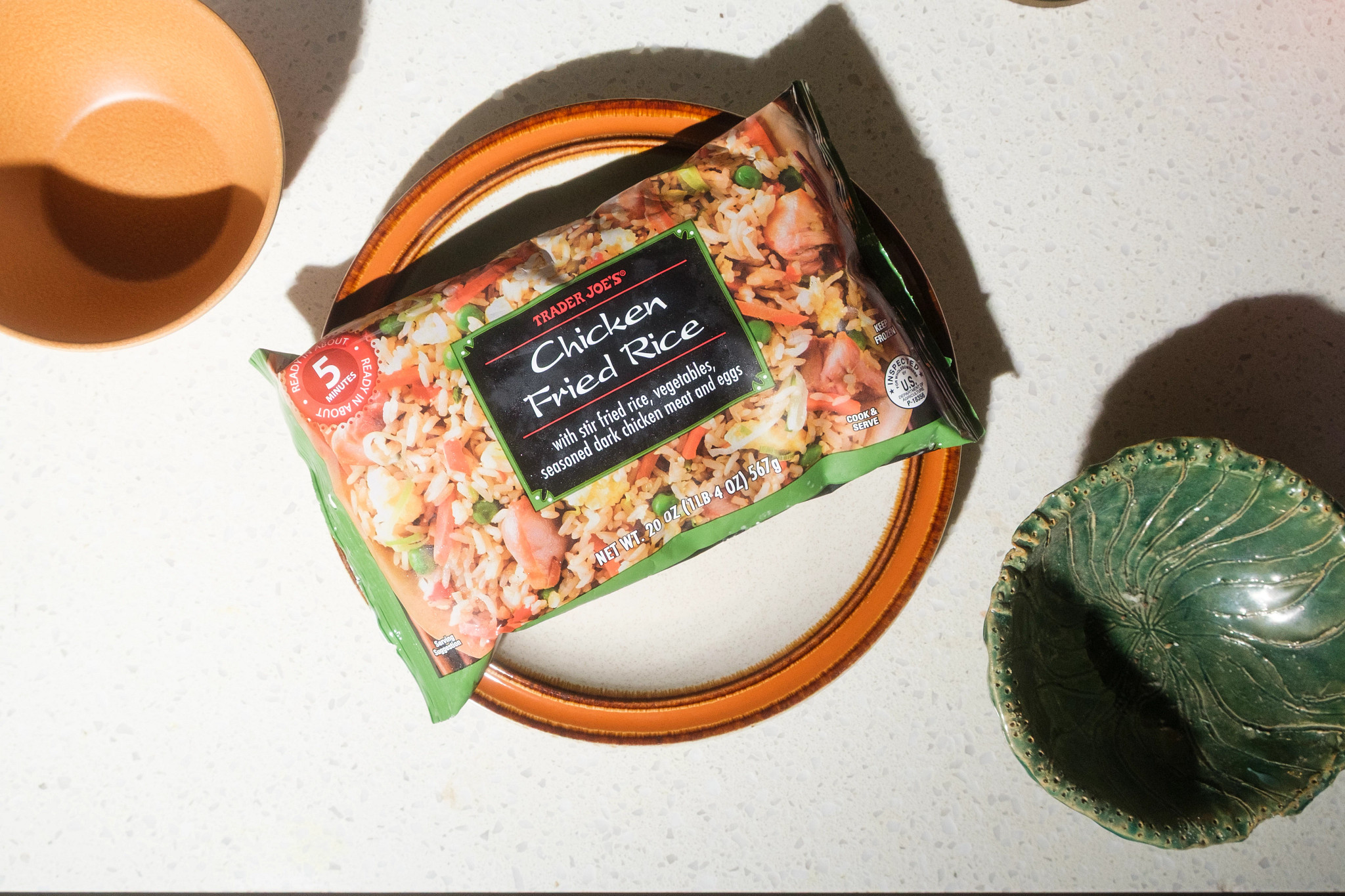
The recall involves frozen "not ready-to-eat" chicken fried rice produced by Ajinomoto Foods North America between September 8, 2025, and November 17, 2025. The affected products are sold in 20-ounce plastic bags labeled "TRADER JOE'S Chicken Fried Rice with stir fried rice, vegetables, seasoned dark chicken meat and egg." These items were distributed to Trader Joe's stores across the United States and to retailers in Canada, with the potentially contaminated packages bearing best-by dates between September 8, 2026, and November 17, 2026.
Timeline: How the Glass Contamination Crisis Unfolded
The sequence of events began when Ajinomoto Foods North America received four separate consumer complaints about glass fragments found in their chicken fried rice products. The company immediately notified the USDA's Food Safety and Inspection Service, which launched an investigation. On February 20, 2026, the FSIS issued a formal Class I recall notice—the most serious classification—indicating "a reasonable probability that eating the food will cause health problems." Within days, public health agencies across the country began alerting consumers to check their freezers and discard any affected products.
Health Risks: Why Glass Contamination Is So Dangerous
According to medical experts at Poison Control, swallowing glass fragments presents serious health risks that vary depending on the size and sharpness of the pieces. "Swallowing a small piece of glass will likely not result in any symptoms," explains the organization's guidance, "however, larger pieces with sharp edges can injure the throat and gut." Potential symptoms of glass ingestion include chest or abdominal pain, blood in stool, bloated abdomen, and fever. The esophagus and small intestine are particularly vulnerable to perforation, which can lead to life-threatening complications requiring emergency medical attention.
Current Status: Where the Recall Stands Now
As of late February 2026, no injuries have been confirmed related to the contaminated chicken fried rice, but the FSIS continues to monitor the situation closely. Trader Joe's has removed the affected products from store shelves nationwide and is working with Ajinomoto Foods to investigate the source of the glass contamination. Consumers who have purchased the recalled chicken fried rice are urged not to consume it and to either throw it away or return it to their local Trader Joe's for a full refund. The USDA recommends that anyone concerned about possible injury from consuming the product should contact a healthcare provider immediately.
What Happens Next: Protecting Yourself and Your Family
Food safety experts recommend several immediate steps for consumers: First, check your freezer for any Trader Joe's chicken fried rice with best-by dates between September 8, 2026, and November 17, 2026. If you find any, do not eat it—either discard it safely or return it to the store. Second, if you suspect you may have consumed contaminated product, monitor for symptoms such as abdominal pain, difficulty swallowing, or blood in stool, and seek medical attention if any concerning signs develop. Finally, this incident serves as a reminder to always inspect frozen foods carefully before consumption and to stay informed about food recalls through official channels like the USDA's Food Safety and Inspection Service website.
Key Takeaways: What You Need to Remember
The Trader Joe's chicken fried rice recall affects over 3.3 million pounds of product distributed nationwide. Four consumer complaints about glass fragments triggered the Class I recall—the most serious safety classification. No injuries have been reported thus far, but the potential health risks make immediate action crucial. Consumers should check their freezers, discard or return affected products, and seek medical attention if they experience any symptoms after consumption. This incident highlights the importance of food safety vigilance and the critical role of regulatory agencies in protecting public health.