Ebola disease is one of the most severe viral illnesses known to medicine, with a mortality rate that can reach as high as 80 to 90 percent without proper treatment. Caused by viruses in the Orthoebolavirus genus, Ebola has periodically emerged from animal hosts in sub-Saharan Africa to cause devastating outbreaks in human populations. As of May 2026, a new outbreak caused by the rare Bundibugyo strain in the Democratic Republic of the Congo and neighboring Uganda has been declared a Public Health Emergency of International Concern by the World Health Organization, with more than 80 deaths already reported. Understanding what Ebola is, how it transmits, and what can be done to prevent it has never been more critical.
What Is Ebola? The Virus Behind the Disease
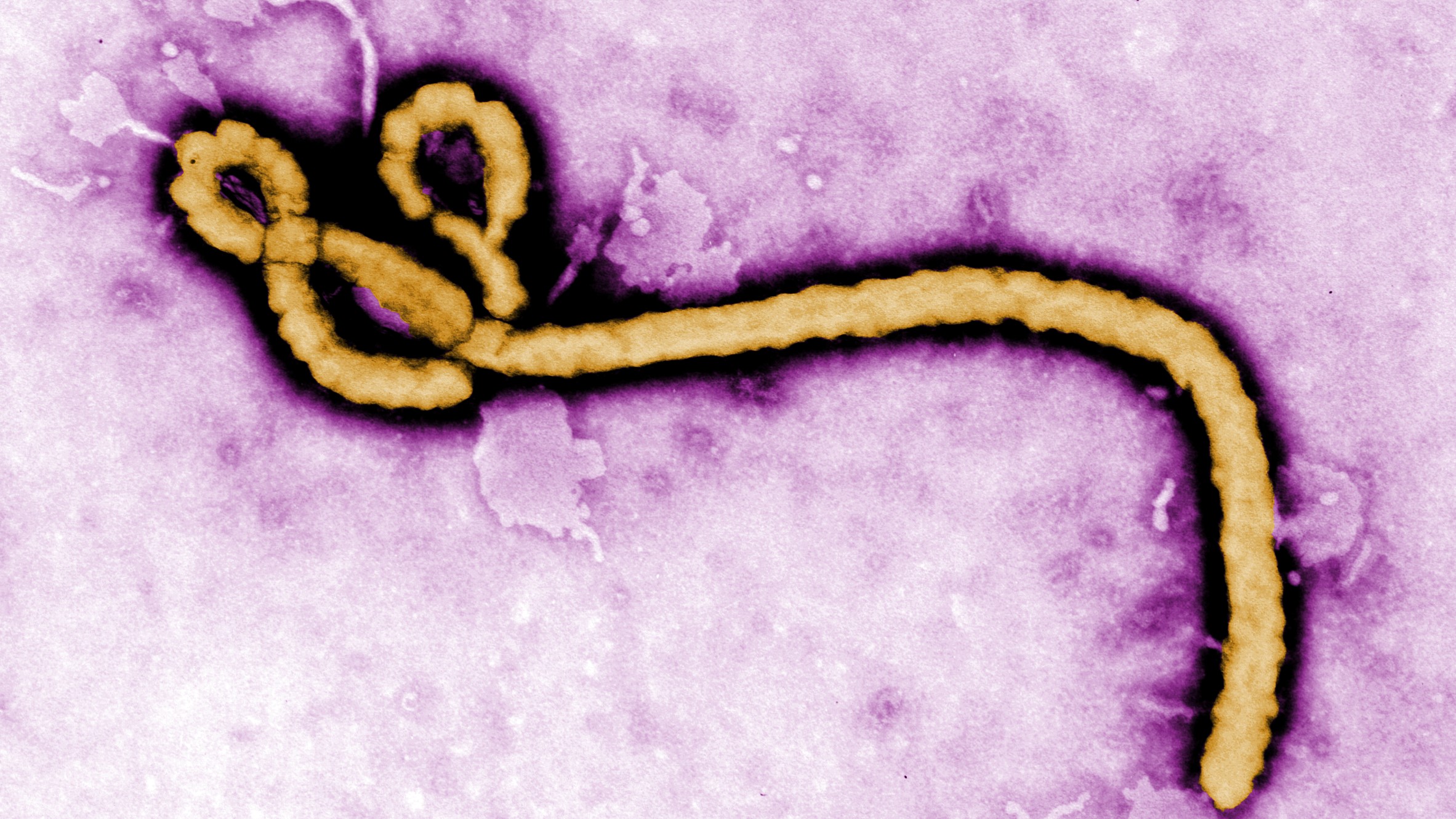
Ebola disease is a rare but life-threatening infection caused by a group of viruses known as orthoebolaviruses (formerly called ebolaviruses). These viruses belong to the Filoviridae family and were first identified in 1976 during simultaneous outbreaks in Zaire (now the Democratic Republic of the Congo) and Sudan (now South Sudan). Under a microscope, orthoebolaviruses appear as long, filamentous particles that give the family its name — "filo" meaning thread-like.
Four species of orthoebolavirus are known to cause disease in humans: Ebola virus (Orthoebolavirus zairense), which causes Ebola virus disease; Sudan virus (Orthoebolavirus sudanense), which causes Sudan virus disease; Taï Forest virus (Orthoebolavirus taiense); and Bundibugyo virus (Orthoebolavirus bundibugyoense). The current 2026 outbreak is caused by the Bundibugyo strain, for which no licensed vaccine or specific antiviral treatment currently exists.
How Ebola Is Transmitted: From Animals to Humans
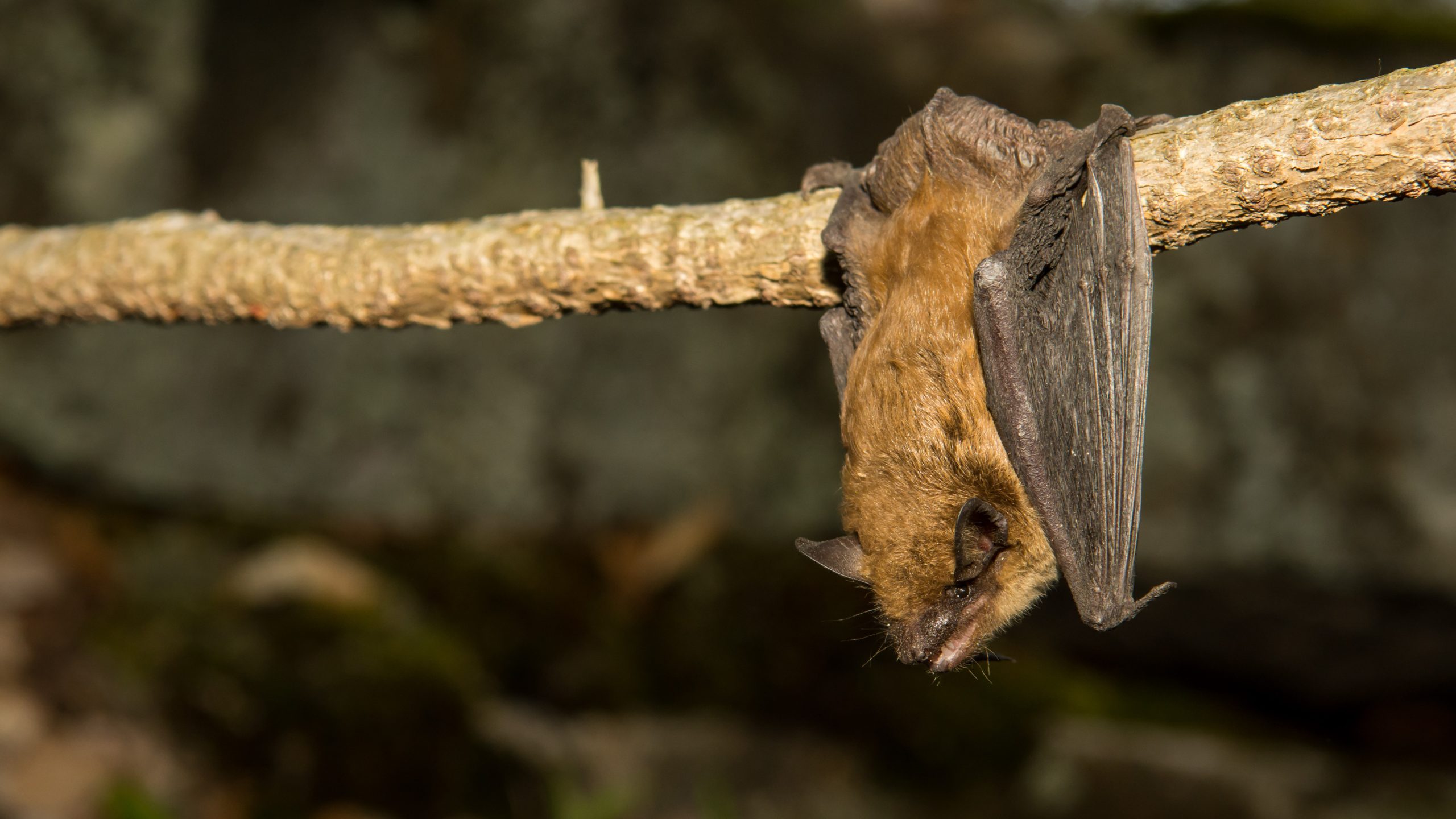
Ebola does not originate in humans. Scientists believe African fruit bats are the primary natural reservoirs of orthoebolaviruses, carrying the virus without showing symptoms. The virus can spill over from bats to other animals — including primates like chimpanzees, gorillas, and monkeys — and then to humans through contact with infected blood, organs, or other body fluids. This is known as a spillover event and is typically how outbreaks begin.
Once introduced into a human population, the virus spreads from person to person through direct contact with body fluids. The World Health Organization states that the virus transmits through blood, urine, feces, saliva, sweat, vomit, breast milk, amniotic fluid, semen, and vaginal fluids of infected individuals. Transmission requires broken skin or contact with mucous membranes in the eyes, nose, or mouth. Importantly, people cannot transmit the disease before they develop symptoms, and the incubation period ranges from 2 to 21 days, with symptoms typically appearing 8 to 10 days after exposure.
Contaminated objects — such as needles, bedding, and clothing that have touched infected body fluids — can also spread the virus. Funeral practices that involve direct contact with the body of someone who has died from Ebola have been a significant source of transmission during past outbreaks.
Symptoms: From Dry to Wet Phase
Ebola symptoms tend to appear suddenly and follow a recognizable progression. The illness typically begins with what medical professionals call "dry" symptoms, which are flu-like and easy to confuse with more common diseases such as malaria, influenza, or typhoid fever. The early symptoms include fever, severe headache, muscle and joint pain, weakness and fatigue, and sore throat.
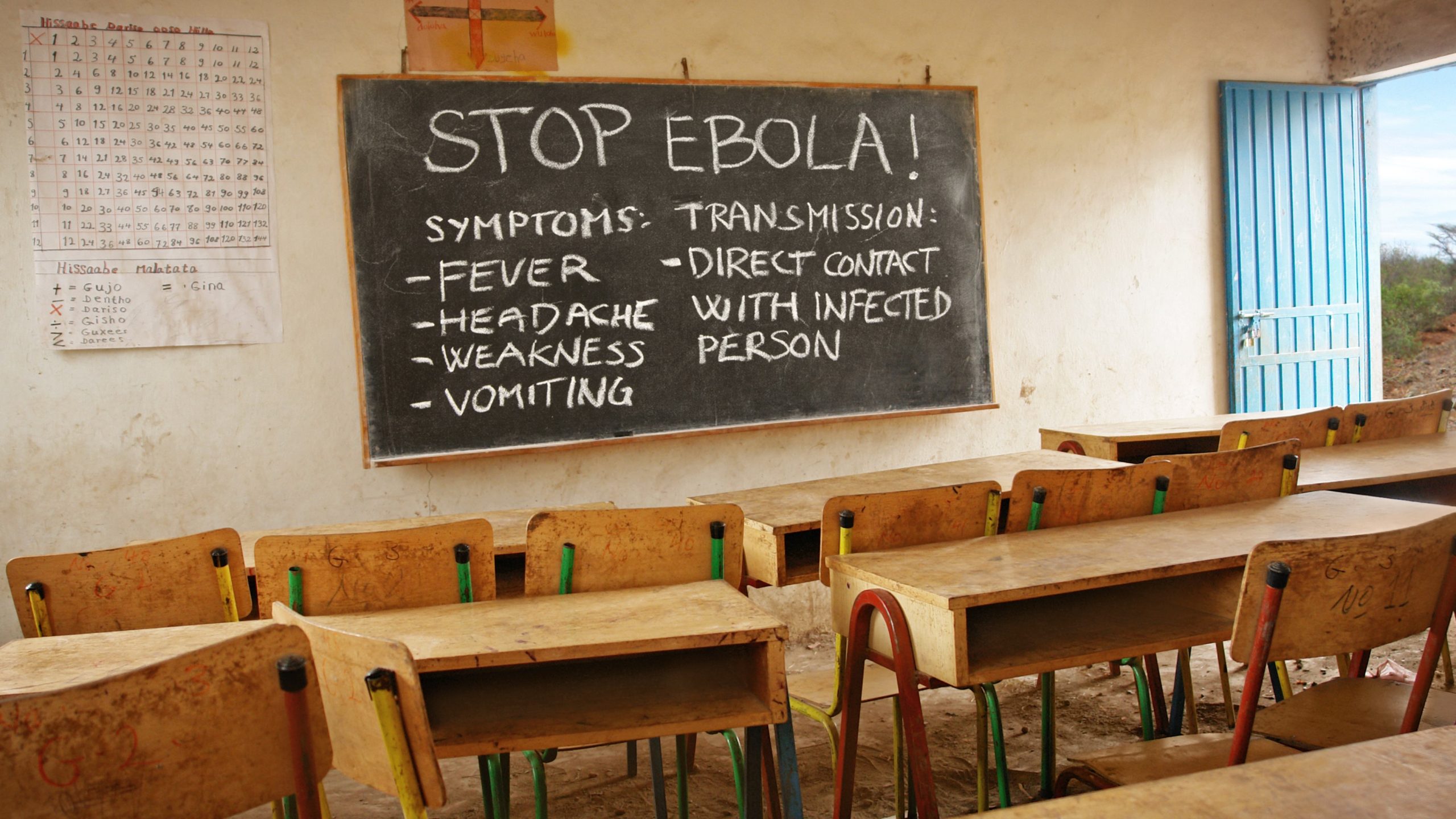
After about four to five days, the illness typically progresses to "wet" symptoms, which can be severe. These include diarrhea, vomiting, abdominal pain, nausea, and in many cases, unexplained bleeding or hemorrhaging. The hemorrhagic symptoms — which give Ebola its reputation as a hemorrhagic fever — result from a process called disseminated intravascular coagulation (DIC), where the virus damages blood vessels and disrupts the body's clotting ability. Patients may experience bleeding from the gums, nose, eyes, or ears, blood in vomit or stool, and a characteristic rash. The NHS also notes symptoms such as yellowing of the skin and eyes (jaundice) and extensive bruising across the body.
Treatment: What Options Are Available?
There is no cure for Ebola, but supportive care significantly improves survival rates. Early medical intervention is critical. Treatment focuses on maintaining hydration, replacing lost electrolytes, stabilizing blood pressure and oxygen levels, and treating any secondary infections. The WHO recommends fluid and electrolyte replacement, symptom management, and treatment of complications.
Two monoclonal antibody treatments — Inmazeb (atoltivimab/maftivimab/odesivimab-ebgn) and Ebanga (ansuvimab-zykl) — are approved by the FDA for treating Ebola virus (Zaire strain) disease. However, for the Bundibugyo strain causing the current 2026 outbreak, no specific antiviral treatments are available, making supportive care and infection control the primary strategies.
Vaccination: Protection Against Ebola
The U.S. Food and Drug Administration has approved ERVEBO® (rVSV-ZEBOV) for the prevention of Ebola virus disease caused by the Zaire species (Orthoebolavirus zairense). This vaccine is recommended for adults 18 years and older who are at potential risk of exposure, including healthcare workers and people living in or traveling to outbreak areas. A second vaccine, developed by Johnson & Johnson, uses a two-dose regimen and has been deployed in some outbreak settings.
However, the current 2026 outbreak involves the Bundibugyo strain, for which no licensed vaccine exists. This has raised significant concern among global health officials. The WHO, the Africa CDC, and national authorities in DR Congo and Uganda are implementing containment measures including contact tracing, isolation, and community education while research into broader-spectrum vaccines continues.
Prevention: How to Stay Protected
For individuals traveling to or living in areas with known Ebola transmission, the Centers for Disease Control and Prevention and the NHS recommend the following preventive measures:
- Avoid direct contact with blood and body fluids of people who are sick or have died from Ebola
- Avoid contact with items that may have touched infected body fluids, such as clothing, bedding, and medical equipment
- Wash hands regularly with soap and water or use alcohol-based hand sanitizer
- Avoid handling wild animals, especially bats, monkeys, baboons, and chimpanzees
- Avoid eating raw or undercooked meat from wild animals in regions where Ebola is found
- Wash and peel fruit and vegetables before eating
- Use condoms during sex with someone who has recovered from Ebola, as the virus can persist in semen for months
- Monitor health for 21 days after returning from an area with an ongoing outbreak
Healthcare workers caring for Ebola patients face the highest risk and must use strict personal protective equipment (PPE), including gloves, gowns, masks, and eye protection, along with rigorous infection control protocols.
The 2026 Outbreak: What's Happening Now
The current outbreak, centered in the Ituri Province of the Democratic Republic of the Congo with suspected cases spreading into Uganda, has drawn global attention. As of May 16, 2026, WHO reported eight laboratory-confirmed cases, 246 suspected cases, and at least 80 suspected deaths, with 57 of those deaths concentrated in the Mongwalu health zone. The outbreak is caused by the Bundibugyo virus, a rarer strain first identified in 2007 in Uganda. Unlike the more common Zaire strain, Bundibugyo has no approved vaccine or specific treatment, making containment efforts especially challenging.
The WHO declaration of a Public Health Emergency of International Concern activates global coordination mechanisms, facilitates funding and resource mobilization, and urges affected countries to implement enhanced surveillance, cross-border collaboration, and community engagement strategies.
The Bottom Line: Key Points to Remember
- Ebola is a severe viral hemorrhagic fever with a high mortality rate, transmitted through direct contact with infected body fluids
- Symptoms appear 2-21 days after exposure and progress from flu-like illness to severe gastrointestinal symptoms and bleeding
- Fruit bats are the natural reservoir; spillover to humans occurs through contact with infected animals
- An FDA-approved vaccine exists for the Zaire strain but not for other strains like the Bundibugyo virus causing the 2026 outbreak
- Early supportive care significantly improves survival; there is no cure
- Good hygiene, avoiding contact with body fluids and wild animals, and monitoring health after travel are essential preventive measures