
Hair loss affects millions and can be distressing, but understanding why it happens is the first step toward managing it. In this guide, you'll learn common causes, how clinicians diagnose hair loss, treatment options including clinical trials, and practical next steps to consider.
What Causes Hair Loss
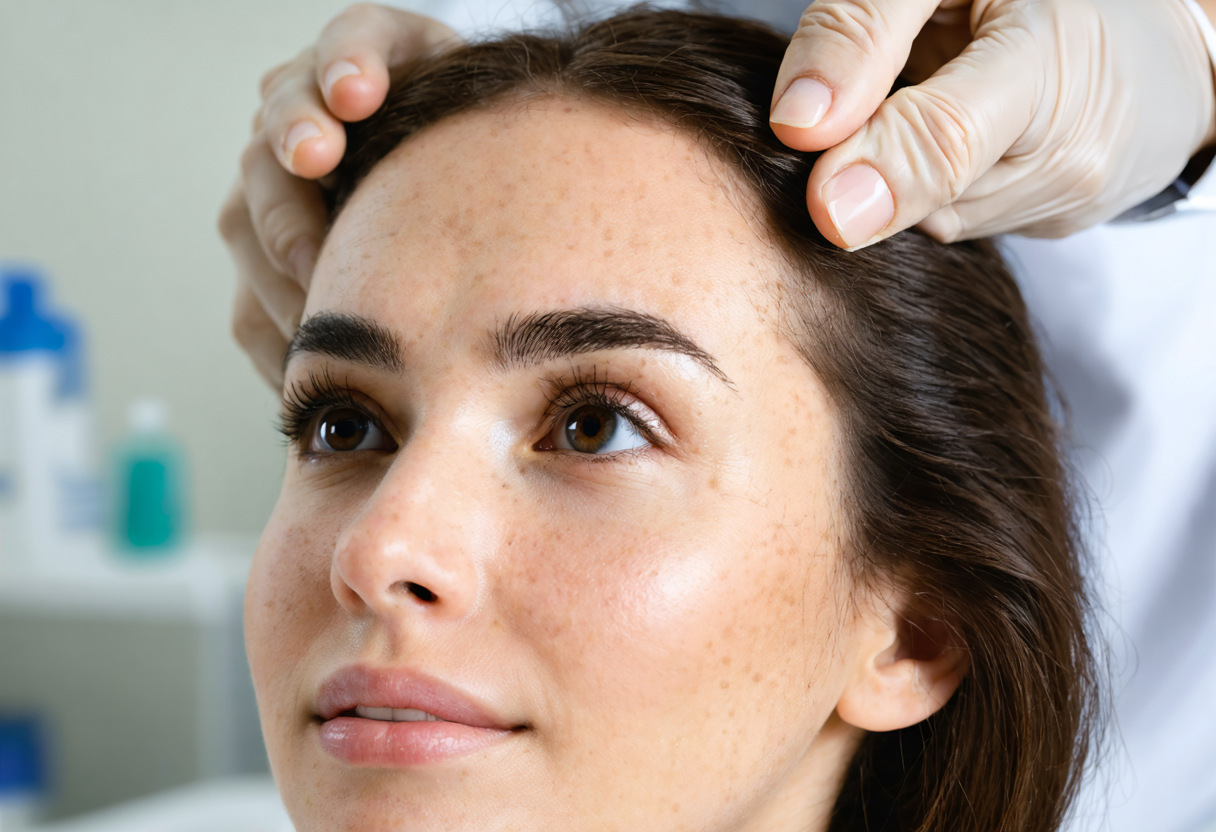
Hair loss, or alopecia, can result from many factors including genetics, hormones, medical conditions, medications, and stress. Androgenetic alopecia (pattern hair loss) is the most common form, affecting both men and women; according to the American Academy of Dermatology, it often follows predictable patterns. Additionally, conditions like thyroid disease, nutrient deficiencies, and autoimmune disorders can lead to diffuse or patchy hair loss, which is why a medical evaluation is often useful.
How Hair Loss Is Diagnosed

Diagnosis typically begins with a medical history and physical exam; your clinician will ask about family history, recent stressors, medications, and diet. They may perform simple tests such as a pull test, scalp biopsy, or blood work to check for underlying causes. For reliable information on evaluation and options, you can refer to resources like the Mayo Clinic and the NIAMS at NIH, which outline common diagnostic steps and red flags for referral.
Treatment Options and Emerging Research

Treatment depends on the cause: topical minoxidil and oral finasteride can help many with pattern hair loss, while addressing nutrient deficiencies or thyroid issues may reverse other types. Moreover, research into new therapies—such as platelet-rich plasma, low-level laser therapy, and novel drug candidates—is active. If you're interested in cutting-edge options, clinical trials are a way to access experimental treatments and sometimes receive compensation; search the ClinicalTrials.gov registry for up-to-date listings and eligibility criteria. Consult a healthcare professional before starting any new therapy.
How to Find and Qualify for Paid Clinical Trials

Joined trials often have specific inclusion and exclusion criteria, and compensation varies by study. To find trials near you, begin with trusted registries and local academic centers. The following steps can help you get started:
Steps to Prepare for Trial Screening

Below are practical steps to prepare before you contact a study team:
Hair loss has many causes and several evidence-based treatments, and participating in clinical trials can be a route to new options and possible compensation. Review reputable sources like the ClinicalTrials.gov, talk with a dermatologist, and consider trial participation only after discussing risks and benefits. Consult a healthcare professional for personalized advice and, if you're curious about paid hair regrowth clinical trials, explore listings and preparation steps to see if a trial might be right for you.