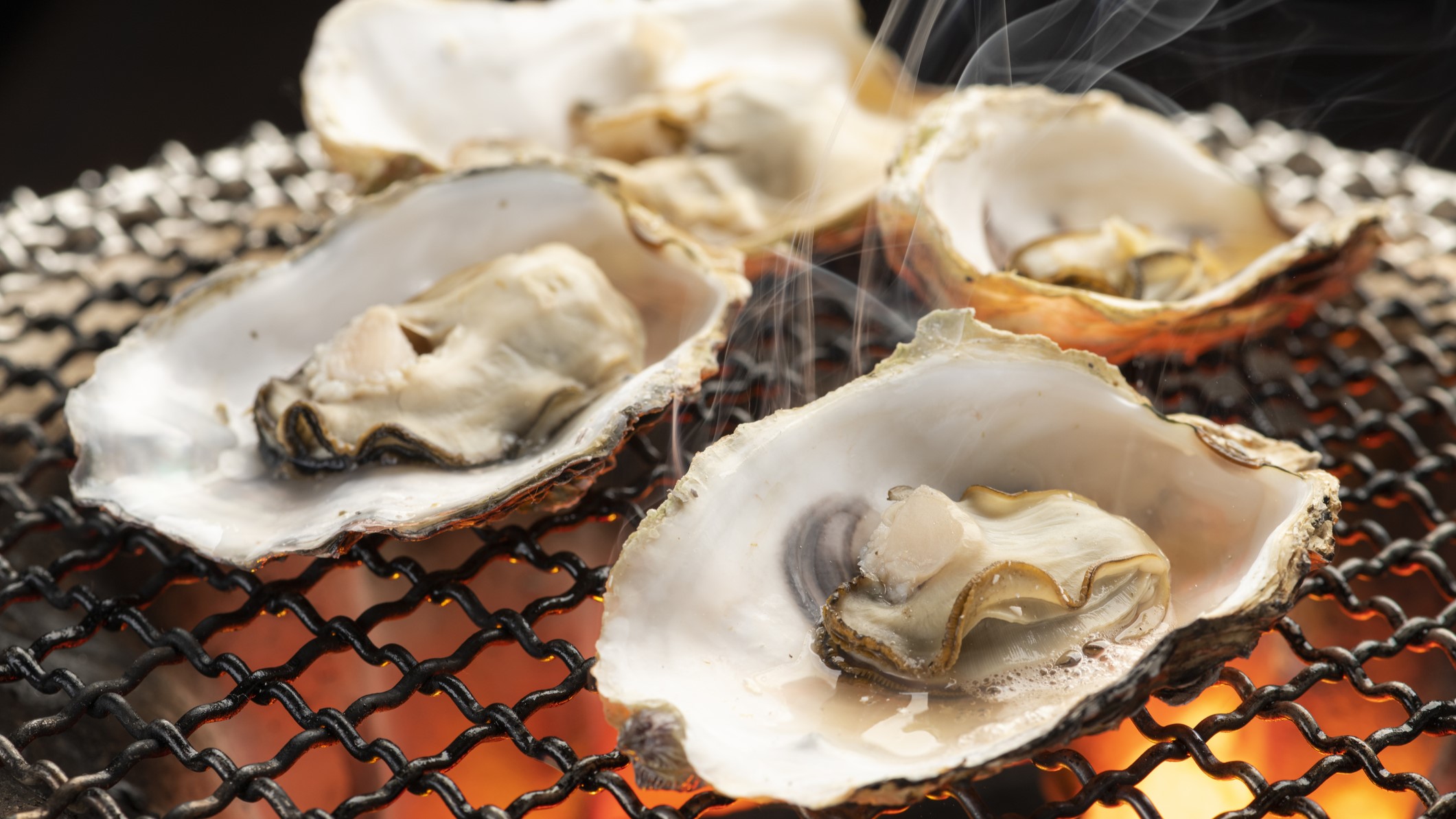
If you love raw oysters on the half shell, it might be time to rethink that order. Vibrio vulnificus — a bacteria that thrives in the warm coastal waters of the Gulf of Mexico — is making headlines as cases spike across Louisiana and the Gulf Coast. Often called "flesh-eating bacteria" in media reports, this microscopic threat is responsible for an estimated 80,000 cases of vibriosis each year in the United States, with over 52,000 of those tied directly to contaminated food, according to the CDC. For anyone committed to healthy eating and smart food choices, understanding what Vibrio vulnificus is and how to avoid it isn't just useful — it could be lifesaving.
Vibrio vulnificus naturally lives in saltwater and brackish water — the mix of fresh and salt water found where rivers meet the ocean, common all along the Louisiana coastline. The bacteria multiply rapidly when water temperatures climb, peaking between May and October. Oysters are particularly dangerous because they feed by filtering water, concentrating Vibrio bacteria inside their tissues. Here's the unsettling part: an oyster contaminated with Vibrio vulnificus doesn't look, smell, or taste any different from a perfectly safe one. There is simply no way to tell by appearance alone whether the oyster on your plate carries a potentially deadly pathogen.
The statistics are sobering. While most Vibrio infections cause relatively mild symptoms — watery diarrhea, stomach cramps, nausea, vomiting, fever, and chills — Vibrio vulnificus is in a different league entirely. About 1 in 5 people who contract a Vibrio vulnificus infection die from it, sometimes within just a day or two of becoming ill. Those who survive often face intensive care stays, surgical removal of infected tissue, or even limb amputation. The infection can enter the body in two primary ways: through eating raw or undercooked seafood, particularly oysters, or through open wounds exposed to coastal waters or raw seafood juices.

Who Faces the Highest Risk from Vibrio Vulnificus?
Not everyone who encounters Vibrio vulnificus will get severely ill, but certain groups face dramatically higher danger. The CDC identifies several conditions that significantly increase risk: liver disease, cancer, diabetes, HIV, and thalassemia all make severe complications more likely. People receiving immune-suppressing therapies, those taking medications that reduce stomach acid, and anyone who has recently undergone stomach surgery are also at elevated risk. Even seemingly minor behaviors can raise your odds — eating raw seafood, exposing open wounds to coastal waters, or handling raw seafood with bare hands when you have cuts or scrapes.
What makes liver disease particularly concerning is that Vibrio vulnificus has a special affinity for iron. Individuals with liver conditions often have elevated iron levels in their blood, creating an environment where the bacteria can multiply explosively. For these high-risk individuals, the guidance from health experts is unambiguous: avoid raw oysters entirely. No exceptions. The risk simply isn't worth it when the potential outcome can be fatal within 48 hours.
How to Protect Yourself: Smart Seafood Safety Rules
The good news is that preventing Vibrio infection is straightforward. The single most effective measure is to never eat raw or undercooked oysters or other shellfish. Hot sauce and lemon juice — popular accompaniments at raw bars — do not kill Vibrio bacteria, contrary to common belief. Neither does drinking alcohol alongside your oysters. The only reliable way to eliminate the bacteria is through proper cooking.
For shellfish still in the shell, the CDC recommends boiling until the shells open, then continuing to boil for an additional 3 to 5 minutes. Alternatively, add them to a steamer that's already producing steam and cook for another 4 to 9 minutes. Crucially, only eat shellfish that open during cooking — discard any that remain closed. For shucked oysters, boil for at least 3 minutes, fry in oil at 375°F for at least 3 minutes, broil 3 inches from heat for 3 minutes, or bake at 450°F for 10 minutes. Fish should reach an internal temperature of 145°F or cook until the flesh separates easily with a fork.
Wound protection is equally important. If you have any open wounds — including recent cuts, scrapes, surgery sites, piercings, or tattoos — stay out of saltwater and brackish water entirely. If contact is unavoidable, cover wounds with waterproof bandages. After any exposure to coastal waters or raw seafood, wash thoroughly with soap and clean running water. Those at increased risk should wear protective clothing and shoes that guard against cuts and scrapes when near coastal waters. Even everyday activities like fishing, wading at the beach, or walking along the shoreline can expose you if you're not careful.

Recognizing the Warning Signs Before It's Too Late
Speed matters when it comes to Vibrio vulnificus. Knowing the symptoms can mean the difference between a treatable infection and a life-threatening emergency. For gastrointestinal cases, watch for watery diarrhea, stomach cramping, nausea, vomiting, fever, and chills — these typically appear within 24 hours of eating contaminated food. While unpleasant, these symptoms often resolve without antibiotics in otherwise healthy people, provided they stay hydrated.
The more dangerous manifestations involve bloodstream infections and wound infections. Bloodstream infection signs include fever, chills, dangerously low blood pressure, and blistering skin lesions. Wound infections present with fever, redness, pain, swelling, warmth, discoloration beyond normal bruising, and discharge of fluids. If you experience any of these symptoms — especially after eating raw seafood or exposing a wound to coastal waters — seek emergency medical care immediately. Do not wait. Healthcare providers should be told about any recent raw seafood consumption or contact with coastal waters, as this information can accelerate proper diagnosis and treatment.
The Bottom Line: What Every Healthy Eater Should Know
For anyone committed to fitness, wellness, and smart nutrition, the Vibrio vulnificus threat reinforces a fundamental food safety principle: knowing where your food comes from and how it's prepared matters. Oysters and shellfish can absolutely be part of a healthy, protein-rich diet — but only when properly cooked. The risk of consuming them raw is not theoretical; it kills roughly one in five people who develop severe infections. If you have any underlying health condition that compromises your immune system or liver function, the CDC's advice is clear: skip raw shellfish entirely. The decision to avoid these foods isn't about deprivation — it's about making an informed choice that protects your long-term health and fitness goals. Because staying healthy isn't just about what you eat. It's also about what you choose not to eat.