Kratom has moved from a niche botanical curiosity to a substance sold openly in gas stations, smoke shops, and online stores — yet millions of people are still asking a basic question: what is kratom? Derived from the leaves of a tree native to Southeast Asia, kratom produces effects that can resemble both stimulants and opioids, which is why the National Institute on Drug Abuse (NIDA) describes it as a legal but unapproved substance that is "accessible in many areas." The question gained fresh urgency in September 2026, when law enforcement in Oxford, Mississippi, announced an investigation into the deaths of two University of Mississippi students after packaged kratom was found at both scenes. This guide explains what kratom is, how it works in the body, what it feels like, and what researchers know about its safety.
What Is Kratom, Exactly?
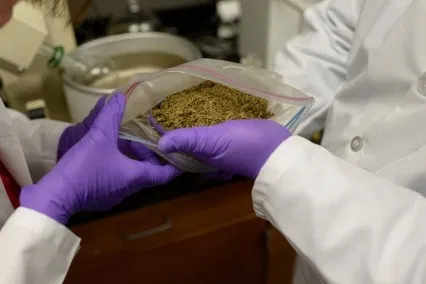
"Kratom" refers to both Mitragyna speciosa, the tropical tree from which it comes, and the products made from its leaves and sold as herbal supplements. People generally consume it in one of four ways: swallowing raw plant matter in capsules or powder, stirring the powder into food or drinks, brewing the leaves as a tea, or taking a liquid extract. Anthropologists say the plant has been used for centuries in Southeast Asia as a traditional remedy and as a way to boost energy and alertness during long workdays and social gatherings. Its spread into Western markets is much newer: NIDA notes that an expanding number of vendors and rising case reports suggest kratom use has grown over roughly the past two decades. According to the 2021 National Survey on Drug Use and Health, an estimated 1.7 million Americans aged 12 or older — about 0.6% of that population — reported using kratom in the previous year.
How Kratom Works in the Body and Brain
Kratom leaves contain many bioactive compounds called alkaloids, but the two most studied are mitragynine and 7-hydroxymitragynine (often shortened to 7-OH). When a person consumes kratom, the body breaks mitragynine down into 7-OH. Both compounds activate mu-opioid receptors — the same cellular targets acted on by opioids such as oxycodone and heroin — but the resulting effects only partially match those of classic opioids.
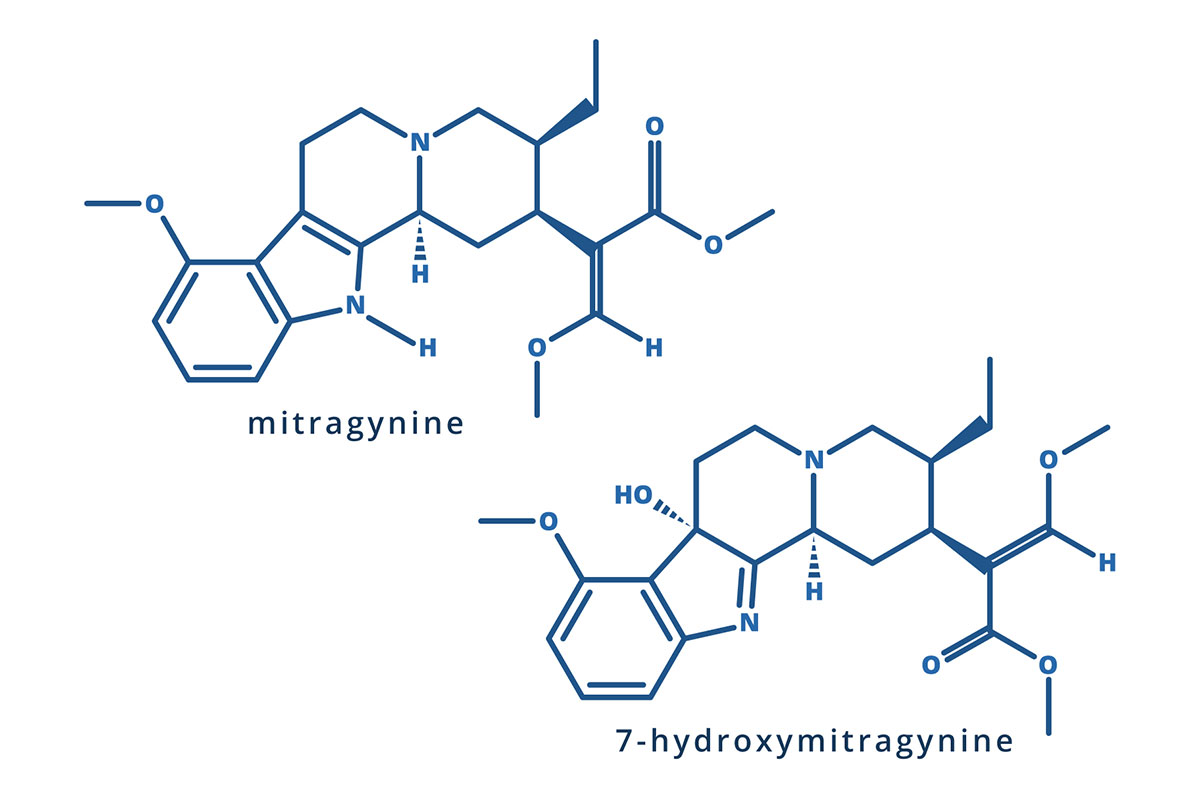
Importantly, NIDA reports that neither kratom leaves nor mitragynine appear to trigger the severe breathing suppression that defines a life-threatening opioid overdose. That is partly because the conversion of mitragynine into 7-OH happens slowly enough to limit its impact on respiration. Scientists have also found that mitragynine can bind to adrenergic, serotonin, and dopamine receptors, which may explain the energizing, mood-lifting effects some users describe. Because kratom products vary widely in their concentration and combination of compounds, its overall effects are difficult to predict.
What Kratom Feels Like and Why People Use It
Users tend to describe two overlapping sets of effects. In smaller amounts, many report stimulant-like effects, including increased energy, alertness, and a faster heart rate. In larger amounts, reports shift toward opioid- or sedative-like effects such as relaxation, pain relief, and confusion — although studies have not yet proven that these differences are purely dose-dependent. The most common reasons people cite for using kratom are managing pain, easing symptoms of anxiety and depression, reducing fatigue, and, notably, self-treating opioid withdrawal symptoms and cravings. Surveys indicate most users report multiple motivations rather than a single one.
Is Kratom Safe? Risks, Side Effects, and Contaminants
The consensus among health authorities is cautious. The U.S. Food and Drug Administration has approved no uses for kratom, and the Mayo Clinic bluntly calls it "unsafe and ineffective." Reported mild side effects include nausea, constipation, dizziness, and drowsiness. More serious effects documented in case reports — though rare — include confusion, tremors, seizures, high blood pressure, slowed breathing, and liver problems. Regular, long-term use in large amounts has also been linked to serious liver injury in a small, unpredictable minority of users.
A major concern is that kratom products are essentially unregulated, and researchers have found some contaminated with heavy metals and harmful bacteria such as Salmonella. Interactions with other drugs matter too: many people who use kratom also use other substances or take prescribed medications, and combining substances has been associated with severe outcomes including death and liver damage. When it comes to fatal overdose, kratom alone appears to pose a far lower risk than opioids: a 2019 analysis identified 11 U.S. deaths between 2011 and 2017 associated with kratom exposure, only two of which involved kratom alone — versus more than 200,000 opioid-related overdose deaths during the same window.
Is Kratom Addictive? What About Withdrawal?
Kratom's potential for dependence is an active area of research. Because mitragynine and 7-OH partially activate the same receptors as drugs with known addictive potential, some experts urge caution. Yet NIDA notes that the way kratom compounds activate those receptors may reduce addiction risk relative to opioids, and animal studies suggest the two main compounds may differ in their addictive potential. In anonymous surveys, a minority of users report experiencing withdrawal symptoms when they stop regular use — generally described as mild to moderate — and an even smaller share report symptoms resembling a substance use disorder. There are currently no approved medical treatments specifically for kratom-related withdrawal.
Is Kratom Legal?
Kratom's legal standing depends on where you are. Some countries have banned or restricted it, and a handful of U.S. states and localities have enacted their own restrictions. At the federal level, however, kratom is not on the controlled substances schedule. The Drug Enforcement Administration calls it a "drug of concern," and in 2021 the World Health Organization's Expert Committee on Drug Dependence concluded there was insufficient evidence of harm to justify international control, though it keeps kratom under surveillance. In practice, that means kratom products remain widely available online and in stores across much of the United States.
Why Kratom Is in the News: The Ole Miss Investigation
Interest in "what is kratom" surged in September 2026 after a developing story out of Oxford, Mississippi. Lafayette County Metro Narcotics said it was investigating the deaths of two University of Mississippi students found at separate locations, and that packaged kratom sold from a retail store was recovered at both scenes. Officials were careful to avoid drawing a causal link. "We do not have confirmed information indicating that kratom or any other substance was a contributing factor in either death," the agency said, adding that local, state, and federal partners were collaborating to gather facts "as quickly and responsibly as possible." The university confirmed both deceased individuals were students and urged the community not to speculate. Law enforcement is handling the deaths as two separate, ongoing investigations.
The Bottom Line: What to Know About Kratom
- Kratom is a Southeast Asian tree whose leaves are sold as an unregulated herbal supplement in powder, capsule, tea, and extract form.
- It acts on mu-opioid and other brain receptors, producing a mix of stimulant- and opioid-like effects.
- It has no FDA-approved medical use; health authorities describe it as unsafe and ineffective.
- Serious side effects are rare but possible, and products may contain heavy metals or bacteria.
- Fatal overdose from kratom alone appears extremely rare, but dependence and withdrawal affect a minority of users.
- Kratom remains legal in much of the U.S. and is classified as a "drug of concern" by the DEA.