
Parkinson's disease is a progressive neurodegenerative disorder that affects nearly 10 million people worldwide, making it the second most common neurodegenerative disease after Alzheimer's. It develops when nerve cells in a specific region of the brain called the substantia nigra begin to deteriorate and die, leading to a critical shortage of dopamine — a chemical messenger essential for controlling movement, coordination, and emotional responses.
While the disease was first described by Dr. James Parkinson in 1817 in his essay "An Essay on the Shaking Palsy," researchers are still working to fully understand it. What is clear is that Parkinson's is a complex condition that affects each person differently, with symptoms and progression rates varying widely from one individual to another.
The Biology Behind Parkinson's: Understanding What Goes Wrong
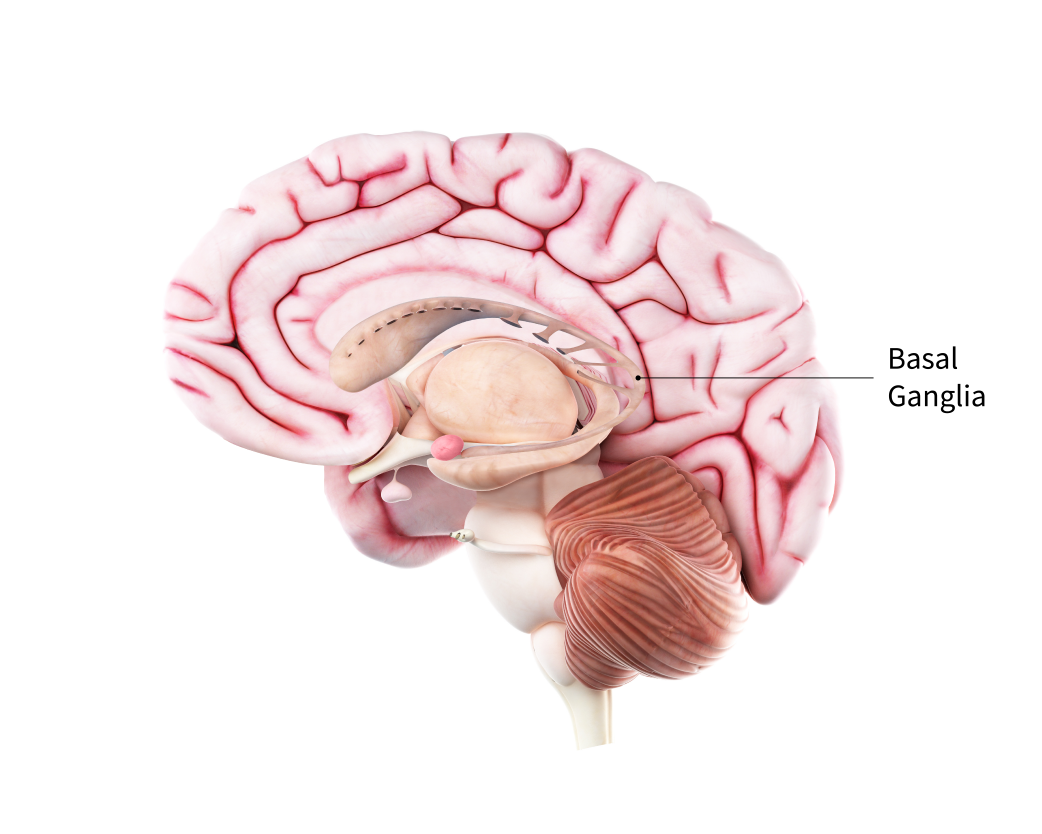
To understand Parkinson's disease, it helps to know what's happening inside the brain. The substantia nigra, which means "black substance" in Latin, is a small region deep in the brain that produces dopamine. Dopamine acts as a messenger between brain cells, helping to coordinate smooth, purposeful movement.
In Parkinson's disease, the dopamine-producing neurons in the substantia nigra gradually die off. By the time motor symptoms appear, a person has typically lost 60 to 80 percent of these neurons. This loss leads to the classic movement problems associated with the disease. But the story doesn't end there — people with Parkinson's also lose nerve endings that produce norepinephrine, the chemical messenger that helps regulate heart rate, blood pressure, and other automatic functions of the body.
Another key feature is the presence of Lewy bodies — unusual clumps of a protein called alpha-synuclein that build up inside brain cells. These protein deposits are considered a hallmark of Parkinson's disease and are believed to play a role in the death of neurons, though scientists are still working to understand their exact function.
The Four Main Symptoms: More Than Just a Tremor
Parkinson's disease is best known for its motor symptoms, and it has four primary ones that doctors look for during diagnosis.
Tremor — a rhythmic, involuntary shaking that typically starts in one hand or arm, often described as a "pill-rolling" tremor where the thumb and finger rub together. However, not everyone with Parkinson's develops a tremor, and contrary to popular belief, the tremor often lessens during purposeful movement.
Muscle stiffness (rigidity) — muscles remain contracted and resist movement, causing stiffness that can make everyday tasks like turning over in bed or getting out of a chair difficult. This can also cause a stooped posture and aching muscles.
Slowness of movement (bradykinesia) — movements become slower and more deliberate. Simple tasks like buttoning a shirt or walking may take much longer. This is often one of the most disabling symptoms.
Impaired balance and coordination (postural instability) — problems with balance and coordination can lead to a tendency to fall. People may develop a characteristic shuffling gait, leaning forward with small, quick steps.
Beyond these motor symptoms, Parkinson's can cause a wide range of non-movement symptoms including depression, anxiety, sleep problems, loss of sense of smell, constipation, fatigue, and cognitive changes. In later stages, some people develop Parkinson's dementia, a form of Lewy body dementia that affects memory and thinking.
What Causes Parkinson's? Genetics, Environment, and Unknown Factors
The exact cause of Parkinson's disease remains unknown, but research points to a combination of genetic and environmental factors. Only about 10 to 15 percent of cases are thought to have a genetic link, and several specific gene mutations have been identified, including mutations in the LRRK2, PARK2, PARK7, PINK1, and SNCA genes.
Environmental factors may also play a role. Some studies have linked exposure to certain pesticides, herbicides, and industrial chemicals to an increased risk of developing Parkinson's. Head trauma has also been identified as a possible risk factor. However, for most people, there is no single identifiable cause.
Age is the greatest known risk factor. The average age of onset is around 60, and the risk increases with age. Men are about 1.5 times more likely to develop Parkinson's than women. About 5 to 10 percent of people develop early-onset Parkinson's before age 50, and these cases are more likely to have a genetic component.
How Is Parkinson's Disease Diagnosed?
There is no single test for Parkinson's disease. Diagnosis is made by a neurologist based on a person's medical history, a review of symptoms, and a neurological and physical examination. The presence of two or more of the four main motor symptoms is usually required for diagnosis.
Sometimes doctors use dopamine transporter (DAT) scans, which can help differentiate Parkinson's from other conditions with similar symptoms. Brain scans like MRI can also help rule out other disorders. One of the most telling diagnostic clues is whether symptoms improve after treatment with levodopa — a positive response strongly suggests Parkinson's disease.
Treatment Options: Managing Symptoms and Improving Quality of Life
Although there is currently no cure for Parkinson's disease, a range of treatments can help manage symptoms and maintain quality of life for many years.
Levodopa — often considered the gold standard treatment. Levodopa is converted into dopamine in the brain, replenishing the brain's dwindling supply. It is typically combined with carbidopa, which prevents the levodopa from being broken down before it reaches the brain and reduces side effects like nausea. Most people with Parkinson's will take levodopa at some point in their treatment journey.
Dopamine agonists — medications like pramipexole and ropinirole mimic the effects of dopamine in the brain. They are often used in early-stage Parkinson's or as an adjunct to levodopa.
MAO-B inhibitors — medications such as selegiline and rasagiline that help prevent the breakdown of dopamine in the brain.
Amantadine — an antiviral drug that can help reduce involuntary movements (dyskinesias) caused by long-term levodopa use.
Deep brain stimulation (DBS) — a surgical treatment where electrodes are implanted in specific areas of the brain and connected to a pacemaker-like device in the chest. The device sends electrical pulses to disrupt abnormal brain signals. DBS can be highly effective for people whose symptoms are not well controlled by medication alone.
Physical therapy, occupational therapy, and speech therapy play crucial roles in maintaining function. Exercise is particularly important — studies show that regular physical activity can slow the progression of symptoms and improve quality of life.
Living with Parkinson's: What to Expect
Parkinson's disease is progressive, meaning symptoms worsen over time. However, the rate of progression varies greatly between individuals. Many people with Parkinson's continue to live full, active lives for years after diagnosis, especially with proper treatment and support.
Early-stage Parkinson's may cause only mild symptoms that don't significantly interfere with daily life. As the disease progresses, symptoms become more noticeable and may require adjustments to medications. In advanced stages, some people may require assistance with daily activities and may experience complications such as falls or difficulty swallowing.
Support groups can be invaluable for people living with Parkinson's and their caregivers. Organizations like the Parkinson's Foundation, the Michael J. Fox Foundation, and the National Institute of Neurological Disorders and Stroke offer educational resources, support services, and information about clinical trials.
The Future of Parkinson's Research
Research into Parkinson's disease is advancing rapidly. Scientists are exploring new treatment approaches including gene therapy, stem cell therapy, and immunotherapies that target the abnormal alpha-synuclein protein. There is also growing interest in identifying biomarkers that could allow for earlier diagnosis and better tracking of disease progression.
The Michael J. Fox Foundation has been instrumental in funding research, including the landmark Parkinson's Progression Markers Initiative (PPMI), which is following thousands of people with and without Parkinson's to identify biomarkers. Recent studies have also highlighted the potential role of the gut microbiome in Parkinson's, opening up new avenues for understanding and potentially treating the disease.
According to a 2025 study published in the BMJ, the global prevalence of Parkinson's disease is projected to increase by 76 percent by 2050, making research and treatment advances more urgent than ever. However, with growing awareness, improved treatments, and promising research, there is hope for better outcomes for future generations.
Key Points to Remember
- Parkinson's disease is a progressive neurodegenerative disorder caused by the loss of dopamine-producing neurons in the brain
- The four main symptoms are tremor, muscle stiffness, slowness of movement, and impaired balance
- Non-motor symptoms including depression, sleep problems, and cognitive changes are common and often appear before motor symptoms
- There is no cure, but medications like levodopa can effectively manage symptoms for many years
- Deep brain stimulation is a surgical option for advanced cases
- Exercise, physical therapy, and support services are essential components of care
- Most people are diagnosed after age 60, but early-onset cases can occur
- Research into new treatments and biomarkers continues to advance