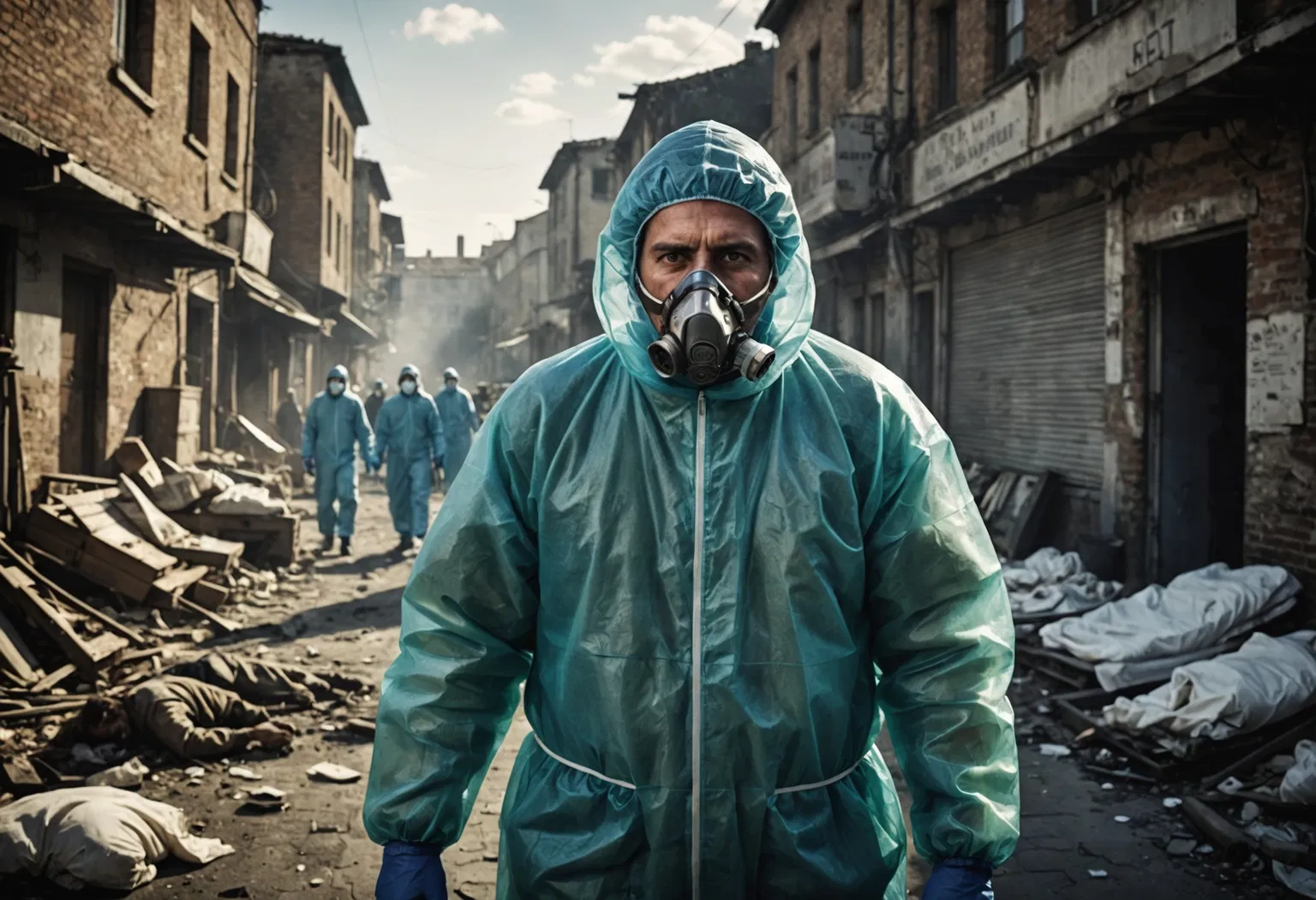
A fatal laboratory accident in Siberia has pushed one of history's most feared diseases back into the headlines and placed nearly 200 people under medical observation. Darya Shipilova, a 28-year-old assistant at the Irkutsk Anti-Plague Institute in Russia, died on the night of October 2, 2026, two days after being admitted to hospital with severe pneumonia. Russian media report that she had accidentally broken a test tube containing live Yersinia pestis — the bacterium that causes pneumonic plague — while collecting samples. The case triggered quarantines and mask mandates at medical facilities across the Irkutsk region and drew attention from the White House, which said it was closely monitoring reports. It is also a stark reminder that pneumonic plague, the rarest and deadliest form of plague, is not just a medieval disease: it still exists, and it remains one of the most dangerous bacterial lung infections known to medicine.
What Is Pneumonic Plague, Exactly?
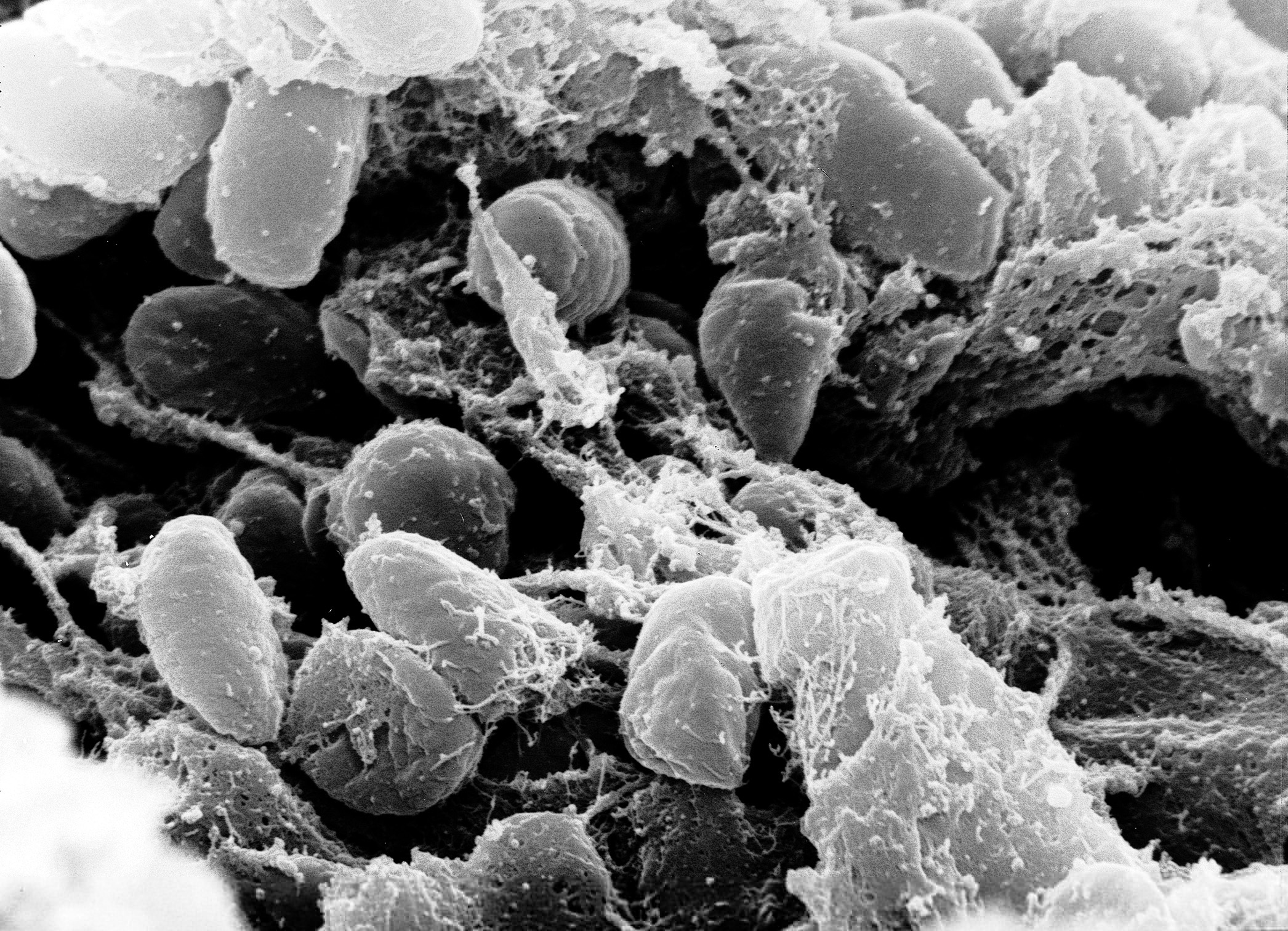
Pneumonic plague is one of three forms of plague, an infectious disease caused by the bacterium Yersinia pestis. The other two are bubonic plague, which infects the lymph nodes and produces the swollen lumps known as buboes that became infamous during the Black Death, and septicemic plague, which infects the bloodstream. Pneumonic plague is what occurs when the same bacteria invade the lungs.
It develops in one of two ways. Primary pneumonic plague occurs when a person inhales the bacteria directly — by breathing in infectious respiratory droplets from an infected person or animal, or, as authorities suspect in the Irkutsk case, by inhaling aerosolized bacteria inside a laboratory. Secondary pneumonic plague occurs when untreated bubonic or septicemic plague spreads through the bloodstream to the lungs. According to the World Health Organization, pneumonic plague is the most virulent form of the disease and the only one that can pass directly from one person to another.
How Pneumonic Plague Spreads From Person to Person
Many people associate plague with fleas, and that is accurate for bubonic plague, which is usually transmitted when an infected rodent flea bites a human. Pneumonic plague is different — and far more dangerous — because it can move through the air. When a person with pneumonic plague coughs or sneezes, they expel droplets containing Yersinia pestis, and anyone nearby who inhales those droplets can become infected. This person-to-person respiratory transmission is what makes pneumonic plague a potential public-health emergency and why authorities moved quickly to trace contacts after the Irkutsk death.
The incubation period is short — usually one to three days after exposure, although plague in general can take anywhere from two to eight days to appear. Once symptoms begin, however, the disease can progress with alarming speed.
The Symptoms That Set Pneumonic Plague Apart
Pneumonic plague often begins like a severe case of flu, which is why early infections can be mistaken for ordinary pneumonia. Symptoms typically include a sudden fever, headache, weakness, and rapidly worsening pneumonia marked by chest pain, shortness of breath, and a cough that may produce bloody or watery sputum. As the infection takes hold, patients can develop respiratory failure and shock.
The WHO warns that untreated pneumonic plague can be fatal within 18 to 24 hours of symptom onset. Without antibiotics, the mortality rate approaches 100 percent. Even with treatment, the disease remains serious: an analysis of modern cases found a death rate of roughly 17 percent among patients who received antibiotics — far higher than most bacterial infections.
A Disease With a Long and Deadly History
Plague is best known for the Black Death, which killed more than 25 million people in fourteenth-century Europe. That pandemic was driven largely by the bubonic form, but pneumonic plague has produced its own devastating outbreaks, including a massive epidemic in Manchuria in 1910 and 1911 that killed an estimated 60,000 people. Today, plague is still present in rodent populations in parts of Africa, Asia, and the Americas. The WHO reports that most human cases between 2019 and 2025 occurred in the Democratic Republic of the Congo and Madagascar. In July 2025, an Arizona resident died of pneumonic plague in Coconino County — the first such death there since 2007.
Inside the Irkutsk Case: How the Scare Unfolded
The events in Siberia began in late September 2026 and unfolded quickly. Here is the timeline:
- Around September 25: Darya Shipilova reportedly breaks a test tube containing live Yersinia pestis while collecting samples at the Irkutsk Anti-Plague Institute.
- September 29: She is admitted to Shelekhov District Hospital with symptoms of severe pneumonia and placed on a ventilator.
- Night of October 2: Shipilova dies. Russian health authorities initially describe the cause as pneumonia of unknown origin.
- Early October: Authorities place between 189 and 197 contacts under medical observation, and several hospitals and medical facilities in the Irkutsk region are placed under quarantine, with mask mandates introduced.
Russia's public health agency, Rospotrebnadzor, has said the epidemiological situation "remains stable" and has attributed the death to pneumonia, while local media and international outlets describe the case as a suspected pneumonic plague infection. The White House confirmed it was closely monitoring reports of a possible outbreak — a sign of how seriously even a single laboratory-acquired plague case is treated worldwide.
How Pneumonic Plague Is Treated
The most important thing to know about pneumonic plague is that it is treatable if caught early. Antibiotics are the foundation of care, and time is the critical factor. In the United States, first-line treatments are gentamicin and fluoroquinolones such as ciprofloxacin and levofloxacin, according to the CDC. Streptomycin and doxycycline are also effective. Treatment generally lasts 10 to 14 days.
Because the disease moves so quickly, doctors often begin antibiotics as soon as pneumonic plague is suspected, before laboratory confirmation. People who have been in close contact with a patient may be given preventive antibiotics as well. The sooner antibiotics are started, the better the chance of survival.
How to Prevent Infection
For most people, the risk of contracting pneumonic plague is extremely low, but prevention is essential for those who live in or travel to areas where plague is endemic, and for laboratory workers who handle the bacteria. Preventive steps include avoiding contact with wild rodents and their fleas, keeping household pets free of fleas, and using appropriate protective equipment in high-risk settings. Because pneumonic plague spreads through respiratory droplets, anyone with a suspected infection should be isolated, and caregivers should wear properly fitted masks.
There is no widely available commercial vaccine for plague today, although older vaccines have existed and research continues. For people exposed to a confirmed case, post-exposure antibiotics are the main preventive measure.
Where Things Stand in Russia Now
As of early October 2026, no new plague cases had been reported among the roughly 190 people under observation, and some reports indicated that quarantine measures were being lifted after authorities found no additional infections. That outcome highlights both the danger of the bacterium and the effectiveness of rapid contact tracing and isolation. Pneumonic plague has not disappeared from the modern world, but with prompt treatment and strong public-health measures, individual cases and outbreaks can be contained.
Key Takeaways
- Pneumonic plague is caused by Yersinia pestis infecting the lungs and is the rarest and deadliest form of plague.
- It is the only form of plague that spreads directly from person to person, through coughs and sneezes.
- Symptoms include sudden fever, headache, weakness, and rapidly worsening pneumonia with a bloody cough.
- Untreated, it can kill within 18 to 24 hours; antibiotics such as gentamicin and fluoroquinolones are highly effective when given early.
- The October 2026 Irkutsk lab-worker death was linked to a broken test tube of live bacteria, not a natural outbreak, and no secondary cases have been reported.