When 24-year-old Rachel Apa collapsed near mile 24 of the New York City Marathon on Sunday, November 1, 2026, the tragedy put a rare but serious condition called rhabdomyolysis into the national spotlight. Apa, of Lewisberry, Pennsylvania, was running her first marathon and was just two miles from the finish line in Central Park when she went down. A bystander performed CPR and race staff used a defibrillator, but paramedics were unable to save her, and she was pronounced dead at a nearby hospital. Her father later told reporters the cause was rhabdomyolysis — a condition in which damaged muscle tissue breaks down and leaks proteins into the bloodstream, sometimes overwhelming the kidneys.
Her death has left many people asking a difficult question: how does a seemingly healthy young athlete collapse from a rare muscle condition during a race? The answer begins with understanding what rhabdomyolysis is, how it develops, and why it can become life-threatening so quickly.
What Happened on Marathon Sunday
The New York City Marathon is one of the largest in the world, drawing more than 50,000 runners who cover 26.2 miles through all five boroughs before finishing in Central Park. Rachel Apa was among the first-time participants on November 1, 2026. According to multiple reports, she was approaching the 24-mile mark in Central Park — roughly two miles from the finish — when she experienced a medical emergency and collapsed.
Bystanders and race medical staff responded quickly: a bystander performed CPR, race staff used an automated external defibrillator, and paramedics transported her to a nearby hospital. Despite those efforts, she was pronounced dead. Her father said the cause was rhabdomyolysis, a rare muscle condition that can be brought on by extreme exertion.
Medical experts emphasize that deaths from rhabdomyolysis during marathons are rare, and that many factors — heat, hydration, and how quickly someone receives treatment — influence the outcome. Still, the case is a reminder that rhabdomyolysis, while uncommon, is a genuine risk of extreme endurance exercise.
What Is Rhabdomyolysis, Exactly?
Rhabdomyolysis (often shortened to "rhabdo") is a condition in which skeletal muscle cells are damaged and rapidly break down. When these cells rupture, they spill their contents — including a protein called myoglobin, an enzyme called creatine kinase (CK), and electrolytes such as potassium — into the bloodstream.
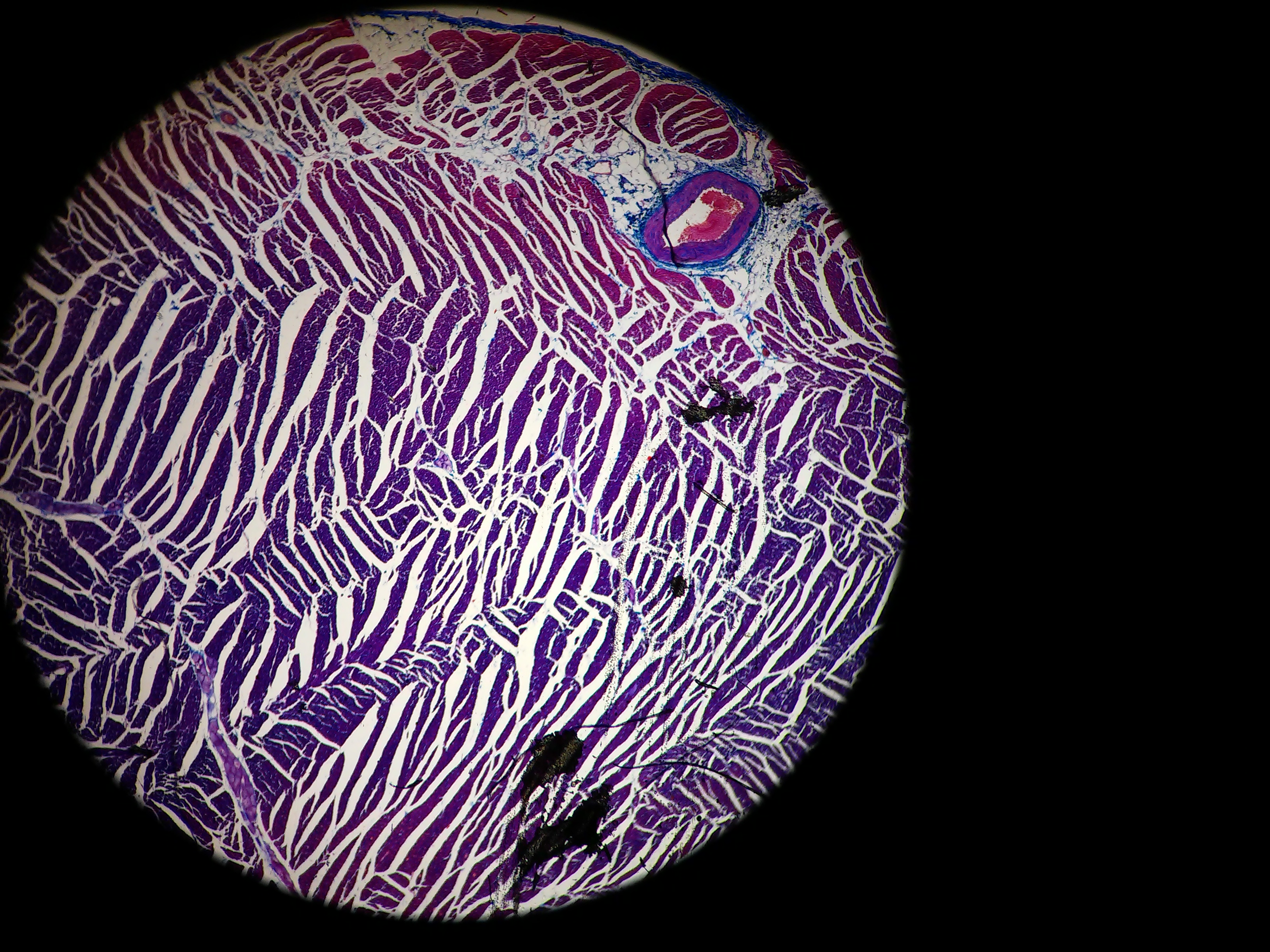
The name describes the process itself: "rhabdo" refers to striated (skeletal) muscle, "myo" means muscle, and "lysis" means breakdown or destruction. In a healthy body, myoglobin stays inside muscle cells, where it helps store and transport oxygen. Once muscle cells rupture and release myoglobin into the bloodstream, the protein becomes a serious problem, because the kidneys are not built to filter large amounts of it.
How Muscle Breakdown Turns Dangerous
The core danger of rhabdomyolysis is not the sore muscles themselves — it is what the released cell contents do to the rest of the body. Myoglobin can clog and injure the tiny filtering tubes of the kidneys, while a sudden rush of potassium into the blood can disrupt the heart's rhythm. Left untreated, severe rhabdomyolysis can cause acute kidney injury and, in the worst cases, kidney failure.
Estimates vary, but doctors note that up to 50% of people with significant rhabdomyolysis develop acute kidney injury, according to the Cleveland Clinic. Because so much fluid can be pulled into injured muscle — up to 12 liters in severe cases, according to the American Academy of Family Physicians — patients can also become dangerously dehydrated even while swelling. Most people recover with prompt treatment, but rhabdomyolysis is treated as a medical emergency precisely because of this kidney risk.
Warning Signs and Symptoms to Watch For
The classic signs of rhabdomyolysis are sometimes described as a triad, though not everyone experiences all three at once:
- Muscle pain, weakness, or stiffness that feels out of proportion to a normal workout
- Dark, tea-colored, brown, or cola-colored urine — the single most important red flag
- Feeling weak, fatigued, or generally unwell
Other possible symptoms include fever, nausea, dehydration, and urinating less than usual. The U.S. Centers for Disease Control and Prevention (CDC) advises seeking medical attention right away if you notice muscle pain, dark urine, and weakness or fatigue together — especially after intense exercise, an injury, or overheating.
One key distinction matters for athletes: normal post-workout soreness gets better over a day or two, while rhabdomyolysis pain tends to get worse, often with swelling and stiffness, and is frequently accompanied by that telltale change in urine color.
What Causes Rhabdomyolysis?
Rhabdomyolysis has many possible triggers, and exercise is only one of them. Common causes include:
- Intense or unaccustomed exercise, especially in the heat or after a long break from training
- Crush injuries or prolonged compression of a muscle
- Severe trauma, burns, or electrical injuries
- Seizures or other prolonged muscle contractions
- Heat exhaustion or heat stroke
- Certain medications and toxins, including statin drugs and some recreational drugs
- Inherited muscle disorders that make muscles more fragile
In runners and other athletes, exertional rhabdomyolysis is typically linked to doing too much, too soon. It tends to strike when someone pushes far beyond what their muscles are conditioned for — for example, a first-time marathoner racing 26.2 miles in warm conditions — and it becomes more likely with dehydration and heat.
How Rhabdomyolysis Is Diagnosed and Treated
Doctors usually suspect rhabdomyolysis from a person's symptoms and confirm it with a blood test that measures creatine kinase (CK). In a healthy person, CK is typically below about 150–200 U/L. In rhabdomyolysis, CK can climb to 1,000, 5,000, or even more than 100,000 U/L, depending on the extent of muscle damage. Urine tests can detect myoglobin, and blood work may reveal high potassium and other electrolyte imbalances.
The mainstay of treatment is aggressive hydration with intravenous (IV) fluids. Large volumes of fluid help flush myoglobin out of the kidneys and protect them from injury. Doctors also correct electrolyte imbalances and monitor for complications in other organs, including the heart. In severe cases where kidney function fails, temporary dialysis may be needed until the kidneys recover.
Recovery, Prevention, and Return to Exercise
With prompt treatment, most people recover from rhabdomyolysis, but the road back takes time. Many patients have lingering muscle weakness for several weeks, and returning to full activity can take weeks or even months. Doctors typically recommend a slow, gradual return to exercise under supervision.
Prevention comes down to sensible training habits:
- Build up exercise intensity gradually, especially after time off or when trying something new
- Stay well hydrated before, during, and after workouts
- Avoid intense exercise in extreme heat, or give your body time to acclimatize
- Never push through severe muscle pain, weakness, or dark urine — stop and get checked out
The Bottom Line: Key Points to Remember
- Rhabdomyolysis is the rapid breakdown of skeletal muscle that releases myoglobin and other cell contents into the blood.
- The biggest danger is kidney damage, which can occur in up to half of significant cases.
- Dark, tea-colored urine is the classic warning sign and should never be ignored.
- Treatment centers on IV fluids to protect the kidneys, and most people recover fully.
- Prevention means building up exercise gradually, staying hydrated, and listening to your body.