The New World screwworm — a parasitic fly species whose larvae feed on living flesh — has suddenly become a headline issue across the southern United States. On June 3, 2026, the USDA confirmed the first animal case of New World screwworm (NWS) in the United States since the pest was declared eradicated from North America in 1982. The infected animal was found in La Pryor, Texas, in Zavala County, marking a significant development in what experts describe as a northward-moving outbreak that began in Panama and Costa Rica in 2023. Here is everything you need to know about screwworms, how they infest animals, and what is being done to stop them.
What Exactly Is a Screwworm?
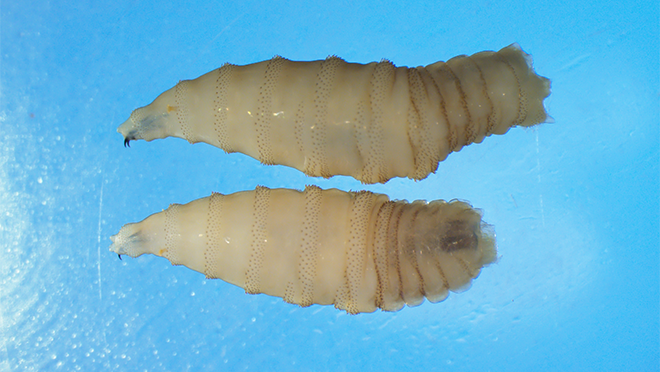
Despite its name, a screwworm is not a worm at all — it is the larval (maggot) stage of the New World screwworm fly, scientifically known as Cochliomyia hominivorax. The name "screwworm" comes from the larvae's distinctive feeding behavior: they burrow into living flesh like a screw being driven into wood, using sharp mouth hooks to tear into healthy tissue. Unlike most other fly maggots that feed only on dead or decaying flesh, screwworm larvae are obligate parasites — they require living tissue to survive. This makes them uniquely dangerous to livestock, pets, wildlife, and occasionally humans.
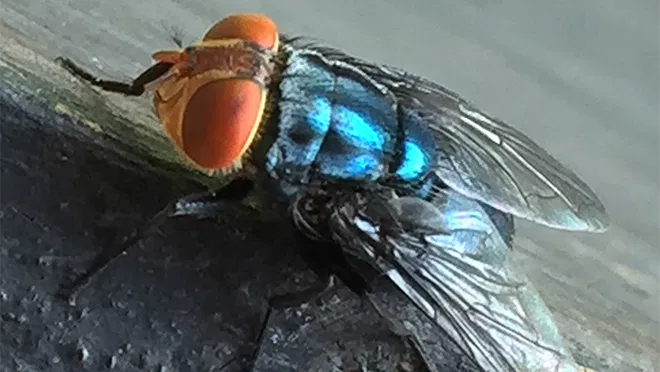
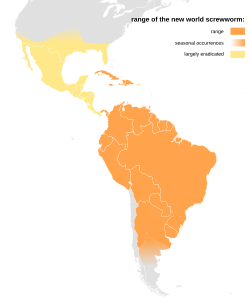
Adult screwworm flies are about twice the size of a common housefly, with orange-yellow faces and metallic blue or green bodies with three dark stripes running down their backs. They are primarily found in tropical and subtropical regions of South America and the Caribbean, though they have been steadily expanding northward.
The Life Cycle: How Infestations Happen
The screwworm life cycle is remarkably efficient, lasting only about 20 days from egg to adult under favorable conditions. Understanding each stage is critical for prevention and control.
Egg Stage: A female screwworm fly is attracted to the odor of an open wound or natural body opening — eyes, ears, nostrils, mouth, or genitals — on a live, warm-blooded animal. She lays between 250 and 500 eggs in a single cluster at the edge of the wound. A single female can lay up to 3,000 eggs during her lifetime and can fly up to 120 miles (200 km) searching for hosts.
Larval Stage: Eggs hatch within 12 to 24 hours. The newly emerged larvae immediately begin burrowing into the living tissue head-first, using sharp mouth hooks to tear and feed. As they grow, they "screw" deeper into the flesh, causing extensive tissue damage. If the wound is disturbed, larvae burrow even deeper. The feeding creates a progressively larger, foul-smelling wound that attracts more flies. This stage lasts 3 to 7 days.
Pupal Stage: Fully grown larvae drop from the wound to the ground and burrow into the soil to pupate. After about 7 days, adult flies emerge.
Adult Stage: Adult screwworm flies mate 4 to 5 days after emerging. Critically, females mate only once in their lifetime and retain the male's sperm for all subsequent egg-laying. This biological quirk is the key to the sterile insect technique, the primary tool used to eradicate screwworms. Males can mate up to ten times. The entire cycle then repeats.
How Screwworm Infestations Affect Animals and Humans
In livestock such as cattle, goats, sheep, and pigs, screwworm infestations typically begin at wound sites — including dehorning or castration wounds, navel of newborns, insect bites, or tick bites. The infestation causes a rapidly worsening wound with significant pain, swelling, and a characteristic foul odor from the combination of living and dying tissue mixed with bacterial infection. If left untreated, the infestation can lead to severe tissue destruction, secondary infections, and death.
Pets — especially dogs — are also vulnerable. Infestations can occur in the ears, eyes, or any skin wound. Wildlife such as deer are also at risk. Human infestations are rare but can occur, particularly in people with open wounds who live in or travel to affected areas. The CDC notes that human cases typically involve the eyes, ears, nose, mouth, or genital areas.
Treatment: Removing the Infestation
Treatment of screwworm infestations requires immediate veterinary intervention. The primary approach is physical removal of all visible eggs and larvae from the wound. After removal, the wound must be thoroughly cleaned with antiseptic solutions. Approved topical or systemic antiparasitic drugs may be administered to kill any remaining larvae and prevent reinfestation. In December 2025, the FDA conditionally approved a topical antiparasitic drug for cattle specifically to help prevent or treat NWS. The wound must be kept clean and protected from further fly strikes during healing. All suspected cases must be reported immediately to local public health or agricultural authorities.
Prevention: How to Protect Livestock and Pets
Prevention focuses on three main strategies. Wound management is the first line of defense — all wounds on animals should be promptly cleaned, treated, and protected with appropriate bandaging or fly repellents. This includes preventing navel infections in newborns and treating even minor cuts or insect bite wounds. Fly control involves reducing fly populations through proper manure management, insecticide use, and trapping. Animals in affected areas should be inspected daily for any signs of wounds or maggots. Movement controls have been implemented by USDA, including restrictions on livestock imports from affected regions and mandatory inspections of animals traveling from infested areas.
The Sterile Insect Technique: How the US Once Beat Screwworm
Perhaps the most fascinating chapter in the screwworm story is the development of the sterile insect technique (SIT) in the 1950s. Screwworm was the first pest species ever targeted with this revolutionary approach. The method works by rearing massive numbers of screwworm flies in dedicated facilities, exposing them to radiation to make them sterile, and then releasing them by air over affected areas. These sterile males mate with wild females — but because females mate only once, any female that mates with a sterile male produces no offspring. Over successive generations, the wild population crashes.
The technique was so successful that screwworm was officially declared eradicated from the United States in 1982, from Guatemala and Belize in 1994, and from Honduras in 1996. A barrier zone was maintained in Panama to prevent re-infestation from South America. However, in 2023, that barrier was breached, and the fly has steadily moved northward through every country in Central America and Mexico since.
Where Things Stand Now: The 2026 Texas Outbreak
The USDA confirmed the first U.S. animal case of the current outbreak in Zavala County, Texas, on June 3, 2026 — the first such case in the country since 1966. As of early June 2026, two confirmed cases have been reported in La Pryor and Zavala County, Texas. No locally acquired human infestations have been reported in the U.S. The CDC states that the risk to people remains low and localized to areas where NWS flies are circulating.
In response, the USDA's Animal and Plant Health Inspection Service (APHIS) has pledged emergency funding to prevent further northward migration. The U.S. government had already stopped livestock imports from Mexico in May and July 2025 to prevent infected animals from entering the country. The BBC reports that the current response plan focuses on deploying hundreds of millions of genetically-altered sterile flies — a modern version of the technique that worked so well in the 20th century — along with specially trained dogs that can detect infested animals.
What Happens Next: Can Screwworm Be Stopped Again?
Agricultural experts remain cautiously optimistic. The sterile insect technique has a proven track record, and the infrastructure for mass-producing sterile flies still exists. However, the current outbreak spans a much larger geographic area than previous incursions, and the fly has already established populations in Mexico close to the U.S. border. The USDA, CDC, and international partners are coordinating surveillance, treatment, and control efforts. For now, the most important action for livestock owners in southern states is vigilant wound monitoring and prompt reporting of any suspicious cases to local authorities.
Key Takeaways About Screwworm
- Screwworm is not a worm but the larval stage of the New World screwworm fly (Cochliomyia hominivorax) that feeds on living flesh.
- Infestations begin when female flies lay eggs in open wounds or body openings of warm-blooded animals.
- The entire life cycle takes about 20 days; a single female can lay up to 3,000 eggs and fly 120 miles.
- Treatment requires physical removal of all larvae plus antiparasitic medication.
- The sterile insect technique eradicated screwworm from the U.S. by 1982, but a new outbreak reached Texas in June 2026.
- Prevention relies on prompt wound care, daily animal inspections, and reporting suspected cases.