
Every summer, as ocean temperatures climb along the Gulf Coast, an invisible threat stirs in the warm, brackish waters of Louisiana. Vibrio vulnificus — a bacterium that health officials often describe as "flesh-eating" — thrives in these conditions, and each year it sends a small but significant number of people to emergency rooms with infections that can kill within 48 hours. Understanding what this bacterium is, how it infects the body, and most importantly, how to protect yourself, could truly save your life.
What Exactly Is Vibrio Vulnificus?
Vibrio vulnificus is a species of bacteria that naturally inhabits warm coastal waters, particularly in areas where freshwater rivers meet the salty ocean — exactly the kind of brackish environment found throughout Louisiana's coastline. It belongs to the same family as the bacterium that causes cholera, but Vibrio vulnificus causes a different and uniquely dangerous illness called vibriosis.
According to the CDC, about a dozen species of Vibrio can make people sick, but Vibrio vulnificus is by far the most deadly. While vibriosis overall accounts for an estimated 80,000 cases in the U.S. each year, Vibrio vulnificus infections are much rarer — Cleveland Clinic reports only about 100 to 200 cases annually across the country. However, what it lacks in frequency it makes up for in severity: approximately 1 in 5 people who contract a Vibrio vulnificus infection die from it, sometimes within a single day of becoming ill.
The bacteria are classified as halophilic, meaning "salt-loving." They flourish when water temperatures rise between May and October, making this the peak season for infections. In Louisiana, where warm Gulf waters and extensive coastal wetlands create an ideal habitat, the bacteria are a persistent public health concern.

Two Paths to Infection: How Vibrio Vulnificus Enters the Body
There are only two ways Vibrio vulnificus infects humans, and both are tied directly to the coastal environment where the bacteria live. Understanding these routes is essential to prevention.
The Food Route: The most common path to infection is through consuming raw or undercooked shellfish — overwhelmingly, raw oysters. Oysters feed by filtering large volumes of water, and in doing so they concentrate Vibrio bacteria inside their tissues. The CDC warns that you cannot tell if an oyster is contaminated just by looking at it, smelling it, or even tasting it. A contaminated oyster appears, smells, and tastes exactly like any other oyster. Once ingested, the incubation period is remarkably short — Cleveland Clinic notes it can take only a few hours for the bacteria to spread from the intestines into the bloodstream and other organs.
The Wound Route: The second infection pathway is through an open wound. If someone with a cut, scrape, recent tattoo, piercing, or surgical site enters coastal waters, Vibrio vulnificus can enter through that break in the skin. This includes activities as routine as wading at the beach or fishing off a pier. The CDC also warns that handling raw seafood and exposing wounds to its drippings or juices can transmit the bacteria.
Recognizing the Symptoms Before It's Too Late
One of the most dangerous characteristics of a Vibrio vulnificus infection is how quickly symptoms appear and escalate. According to both the CDC and Cleveland Clinic, symptoms usually begin suddenly — often in fewer than 24 hours after exposure — and they worsen rapidly.
For infections acquired through food, early symptoms include fever, chills, watery diarrhea, stomach cramps, nausea, and vomiting. These may initially resemble common food poisoning, which is part of what makes Vibrio vulnificus so treacherous. In severe cases, the infection progresses to the bloodstream, causing dangerously low blood pressure, confusion, a fast heart rate, and blistering skin lesions that can turn into necrotizing fasciitis — the so-called "flesh-eating" condition where tissue around a wound dies.
For wound infections, the signs are unmistakable: redness, swelling, warmth, intense pain, and fluid-filled blisters at the wound site. The blisters are often large, discolored, and painful. Without immediate treatment, the infection can lead to sepsis, septic shock, internal bleeding, organ damage, and the need for limb amputation.
The CDC's guidance is blunt: do not wait. If you have any of these symptoms after consuming raw seafood or exposing a wound to coastal waters, go to the emergency room immediately.
Who Is Most at Risk? Understanding the Danger Zones
While anyone can contract a Vibrio vulnificus infection, certain people face dramatically higher odds of severe illness or death. The CDC and Cleveland Clinic identify the following risk factors:
People with liver disease — including cirrhosis, hepatitis, or any chronic liver condition — are at the very top of the high-risk list. The liver plays a critical role in filtering bacteria from the blood, and a compromised liver leaves the body vulnerable to overwhelming infection. Other high-risk conditions include diabetes, chronic kidney failure, cancer, HIV, hemochromatosis (iron overload), and any condition or treatment that weakens the immune system. Even seemingly minor issues like taking medication to reduce stomach acid or having had recent stomach surgery can increase susceptibility.
Demographic patterns also emerge from the data. Cleveland Clinic notes that men are more likely than women to develop serious infections — though experts are not entirely sure why. People over the age of 40 also appear to face higher complication rates.
Occupation and lifestyle matter too. Fishermen, oyster harvesters, seafood handlers, and anyone whose job or hobbies bring them into regular contact with raw shellfish or coastal waters have increased exposure risk.
How to Protect Yourself: Prevention That Actually Works
Preventing Vibrio vulnificus infection comes down to two straightforward principles, but they require diligence:
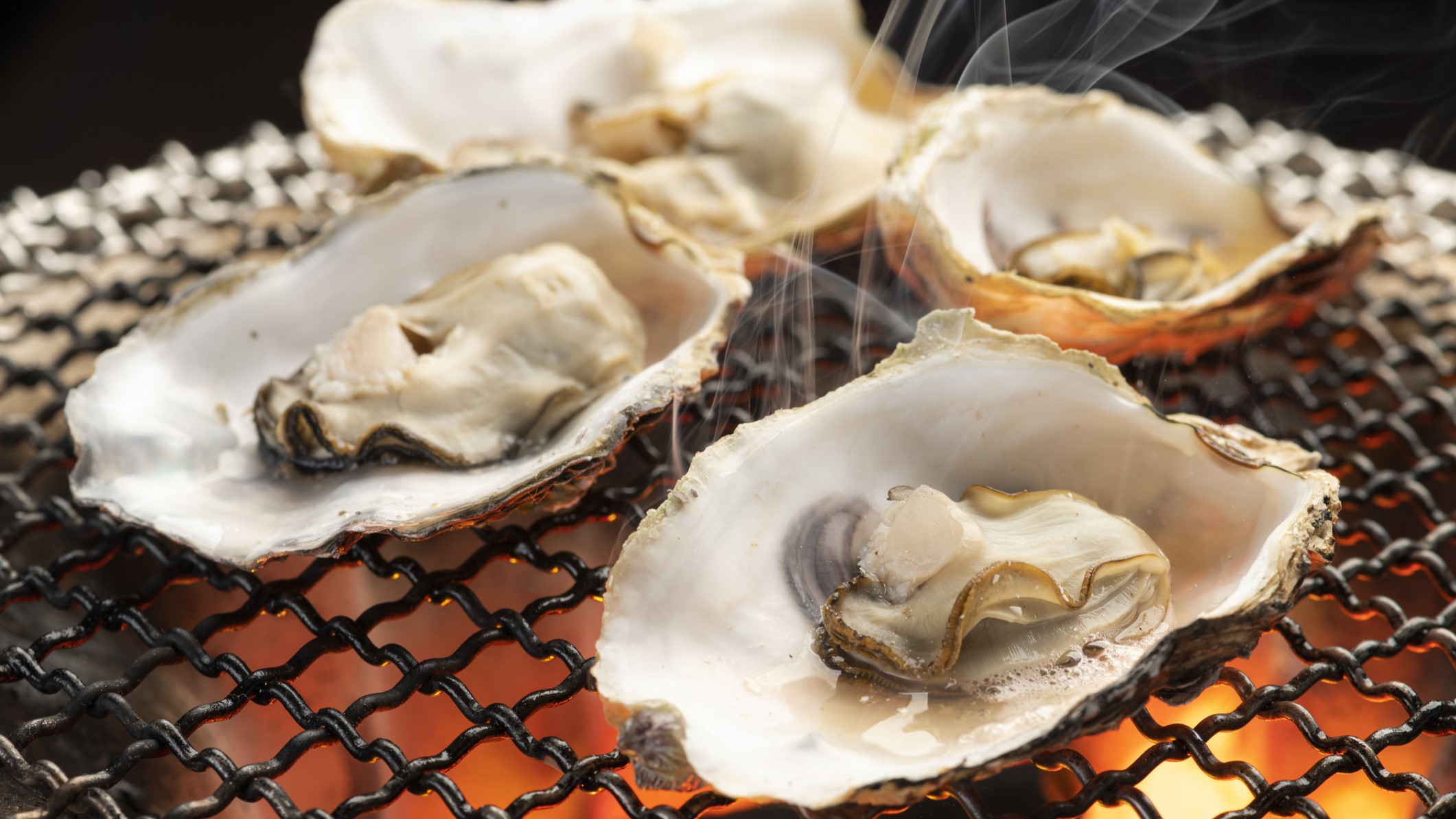
1. Cook All Shellfish Thoroughly. The CDC is unequivocal: do not eat raw or undercooked oysters or other shellfish. Popular myths about safety — such as the idea that hot sauce, lemon juice, or alcohol kill the bacteria — are false. The only reliable method is proper cooking. For oysters in the shell, boil until the shells open and continue boiling for another 3 to 5 minutes, or steam for 4 to 9 minutes. For shucked oysters, boil for at least 3 minutes, fry at 375°F for at least 3 minutes, broil 3 inches from heat for 3 minutes, or bake at 450°F for 10 minutes. Fish should be cooked to an internal temperature of 145°F.
2. Keep Open Wounds Away From Coastal Waters. If you have a cut, scrape, recent piercing, tattoo, or surgical wound, stay out of saltwater and brackish water entirely. If you cannot avoid contact — for instance, if you work on the water — cover wounds with a waterproof bandage. Wash any wound immediately and thoroughly with soap and clean running water after contact with coastal water, raw seafood, or its drippings. Wear protective gloves when handling raw shellfish, and wear protective footwear when wading in coastal areas.
What Treatment Looks Like — And Why Speed Matters
Vibrio vulnificus infections are treatable, but the window for effective intervention is narrow. Antibiotics — typically doxycycline, ceftazidime, cefotaxime, or ciprofloxacin — can cure the infection when administered early. However, because the infection progresses so rapidly, healthcare providers often begin treatment before lab results confirm the diagnosis, based on symptoms and the patient's history of seafood consumption or water exposure.
Beyond antibiotics, treatment can be aggressive and invasive. Surgical debridement — removing dead and infected tissue — is often necessary to stop the infection from spreading. In severe cases, amputation of affected limbs may be the only way to save the patient's life. Additional supportive care often includes intravenous fluids, oxygen therapy, and medications to stabilize dangerously low blood pressure.
This is not an infection that resolves on its own. Cleveland Clinic warns that earlier studies placed the mortality rate above 50%, and while modern medical care has improved outcomes, the current estimate of roughly 1 in 5 fatalities underscores just how serious this infection remains.
The Bottom Line: Key Points to Remember
- Vibrio vulnificus is a naturally occurring bacterium in warm coastal waters — it is not a result of pollution or contamination.
- Infection occurs through eating raw or undercooked shellfish (especially oysters) or exposing open wounds to coastal water.
- Symptoms appear rapidly — often within 24 hours — and include fever, chills, blistering skin lesions, and low blood pressure.
- About 1 in 5 people who contract a Vibrio vulnificus infection die from it; immediate emergency care is essential.
- People with liver disease, diabetes, or weakened immune systems face the greatest risk.
- Thorough cooking is the only way to make shellfish safe — hot sauce and lemon juice do not kill the bacteria.
- If you have an open wound, stay out of coastal waters, or cover it with a waterproof bandage.