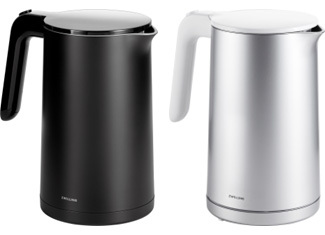
When you buy a kitchen appliance from a trusted brand, you expect it to work safely. But sometimes, even well-designed products develop defects that put consumers at risk. That's when product recalls come into play. In May 2026, Zwilling J.A. Henckels recalled over 157,000 electric kettles sold at Costco and HomeGoods after reports that handles were loosening and detaching, sending hot water spilling and causing second-degree burns. Here's how product recalls actually work and what this case reveals about the system that helps keep consumers safe.
The Zwilling Recall: What Happened and Why It Matters
On May 14, 2026, the U.S. Consumer Product Safety Commission (CPSC) announced a recall of ZWILLING Enfinigy 1.5-liter and Enfinigy Pro 1.5-liter electric stainless-steel kettles. The problem? The kettle's handle could loosen and separate from the body during use, causing hot contents to spill and posing a serious burn hazard. According to the CPSC, Zwilling had received 163 reports of handles loosening or separating, including five incidents of complete handle separation and one reported second-degree burn.
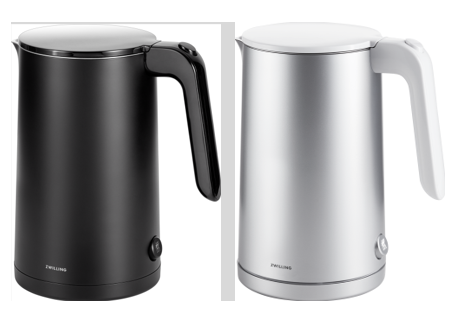
The recalled kettles — identified by model numbers 53101-200, 53101-201 (Enfinigy) and 53101-500 through 53101-504 (Enfinigy Pro) — were sold in black, silver, rose gold, and white at Costco and HomeGoods stores nationwide and online at zwilling.com from December 2019 through February 2026, priced between $120 and $200. About 113,440 units were sold in the U.S., with an additional 43,963 in Canada and 48 in Mexico. The company urged consumers to stop using the kettles immediately, cut the power cord, upload a photo as proof, and dispose of the product for a full refund.
Timeline: How the Zwilling Kettle Recall Unfolded
Product recalls don't happen overnight. They follow a careful process that can take months from the first sign of trouble to the public announcement. Here's the timeline of the Zwilling kettle recall:
- December 2019: The affected kettles first go on sale at Costco, HomeGoods, and Zwilling.com.
- Early 2024–2025: Consumers begin reporting handle issues. Zwilling receives complaints about handles loosening during use.
- March 23, 2026: Zwilling issues its initial product safety recall notice on its website, acknowledging that handles may loosen or break off, creating a scalding risk.
- May 14, 2026: The CPSC formally announces the recall in cooperation with Zwilling, providing full details on affected models, the nature of the hazard, and remedy instructions. By this point, 163 reports had been logged including five handle-separation incidents and one second-degree burn.
- May 19–20, 2026: Major news outlets including Fox Business, Good Housekeeping, and EatingWell publish articles about the recall, spreading awareness to consumers nationwide.
This timeline illustrates a critical point: recalls are typically the result of sustained monitoring. Complaints accumulate over time before crossing the threshold that triggers formal action.
Inside the Recall System: How Product Recalls Actually Work
The Zwilling kettle recall is a textbook example of how the CPSC recall process operates. Here's a step-by-step breakdown of how product recalls work in the United States:
Step 1: Discovery and Reporting
Recalls begin when a potential safety defect is identified. This can happen through consumer complaints, injury reports, company quality control testing, or reports submitted to the CPSC's database at SaferProducts.gov. In the Zwilling case, reports of handles loosening and detaching accumulated over years of use, eventually reaching 163 complaints. Companies are legally required to report potential product hazards to the CPSC within 24 hours of learning about them.
Step 2: Investigation and Risk Assessment
Once a potential defect is reported, the CPSC evaluates the risk. Investigators examine the product, analyze injury data, and determine whether the hazard is serious enough to warrant a recall. Hazards are classified by severity: Class A (serious risk of death or injury), Class B (less serious but still significant), and Class C (least likely to cause injury). The Zwilling kettle recall was classified as a burn hazard risk — a Class A concern given the potential for serious scalding injuries, especially to children or elderly users.
Step 3: Recall Strategy Development
If a recall is deemed necessary, the company works with the CPSC to develop a corrective action plan. This includes deciding the scope of the recall (which products, model numbers, production dates), the remedy (refund, repair, or replacement), and the notification strategy. Zwilling's chosen remedy was a full refund — requiring consumers to cut the kettle's cord, upload a photo, and dispose of the product. This is a common approach when the defect cannot be economically repaired in the field.
Step 4: Public Notification
The CPSC and the company issue a joint recall announcement, which is published on the CPSC website, distributed to news outlets, and shared through retailer channels. The Zwilling recall was announced on CPSC.gov on May 14, 2026, and quickly amplified by major media outlets. Retailers like Costco and HomeGoods also play a crucial role by notifying customers who purchased the product — often using purchase records to send direct emails or mailers.
Step 5: Corrective Action and Consumer Response
Consumers are instructed to stop using the product immediately and follow remedy instructions. In the Zwilling case, customers needed to visit zwilling.com/kettle-recall, cut the power cord, upload a photo, and then dispose of the kettle. Upon submitting proof, they would receive a full refund. This step is critical — a recall is only effective if consumers actually participate. Unfortunately, recall completion rates vary widely, often ranging from just 10% to 40% depending on the product type and the outreach methods used.
Step 6: Monitoring and Effectiveness Checks
After the recall is announced, the CPSC monitors its effectiveness. Companies must submit progress reports showing how many units have been returned or remediated. If participation rates are low, the CPSC may intensify public outreach or take additional enforcement actions, including lawsuits or civil penalties. The Zwilling recall remains active, and consumers who own the affected kettles are encouraged to act immediately.
Where Things Stand Now: Latest on the Zwilling Kettle Recall
As of late May 2026, the Zwilling kettle recall is in full effect. Consumers who own affected kettles (model numbers 53101-200, 53101-201, 53101-500, 53101-501, 53101-502, 53101-503, or 53101-504) are being urged to stop using them immediately. For U.S. customers, Zwilling has set up a dedicated website at zwilling.com/kettle-recall and a toll-free hotline at 866-963-4583. Customers can also email [email protected]. For Canadian consumers, a separate recall notice has been posted by Health Canada. The company has confirmed that all affected customers are entitled to a full refund, with no receipt required.
What Happens Next: The Future of Recall Safety
The Zwilling kettle recall is part of a broader trend in consumer product safety. The CPSC has been increasingly proactive in using data analytics to identify potential hazards before they escalate into widespread injuries. For manufacturers, recalls like this one highlight the importance of rigorous quality testing, especially for products that handle hot liquids or are used in households with children. For consumers, the key takeaway is clear: register your purchases, pay attention to recall notices, and act quickly when a recall is announced. The system only works when everyone participates — from regulators and manufacturers to retailers and consumers.
Key Takeaways: Everything You Need to Know About Product Recalls
- Recalls are systematic: They follow a structured six-step process from discovery through monitoring, designed to maximize consumer safety while minimizing disruption.
- The CPSC oversees most consumer product recalls: This federal agency works with companies to develop and enforce recall strategies for products posing safety risks.
- Reporting matters: The Zwilling recall was triggered by 163 consumer reports. If you experience a product defect, report it at SaferProducts.gov — your report could help prevent injuries.
- Act on recall notices: If you own a recalled product, stop using it immediately and follow the remedy instructions. Refunds are typically available even without a receipt.
- Register your purchases: Registering products with manufacturers is the fastest way to receive recall notifications directly.
- Completion rates are low: Most recalls see only 10–40% consumer participation. Don't assume someone else will take care of it — check your own home for affected products.
The Zwilling Enfinigy kettle recall reminds us that even premium kitchen brands can have defects. Understanding how the recall system works empowers you to respond appropriately — protecting yourself, your family, and contributing to a safer marketplace for everyone.