Daylight saving time for 2026 begins on Sunday, March 8, at 2 a.m. local time, when clocks across most of the United States and Canada will “spring forward” by one hour. This annual shift moves an hour of daylight from the morning to the evening, aiming to make better use of natural light during the longer days of spring and summer. The change will last for 238 days, ending on Sunday, November 1, 2026, when clocks “fall back” to standard time.
How Daylight Saving Time Actually Works
Daylight saving time (DST) is the practice of advancing clocks by one hour during the warmer months to extend evening daylight. The phrase “spring forward, fall back” helps people remember which direction to adjust their clocks. When DST begins, we set our clocks ahead one hour at 2 a.m., effectively moving an hour of daylight from the early morning to the evening. For example, if sunrise was at 6:09 a.m. and sunset at 5:41 p.m. the day before the change, after springing forward, sunrise becomes 7:08 a.m. and sunset shifts to 6:42 p.m.
The underlying idea is to align waking hours with natural daylight, reducing the need for artificial lighting and potentially saving energy. However, studies have shown the energy savings are minimal—about 0.03% according to a U.S. Department of Energy report—and the shift can disrupt sleep patterns and circadian rhythms.
The Surprising History Behind Daylight Saving Time
Daylight saving time was first implemented in the United States in 1918 as a wartime measure to conserve fuel during World War I. The concept dates back even earlier: Benjamin Franklin suggested something similar in 1784, but the first practical use occurred in Thunder Bay, Canada, in 1908. During World War II, the U.S. reintroduced DST year‑round to promote national security and defense.
After the war, observance became inconsistent until the Uniform Time Act of 1966 standardized the start and end dates across the country. Initially, DST began on the last Sunday of April and ended on the last Sunday of October. In 1974, amid an energy crisis, Congress experimented with year‑round DST, starting in January, but public disapproval led to a return to standard time by October of that year. The current schedule—starting on the second Sunday of March and ending on the first Sunday of November—was established in 2007.
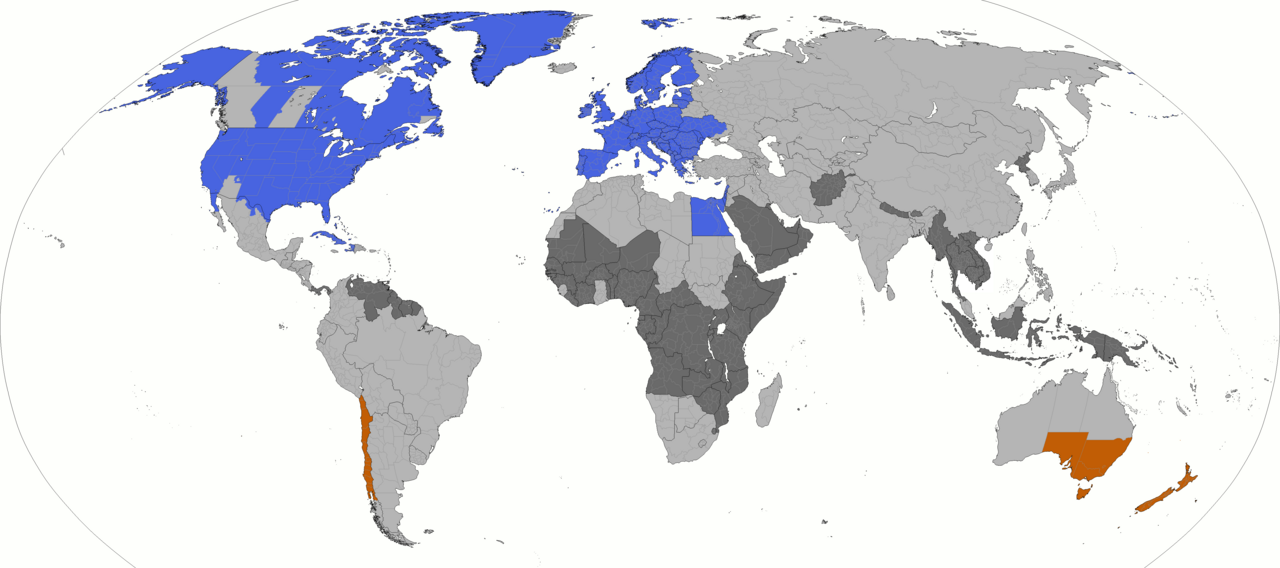
2026 Daylight Saving Time Schedule Around the World
In 2026, daylight saving time will begin at 2 a.m. local time on Sunday, March 8, across most of the United States and Canada. Clocks will “spring forward” to 3 a.m., and DST will remain in effect until 2 a.m. on Sunday, November 1, when they “fall back” to standard time.
European countries follow a different calendar: DST in the European Union starts on Sunday, March 29, 2026, and ends on Sunday, October 26, 2026. Australia’s DST schedule varies by state; for example, New South Wales, Victoria, South Australia, and Tasmania will end DST on Sunday, April 6, 2026. Many countries near the equator and in Asia and Africa do not observe DST at all.
Health Impacts: Why Losing an Hour Can Hurt
Even a one‑hour shift can unsettle the body’s internal clock, leading to sleep deprivation, increased stress hormones, and temporary spikes in heart attack and stroke risk. Studies have shown that the Monday after the spring transition sees a small but measurable rise in cardiovascular events. The mismatch between our internal circadian rhythm and external clock time can also affect mood, concentration, and overall well‑being for several days.
Sleep experts recommend gradually adjusting bedtime a few days before the change, seeking morning sunlight exposure, and avoiding caffeine and heavy meals close to bedtime to ease the transition.
The Ongoing Debate: Should We Stop Changing Clocks?
In recent years, momentum has grown to eliminate the twice‑yearly time change. The Sunshine Protection Act, which would make daylight saving time permanent nationwide, passed the U.S. Senate in 2022 but has not been enacted by the House of Representatives. Proponents argue that permanent DST would reduce energy use, boost economic activity in the evenings, and improve public health by ending the disruptive clock shifts.
Opponents, including sleep scientists, point out that permanent standard time would be better aligned with human circadian biology. Some states, like Hawaii and Arizona, already stay on standard time year‑round, and several other states have passed bills to adopt permanent DST if federal law allows it.
Which Places Don’t Observe Daylight Saving Time?
In the United States, Hawaii and Arizona (except the Navajo Nation) do not participate in daylight saving time. The territories of American Samoa, Guam, the Northern Mariana Islands, Puerto Rico, and the U.S. Virgin Islands also keep their clocks unchanged. Worldwide, about 70 countries observe DST, while many others—including most of Asia, Africa, and South America—do not adjust their clocks seasonally.
Practical Tips for Adjusting to the Time Change
To minimize the effects of the spring forward transition, try these evidence‑based strategies:
- Go to bed 15–20 minutes earlier each night for the three nights before the change.
- Get at least 30 minutes of outdoor light in the morning to help reset your internal clock.
- Avoid screens and bright lights in the hour before bedtime.
- Stick to your regular meal and exercise schedules as much as possible.
- Be patient—it can take up to a week for your body to fully adapt.
The Bottom Line: What You Need to Remember
Daylight saving time 2026 starts on March 8 and ends on November 1. While the practice was originally intended to save energy, modern research shows the benefits are slight and outweighed by health and safety risks for many people. Whether the U.S. will eventually adopt permanent daylight saving time remains an open question, but for now, the twice‑yearly clock change is still the law in most of the country. By understanding how DST works and taking steps to ease the transition, you can make the spring forward shift a little smoother.