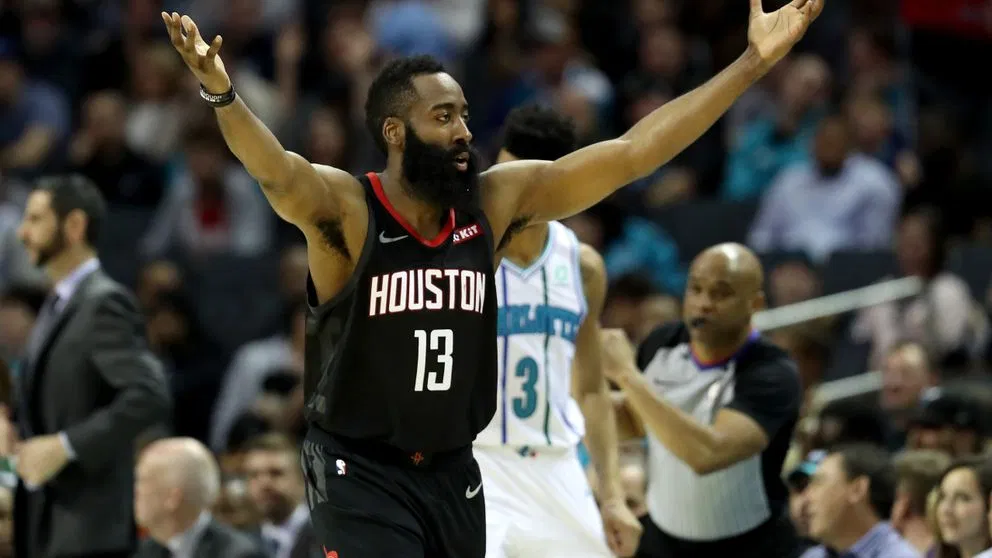
The world of NBA trades can seem like a complex web of salary caps, trade exceptions, and player movements, but understanding how it all works reveals one of the most fascinating aspects of professional basketball. When the Los Angeles Clippers traded James Harden to the Cleveland Cavaliers for Darius Garland and a second-round pick in February 2026, it wasn't just a simple player swap—it was a carefully orchestrated move that followed specific financial rules, timing considerations, and strategic calculations that govern every NBA transaction. Whether you're a casual fan wondering how teams can exchange multi-million dollar contracts or someone trying to understand the business behind the game, this guide breaks down exactly how NBA trades function from start to finish.
How NBA Trades Actually Work: The Basic Process
At its core, an NBA trade is an exchange of assets between two or more teams. These assets can include players under contract, draft picks (both current and future), and sometimes cash considerations. Unlike casual fan speculation, every trade must navigate a complex set of rules established in the NBA's Collective Bargaining Agreement (CBA), a document negotiated between the league and the players' union that governs everything from salaries to trade procedures.
The process typically begins with general managers identifying roster needs and potential trade partners. Once initial discussions establish mutual interest, teams must ensure the proposed trade complies with salary matching rules—financial regulations that prevent teams from simply trading low-salary players for high-salary stars. The deal then gets formalized in a trade call with the NBA league office, where officials verify all details comply with CBA regulations. Only after league approval does the trade become official, with players typically required to pass physical examinations with their new teams.
Understanding Salary Cap Rules and Matching
The NBA's salary cap system creates the framework that makes trades possible while maintaining competitive balance. For the 2024-25 season, the salary cap is set at $140.588 million, but the actual rules get more nuanced with the introduction of "aprons"—additional financial thresholds that create different trading rules for teams at different payroll levels.
For teams under the luxury tax line (the first apron), the basic salary matching rule allows them to take back up to 125% of the salary they send out, plus $100,000. This means if Team A trades a player making $10 million, they can receive players totaling up to $12.6 million in return. However, for teams over the luxury tax line (or above the first apron), the rules tighten significantly—they can only receive 110% of outgoing salary plus $100,000. These differential rules create strategic considerations for teams managing their payroll while trying to improve their rosters.
The recent James Harden-Darius Garland trade perfectly illustrates these principles. Both players had nearly identical salaries—Harden at approximately $40 million and Garland at around $39 million—making the trade financially feasible under the 125% matching rule for non-taxpaying teams. This salary symmetry enabled what analysts called a "basketball trade" rather than a financial maneuver, with both teams seeking to address roster needs rather than salary sheet considerations.
Trade Exceptions and Other Roster Mechanisms
Beyond straight player-for-player swaps, the NBA's trade system includes several sophisticated mechanisms that provide teams with additional flexibility. The most important of these is the trade exception, often called a Traded Player Exception (TPE). When a team trades away a player without taking back equal salary, they generate a trade exception equal to that player's salary plus $100,000. This exception can be used within one year to acquire another player without needing to match salaries.
For example, if Team A trades a $10 million player to Team B for only draft picks, Team A creates a $10.1 million trade exception. They can then use that exception within the next year to acquire any player (or combination of players) making up to $10.1 million without sending out matching salary. This mechanism allows teams to turn expiring contracts into future assets and manage their salary cap more strategically.
Other key mechanisms include draft pick swaps (where teams exchange rights to select players in future drafts), cash considerations (limited to approximately $6 million per year that teams can include in trades), and sign-and-trade arrangements that allow teams to acquire free agents they wouldn't normally have cap space to sign.
The NBA Trade Deadline and Trading Calendar
NBA trades don't happen randomly throughout the year—they follow a specific calendar dictated by the league's schedule and CBA rules. The most significant date is the trade deadline, which typically falls in early February (the exact date varies slightly each season). After this deadline passes, teams cannot make any trades until their season concludes, creating a frenzy of activity in the weeks leading up to the cutoff.
The trading year officially begins after the NBA Finals conclude, with a brief moratorium period in early July during which trades can be agreed upon but not finalized. Once the moratorium lifts and the new league year begins, teams can execute trades freely throughout the offseason. This period sees significant activity as teams retool their rosters based on draft results, free agency movements, and offseason evaluations.
There's also a December 15 deadline that affects recently signed free agents—players who signed new contracts in the offseason typically cannot be traded until December 15 or until three months have passed, whichever comes later. This rule prevents teams from immediately flipping players they just acquired in free agency.
Recent Example: Breaking Down the Harden-Garland Blockbuster
The February 2026 trade that sent James Harden from the Los Angeles Clippers to the Cleveland Cavaliers for Darius Garland provides a perfect case study in modern NBA trade mechanics. According to ESPN reports, the deal involved Harden (earning approximately $40 million) going to Cleveland in exchange for Garland (approximately $39 million) and a 2026 second-round pick. From a rules perspective, this trade worked because:
- Both teams were under the luxury tax apron, allowing them to use the 125% salary matching rule
- The nearly identical salaries made the financial math straightforward
- The inclusion of a second-round pick helped balance perceived value differences between the players
- Both players had contracts that made them trade-eligible (no trade restrictions or recently signed deals)
Strategically, the Cavaliers sought an established veteran to pair with Donovan Mitchell in their backcourt, while the Clippers looked to get younger and address future roster construction. The trade demonstrates how even star players can be moved when contracts align and both teams identify complementary needs.
Common Misconceptions About NBA Trades
Several misconceptions persist about how NBA trades work, often fueled by video games or simplified media coverage. First, players cannot simply be traded for "cash"—while cash considerations can be included, they're limited to about $6 million annually and cannot be the primary component of a trade. Second, teams cannot trade consecutive future first-round draft picks due to the "Stepien Rule," which requires teams to have at least one first-round pick in every other year. Third, players with "no-trade clauses" are extremely rare—only a handful of stars have negotiated this provision, giving them veto power over potential trades.
Another common misunderstanding involves contract buyouts. When a player is traded and then bought out by their new team, they don't automatically return to their original team—they must clear waivers, where any team with cap space can claim them. This distinction matters significantly in deadline deals where veterans sometimes join contenders after being bought out.
The Bottom Line: Key Takeaways About NBA Trades
Understanding NBA trades requires grasping three fundamental concepts: financial rules govern every transaction, timing matters due to league calendars, and strategic needs drive decisions beyond simple talent evaluation. The salary matching system ensures competitive balance by preventing wealthy teams from simply absorbing expensive contracts, while trade exceptions and other mechanisms provide creative front offices with tools to build competitive rosters.
Whether it's a minor role-player swap or a blockbuster like Harden for Garland, every NBA trade represents a complex calculation of present needs, future considerations, and financial constraints. As the league continues to evolve with new CBA agreements and changing financial landscapes, the mechanics of trading will undoubtedly adapt—but the fundamental principles of salary matching, strategic timing, and mutual benefit will continue to shape how teams build their rosters and chase championship dreams.