
When Bad Bunny took the stage at Super Bowl LX in 2026, he didn't just perform for the 100 million people watching worldwide - he showcased what many consider the most complex live production in entertainment history. The Puerto Rican superstar's 13-minute performance represented the culmination of 18 months of planning, thousands of crew members, and military-precision logistics that transform a football field into the world's biggest stage in just minutes. But how exactly does this $13 million spectacle come together? The process involves everything from artist selection a year and a half in advance to stage engineering that must withstand everything from pyrotechnics to unpredictable weather.
Choosing the World's Biggest Stage: How Halftime Show Artists Are Selected
The journey to the Super Bowl halftime stage begins long before any set designs are drafted. According to event planning experts, the NFL's entertainment team starts discussions with potential artists 12 to 18 months before the big game. This lengthy lead time isn't just about scheduling - it's about finding the perfect balance of musical relevance, mass appeal, and production feasibility. "The selection process involves extensive vetting of an artist's catalog, live performance history, and ability to handle the unique pressures of the Super Bowl stage," explains industry analysts. Recent trends have seen the NFL diversify its selections, with Bad Bunny's 2026 performance marking the first Spanish-language halftime show headliner, reflecting the league's recognition of Latin music's global influence.
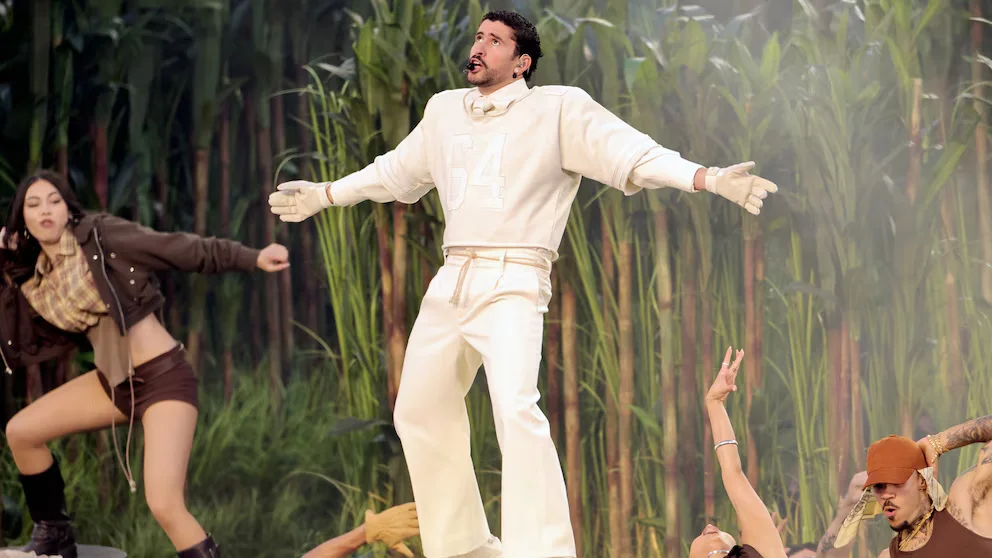
Once an artist is selected, the creative process kicks into high gear. The performer works with a team of producers, choreographers, and set designers to craft a show that must accomplish multiple objectives: showcase their greatest hits, incorporate special effects safely, and translate to television while thrilling the live audience. For Bad Bunny's show, this meant incorporating elements of Puerto Rican culture while ensuring the production could handle 9,852 theatrical pyrotechnics and nearly 400 costumed extras. Every element, from song selection to costume changes, undergoes rigorous review by NFL executives, broadcast partners, and safety officials.
The 18-Month Countdown: Planning Timeline of a Super Bowl Spectacle
Understanding how Super Bowl halftime shows work requires following an intricate timeline that begins almost two years before the performance. At 18 months out, initial artist discussions commence. Twelve months before the game, the creative team begins developing concepts and preliminary designs. By the six-month mark, engineers are testing stage prototypes and pyrotechnic sequences. The final two months involve daily rehearsals, with the last week dedicated to on-site setup at the stadium.
What makes this timeline particularly challenging is the NFL's regular season schedule - the halftime show team must work around football games happening in the same stadium throughout the fall. This means most construction and testing happens at remote facilities, with the actual stage components designed to be modular for rapid assembly. "The entire production is like a massive puzzle that only comes together in the final days," describes one production veteran. "We rehearse in airplane hangars and empty lots, then transport everything to the stadium in dozens of trucks that arrive on a precise schedule."
Engineering Marvel: The Technical Backbone of Halftime Magic
The most jaw-dropping aspect of Super Bowl halftime shows isn't the celebrity cameos or musical medleys - it's the engineering feat of transforming a football field in just 6-8 minutes. During the commercial break following the second quarter, hundreds of crew members swarm the field with military precision. They must assemble a stage that can support tons of equipment, performers, and special effects while ensuring complete safety for everyone involved.
Modern halftime shows incorporate cutting-edge technology that would challenge most concert venues. For Bad Bunny's 2026 performance, this included:
- Modular Stage Systems: Custom-built platforms that lock together like puzzle pieces, capable of supporting up to 50,000 pounds of equipment
- Advanced Pyrotechnics: Computer-controlled firework and flame systems synchronized to millisecond precision with the music
- Wireless Audio Networks: Complex RF systems that ensure perfect sound for both stadium audiences and broadcast viewers
- LED Technology: Millions of programmable lights in stage floors, props, and even audience wristbands
- Projection Mapping: High-lumen projectors that transform flat surfaces into dynamic visual displays
Perhaps most impressively, all this technology must operate flawlessly in unpredictable outdoor conditions. Engineers account for everything from rain and wind to temperature extremes that could affect equipment performance. Backup systems are standard - if one audio transmitter fails, another instantly takes over without the audience noticing.
The $13 Million Question: Budget and Logistics of Football's Biggest Show
While the NFL doesn't publicly disclose exact figures, industry estimates place the average Super Bowl halftime show budget between $10-13 million. This staggering amount covers artist fees (though many performers waive them for the exposure), production costs, and insurance premiums that would make most event planners shudder. The logistics involve coordinating hundreds of personnel, from stagehands to pyrotechnic experts, all working under intense time pressure.
Transportation alone represents a massive undertaking. According to logistics specialists, a typical halftime show requires 40-50 tractor-trailers of equipment, all arriving on a precisely timed schedule. Once at the stadium, crews face the additional challenge of navigating narrow corridors and elevators not designed for concert production. "It's like loading a cruise ship through a car wash," one logistics coordinator remarked. Every piece of equipment undergoes rigorous security screening, and nothing can interfere with the game itself - all setup happens in designated areas until the clock hits zero for halftime.
Safety First: How Halftime Shows Protect Performers and Audiences
With so many moving parts and potential hazards, safety protocols for Super Bowl halftime shows border on obsessive. Every performer undergoes extensive safety briefings, and stunt coordinators work closely with artists on any risky maneuvers. Pyrotechnic experts must account for wind direction, stadium architecture, and even the heat tolerance of nearby equipment. Medical teams position themselves strategically around the field, ready to respond instantly to any emergency.
One of the most critical safety considerations involves the field itself. The natural grass or artificial turf must be protected from thousands of pounds of stage equipment and hundreds of running feet. Elaborate covering systems roll out in seconds, protecting the playing surface while providing secure footing for performers. After the show, the reverse process happens just as quickly - the field must be game-ready before the third quarter kicks off.
Beyond the Music: Cultural Impact and Evolution of Halftime Shows
Bad Bunny's 2026 performance highlighted how Super Bowl halftime shows have evolved from simple marching band displays to cultural touchstones. His celebration of Puerto Rican identity followed in the footsteps of previous groundbreaking shows that addressed social issues, showcased diverse musical traditions, and pushed technological boundaries. The halftime slot has become what one media analyst calls "the most valuable 13 minutes in entertainment" - a platform that can redefine an artist's career and influence popular culture for years.
This evolution reflects changing audience expectations and the NFL's recognition of its global audience. Where once shows focused primarily on classic rock acts with broad generational appeal, recent years have seen greater diversity in musical genres, age representation, and cultural references. The production has kept pace, incorporating augmented reality, interactive audience elements, and social media integration that extends the show's reach far beyond the stadium walls.
What's Next: The Future of Super Bowl Halftime Technology
As technology advances, so too will the possibilities for halftime spectaculars. Industry insiders point to several emerging trends that could define future shows:
- Holographic Performers: Advanced projection technology that could bring virtual artists or historical figures to the stage
- Audience Immersion: Personalized experiences through augmented reality apps that sync with the live performance
- Sustainable Production: Reduced environmental impact through solar power, recyclable materials, and carbon offset programs
- Real-time Customization: Shows that adapt to social media feedback or audience reactions during the performance
- Global Collaboration: Simultaneous performances across multiple locations using synchronized technology
These innovations will build on the foundation established by shows like Bad Bunny's - productions that balance artistic vision with technical wizardry, cultural relevance with mass appeal, and live excitement with broadcast perfection.
The Bottom Line: How 13 Minutes Requires 18 Months of Precision
The magic of Super Bowl halftime shows lies in their apparent effortlessness - the seamless transition from football to spectacle and back again. But as Bad Bunny's historic 2026 performance demonstrated, this illusion requires staggering amounts of planning, engineering, and coordination. From the initial artist selection 18 months out to the final pyrotechnic cue, every element follows a meticulously choreographed plan that accounts for countless variables.
Understanding how these productions work reveals why they remain television's most-watched musical events year after year. They're not just concerts on a football field - they're triumphs of logistics, engineering, and creative collaboration that push the boundaries of what's possible in live entertainment. The next time you watch a halftime show, remember: you're witnessing not just a performance, but the culmination of thousands of hours of work by hundreds of professionals who have mastered the art of creating magic in minutes.