As the first new moon of the lunar calendar rises on February 17, 2026, billions of people across Asia and diaspora communities worldwide will welcome the Year of the Fire Horse, marking the beginning of Lunar New Year celebrations that blend ancient traditions with modern festivities. This vibrant holiday, known as Spring Festival in China, Tết in Vietnam, and Seollal in Korea, represents far more than just a date change—it's a profound cultural event celebrating family reunions, honoring ancestors, and welcoming prosperity through rituals that have evolved over thousands of years.
From Ancient Calendars to Global Celebrations: The History Behind Lunar New Year
The origins of Lunar New Year trace back more than 3,500 years to China's Shang Dynasty, where the lunisolar calendar—which tracks both moon phases and solar seasons—determined agricultural cycles and religious observances. According to the National Geographic Society, this calendar system spread across East Asia through trade, cultural exchange, and imperial expansion, with Vietnam adopting Chinese Lunar New Year traditions during the Han Dynasty's rule in 111 B.C.E. Today, while the Gregorian calendar dominates global affairs, the traditional lunisolar calendar continues to dictate the timing of what remains the world's largest annual human migration as families reunite for celebrations.
Understanding the 2026 Calendar: Why Dates Change Each Year
Unlike fixed Gregorian New Year on January 1, Lunar New Year floats between January 21 and February 20 because it's tied to astronomical events. The holiday begins with the first new moon after the sun reaches 315 degrees longitude (midway between winter solstice and spring equinox). In 2026, this occurs on February 17, kicking off 15 days of festivities that culminate with the Lantern Festival on March 3. This variability stems from the lunisolar calendar's compromise between lunar months (29.5 days) and solar years (365.25 days), requiring periodic intercalary months to keep seasons aligned—a system refined by Chinese astronomers centuries before similar adjustments appeared in European calendars.
The Year of the Fire Horse: What This Zodiac Sign Means for 2026
Each Lunar New Year cycles through 12 zodiac animals, and 2026 brings the Fire Horse—a combination that last occurred 60 years ago in 1966. In Chinese astrology, horses symbolize energy, independence, and progress, while the fire element adds passion, transformation, and dynamism. "The Horse is confident, agreeable, and responsible, although they also tend to dislike being reined in by others," explains Chinese astrology expert Wang Li to SBS News. Those born under this sign are believed to be adventurous, charismatic, and naturally inclined toward leadership, though they may struggle with patience and routine. The Fire Horse year is considered particularly auspicious for launching new ventures, traveling, and embracing change.
Family, Food, and Fortune: Essential Traditions Explained
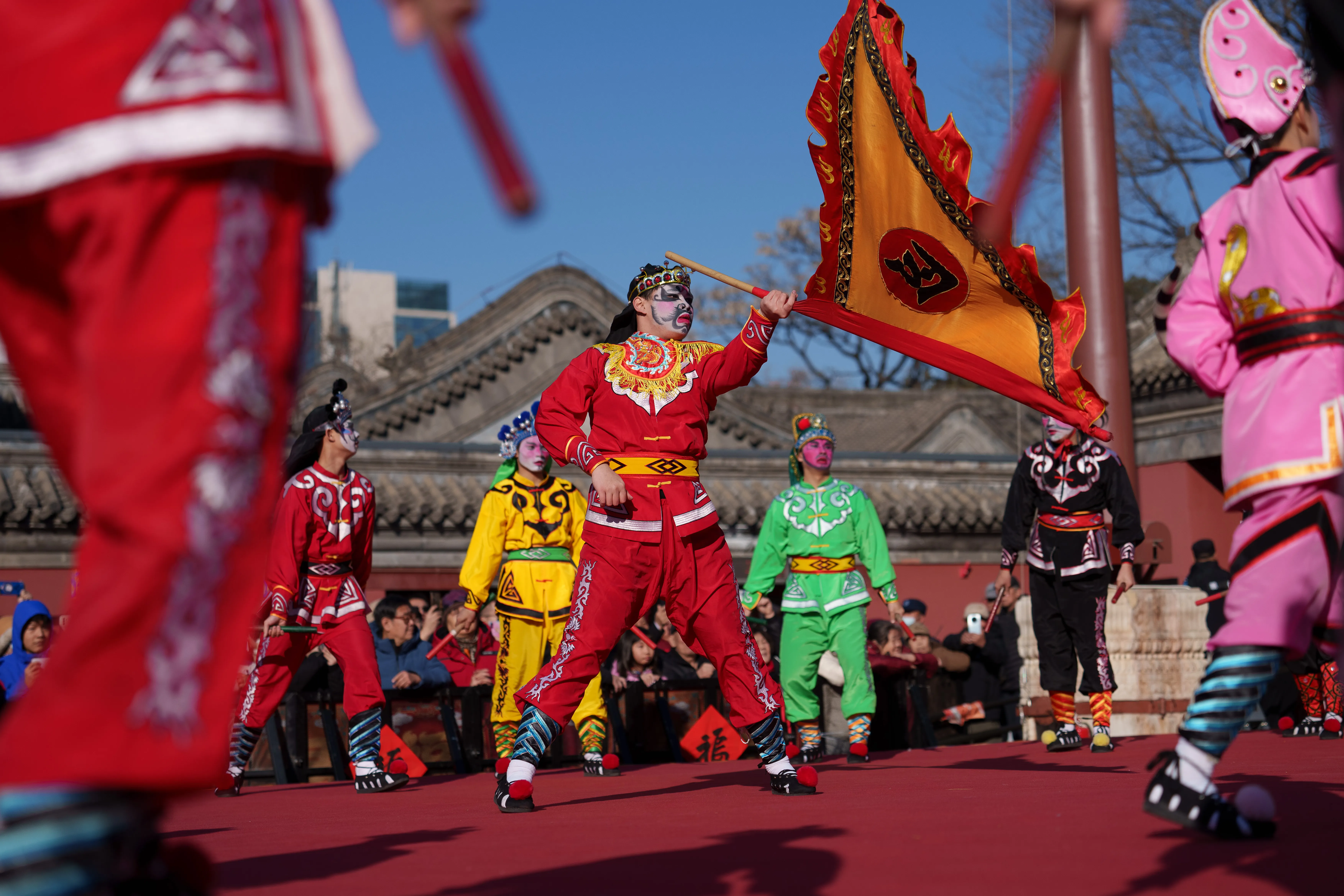
Lunar New Year traditions follow a precise sequence designed to attract good luck and ward off misfortune. In the days before the holiday, families conduct thorough home cleanings to sweep away any residual bad fortune—but brooms are hidden once celebrations begin to prevent accidentally sweeping away new luck. Homes are decorated with red paper cutouts and couplets, as red symbolizes joy and prosperity in Chinese culture. The centerpiece is the reunion dinner on Lunar New Year's Eve, where multiple generations gather for symbolic dishes: fish for abundance, dumplings for wealth, noodles for longevity, and sweet rice balls for family unity.

Red envelopes (hongbao in Mandarin, lai see in Cantonese) containing money are given to children and unmarried adults, always with even amounts and avoiding the number four (associated with death). Fireworks and firecrackers blast through the night to scare away evil spirits, while dragon and lion dances bring vitality to streets worldwide. The celebration concludes with the Lantern Festival, where communities solve riddles written on glowing lanterns—a tradition dating to China's Han Dynasty when Buddhist monks lit lanterns to honor Buddha.
Regional Variations: How Different Cultures Celebrate
While Lunar New Year shares common roots, regional adaptations create rich diversity. In Vietnam, families create five-fruit trays as offerings to ancestors and wear áo dài tunics. Korean celebrations focus on sebae—deep bows to elders—followed by tteokguk rice cake soup consumption, which symbolically adds a year to one's age. Korean children receive money in white envelopes (sae bae don) rather than red ones. In Malaysia and Singapore, where Chinese communities have blended with local cultures, visitors can experience unique "lou sang" prosperity toss salads and temple visits at sites like Kuala Lumpur's Thean Hou Temple.
Modern Celebrations: Lunar New Year in the 21st Century
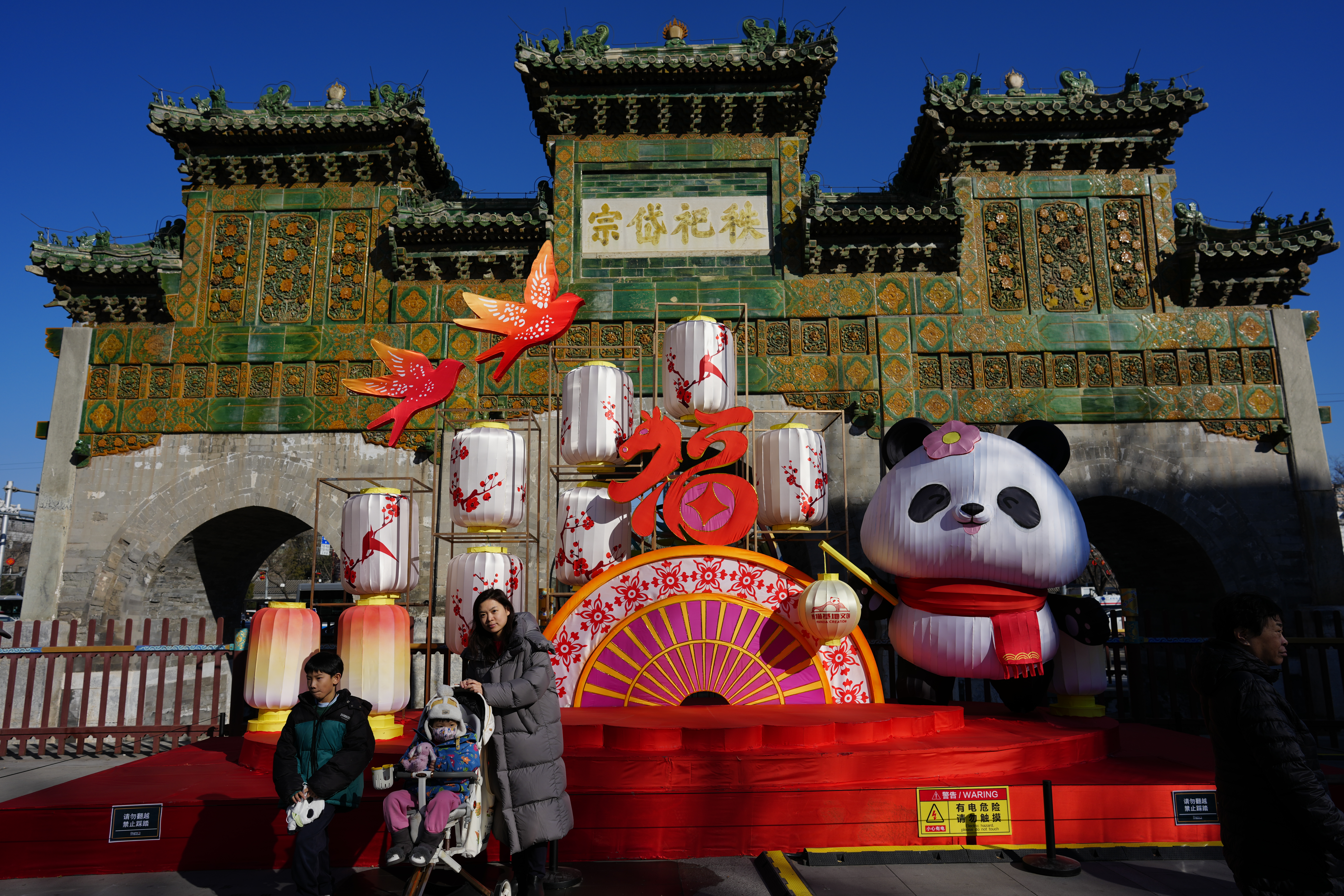
Today's Lunar New Year blends ancient customs with contemporary expressions. Digital red envelopes via apps like WeChat and Alipay have modernized the gift-giving tradition, while live-streamed temple fairs reach global audiences. Major cities from San Francisco to Sydney host massive parades featuring both traditional performances and multicultural elements. Even space isn't exempt—Chinese astronauts aboard the Tiangong space station have celebrated with specially prepared festive meals. Despite these innovations, the holiday's core remains unchanged: it's still primarily about family reunions, with China's annual "chunyun" migration period seeing nearly 3 billion passenger trips as people return to hometowns.
Looking Ahead: Lunar New Year's Evolving Global Significance
As Asian diaspora communities grow worldwide, Lunar New Year has gained recognition beyond traditional circles. The United Nations officially adopted Lunar New Year as a floating holiday in 2024, while corporations increasingly acknowledge it alongside other cultural observances. Future celebrations will likely continue balancing preservation of heritage with adaptation to new contexts. The 2027 Year of the Goat will begin on February 6, followed by 2028's Year of the Monkey starting January 26—but for now, all eyes are on the dynamic energy of the Fire Horse, galloping into a year expected to favor bold moves and breakthrough achievements.
Key Takeaways: What to Remember About Lunar New Year
- Variable Dates: Occurs between January 21 and February 20, based on lunisolar calendar
- 2026 Specifics: Begins February 17, ends March 3 with Lantern Festival
- Zodiac Animal: Year of the Fire Horse, last seen in 1966
- Core Traditions: Family reunion dinners, red envelopes, home cleaning/decorating, fireworks, dragon dances
- Global Reach: Celebrated across East and Southeast Asia, plus diaspora communities worldwide
- Cultural Names: Spring Festival (China), Tết (Vietnam), Seollal (Korea)
- Duration: Traditionally 15 days, though modern celebrations often condense to 3-7 days