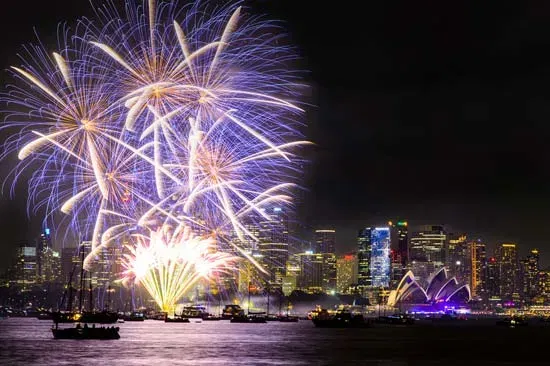
As the clock strikes midnight on December 31, people around the world celebrate the arrival of New Year's Day on January 1—but why does the new year begin on this particular date, and how did this global tradition originate? The answer lies in ancient Roman calendar reforms, medieval Christian adjustments, and the gradual adoption of the Gregorian calendar that standardized New Year's Day across most of the world. From fireworks over Sydney Harbor to the ball drop in Times Square, New Year's celebrations combine ancient symbolism with modern festivities, marking a universal moment of renewal and hope.
From Ancient Rome to Modern Calendars: The January 1 Origin Story
The story of New Year's Day begins more than 2,700 years ago with the Roman king Numa Pompilius. According to historical records, around 713 BCE, Numa revised the early Roman calendar, which originally began in March, to add January and February—making January the first month of the year. This change honored Janus, the Roman god of gates, doorways, and beginnings, whose two faces allowed him to look simultaneously into the past and future. The name "January" itself derives from Janus, perfectly capturing the reflective nature of the New Year transition.
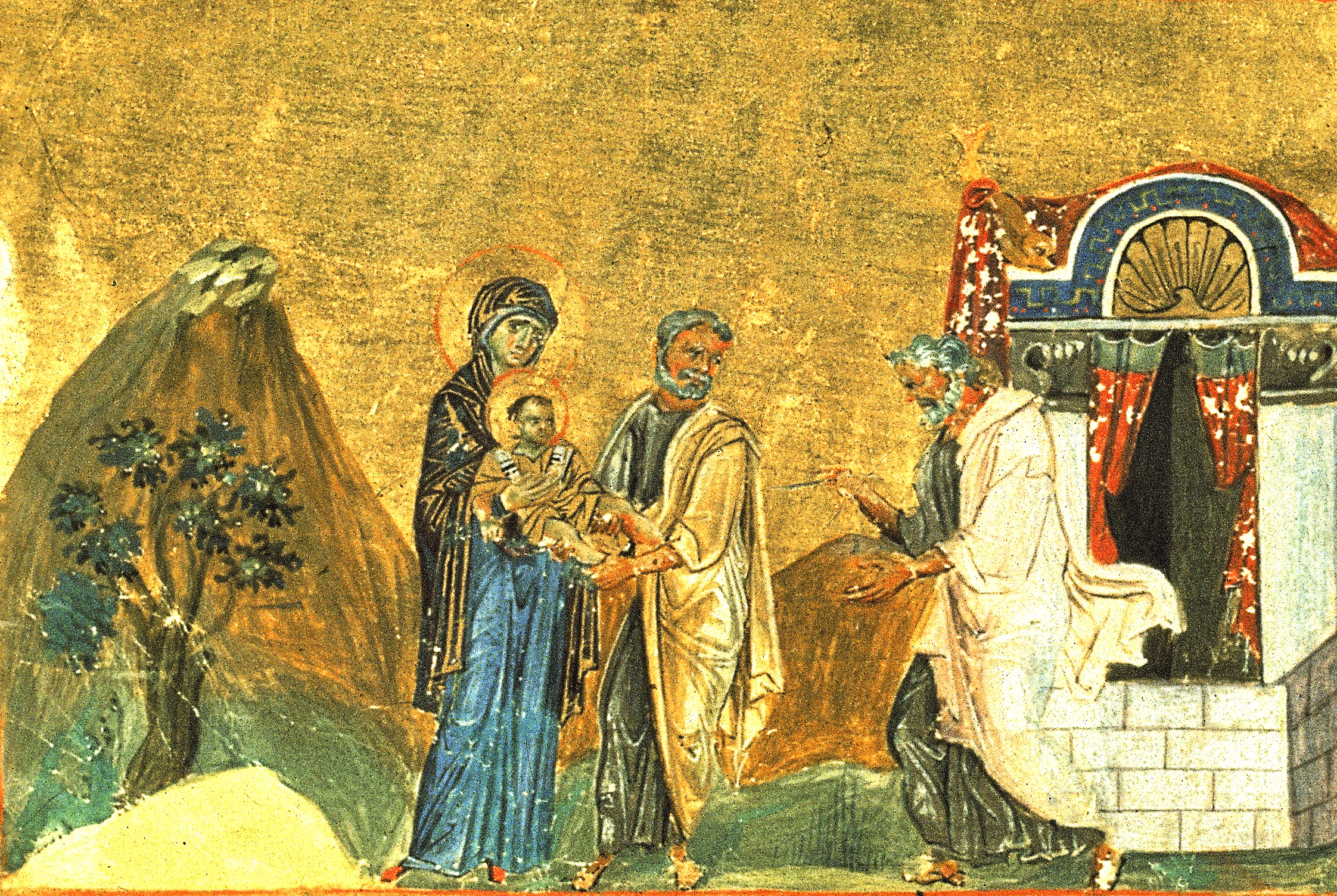
However, it wasn't until 153 BCE that January 1 was formally established as the start of the Roman civil year. This date was chosen because it marked the day when newly elected consuls—the highest officials in the Roman Republic—began their one-year terms. The tradition continued under Julius Caesar, who introduced the Julian calendar in 46 BCE. Caesar's calendar reform, developed with the help of Alexandrian astronomer Sosigenes, fixed January 1 as New Year's Day and created the leap-year system to keep the calendar aligned with the solar year.
The Calendar's Journey Through History: From March to January and Back Again
After the fall of Rome, Christian Europe gradually moved New Year's Day to dates with religious significance. Many regions celebrated on December 25 (Christmas), March 25 (the Feast of the Annunciation), or even Easter Sunday. This created confusion, with different countries and even neighboring towns observing the new year on different dates. The situation changed in 1582 when Pope Gregory XIII introduced the Gregorian calendar to correct the Julian calendar's growing drift from the solar year.
The Gregorian calendar restored January 1 as New Year's Day, and Catholic countries like Italy, France, and Spain adopted it immediately. Protestant and Orthodox nations were slower to accept the change—England and its American colonies didn't switch until 1752. When they did, the adjustment required skipping 11 days, leading to protests with people demanding "Give us back our eleven days!" Russia held out until 1918, while Greece waited until 1923. Today, the Gregorian calendar serves as the international civil calendar, though many cultures maintain parallel traditional calendars for religious and cultural observances.
Global Traditions: How the World Rings in the New Year
New Year's celebrations vary dramatically across cultures, but common themes of renewal, luck, and community unite them. In Spain and several Latin American countries, people eat twelve grapes at midnight—one for each chime of the clock—to secure twelve months of good luck. In the southern United States, black-eyed peas and collard greens symbolize coins and paper money, promising prosperity. Japan celebrates with soba noodles representing longevity, while Italians favor lentils for wealth.
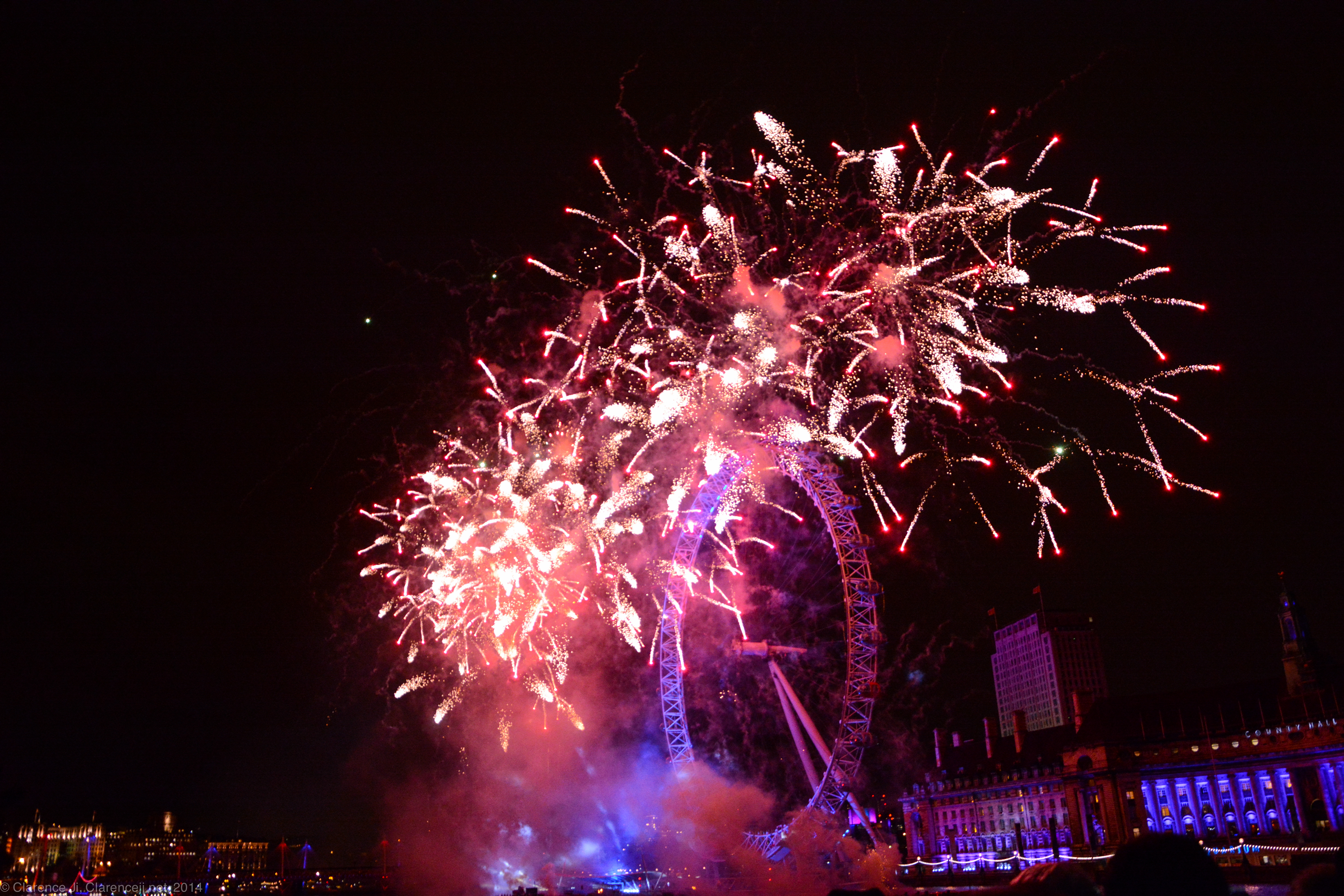
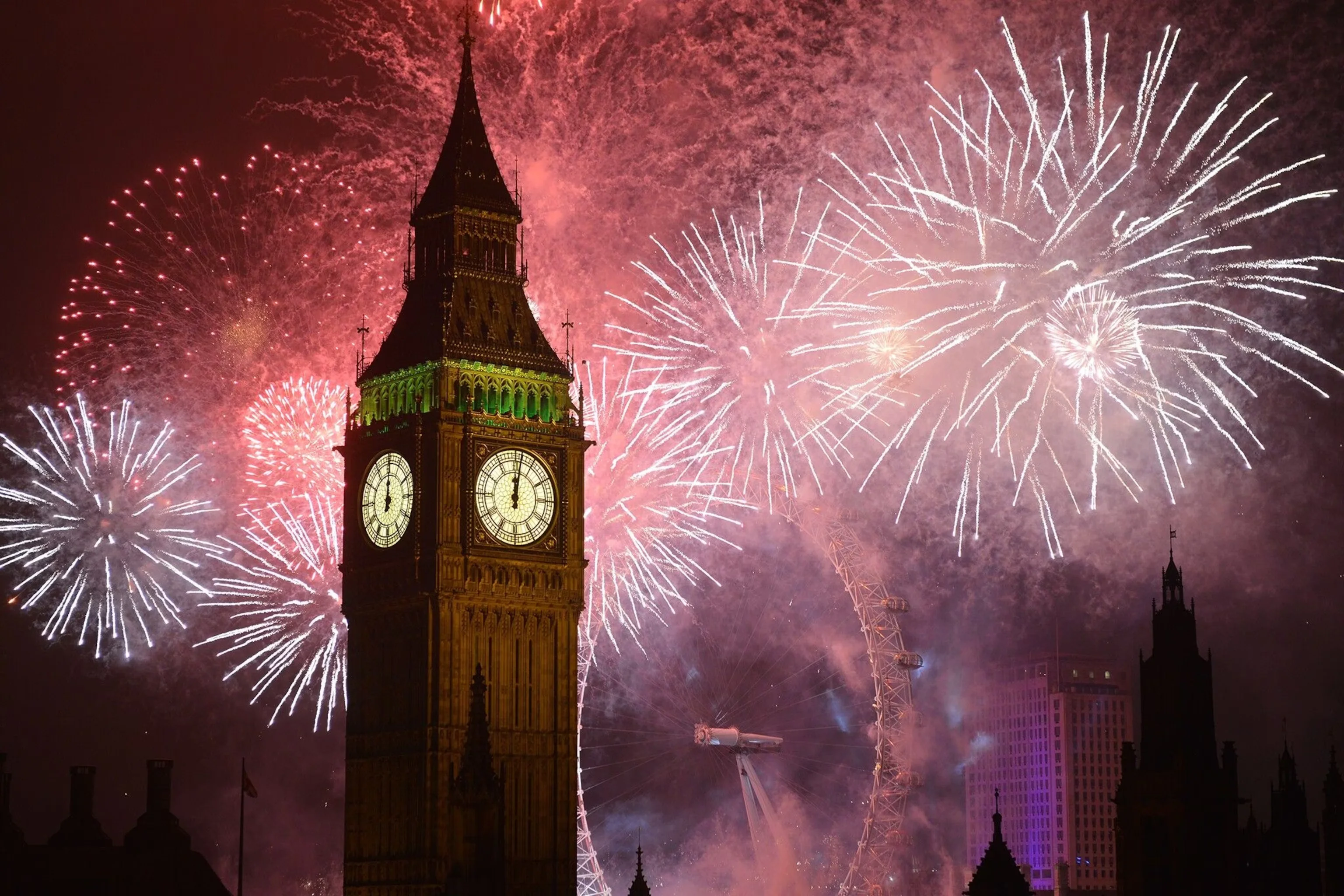
Fireworks displays have become virtually universal, with Sydney's spectacular show over the harbor bridge, London's breathtaking display around the London Eye, and Dubai's record-breaking pyrotechnics. The tradition traces back to ancient China, where fireworks were believed to scare away evil spirits. In Scotland, Hogmanay celebrations include "first-footing"—the belief that the first person to enter a home after midnight brings fortune for the coming year. Brazil's celebration features white clothes (for peace) and jumping seven waves at the beach (for good luck).
Beyond January 1: Other New Year Celebrations Around the World
While January 1 dominates global observance, numerous cultures celebrate new years according to different calendars. The Chinese Lunar New Year (typically in January or February) features family reunions, red envelopes with money, and dragon dances. Nowruz, the Persian New Year on the spring equinox (around March 20), includes jumping over fires and setting a "haft-sin" table with seven symbolic items. Rosh Hashanah, the Jewish New Year in September, features shofar blowing and eating apples dipped in honey for a sweet year.
Thailand's Songkran (April 13-15) involves water fights symbolizing purification, while Ethiopia's Enkutatash (September 11) marks the end of rainy season with yellow daisies. Diwali, the Hindu Festival of Lights (October or November), serves as a spiritual new year in many regions. These celebrations remind us that the concept of renewal transcends any single calendar date.
The Science and Symbolism of New Year's Resolutions
The practice of making New Year's resolutions dates back 4,000 years to ancient Babylon, where people made promises to the gods to repay debts and return borrowed items. The Romans made similar vows to Janus. Today, approximately 40% of people make resolutions, though only about 8% succeed in keeping them. Common resolutions include health improvements, financial goals, and personal development.
Psychologists note that the "fresh start effect" of January 1 provides motivational energy, but suggest breaking goals into smaller steps and focusing on process rather than outcome. The tradition reflects our universal desire for self-improvement and the human capacity for hope—even if gym memberships spike in January only to decline by February.
New Year's Day in the 21st Century: Global Unity and Local Traditions
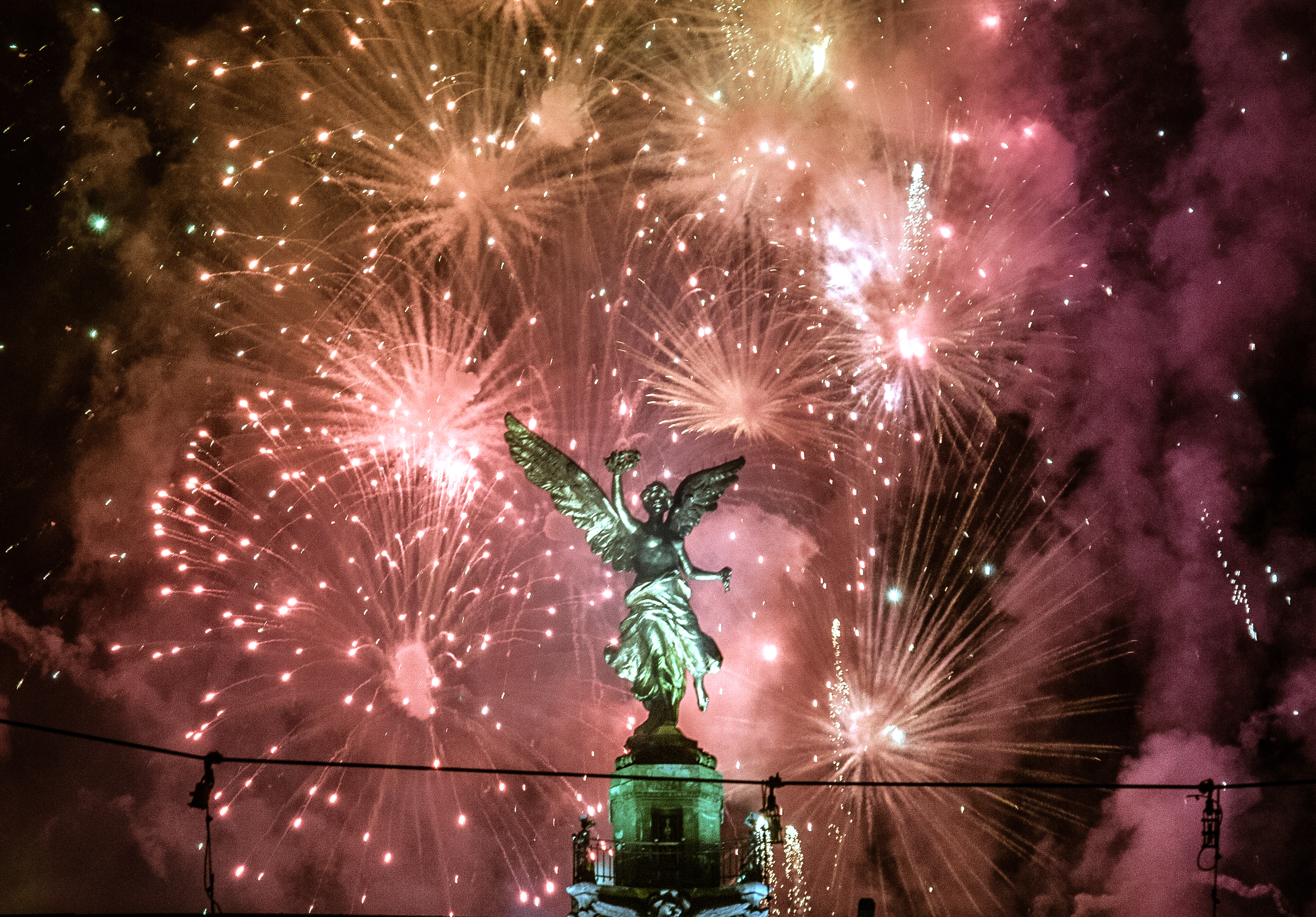
In our interconnected world, New Year's celebrations have become both globalized and localized. The same fireworks technology lights up skies from Auckland to New York, while live broadcasts allow millions to watch celebrations worldwide. Yet local traditions persist and even thrive—whether it's Philadelphia's Mummers Parade, Switzerland's Silvesterkläuse bell-ringing, or South Africa's Carnival in Cape Town.
Environmental concerns are shaping newer celebrations, with cities like Sydney incorporating drone light shows to reduce pollution, and "green" resolutions gaining popularity. The COVID-19 pandemic also transformed celebrations, with virtual gatherings and neighborhood balcony parties demonstrating human adaptability. As climate change advances, some experts predict future celebrations may increasingly focus on environmental renewal and sustainability.
Looking Ahead: The Future of New Year Celebrations
As technology advances, New Year's celebrations continue to evolve. Virtual reality parties allow global participation without travel, while social media creates instant shared experiences. Yet the core human needs—community, hope, renewal—remain unchanged. The increasing recognition of diverse cultural new years promotes greater global understanding, with many organizations now acknowledging multiple new year observances.
The fundamental appeal of New Year's Day lies in its combination of universality and personal significance. It's both a global moment synchronized across time zones and an intimate opportunity for individual reflection. Whether through ancient Roman rituals, medieval Christian adaptations, or modern global festivities, the human desire to mark time, make fresh starts, and celebrate life's continuity endures.
Key Takeaways: What You Need to Know About New Year's Day
- Historical Roots: January 1 as New Year's Day originated with Roman calendar reforms under King Numa Pompilius and was standardized by Julius Caesar's Julian calendar.
- Calendar Evolution: The Gregorian calendar, introduced in 1582, restored January 1 after Christian Europe had moved celebrations to various religious dates.
- Global Diversity: While January 1 is internationally observed, many cultures celebrate new years based on lunar, solar, or religious calendars at different times.
- Universal Traditions: Fireworks, special foods, resolutions, and community gatherings are common themes across cultures, though specific rituals vary widely.
- Enduring Significance: New Year's Day represents a timeless human need for renewal, reflection, and hope—a bridge between past and future celebrated worldwide.
From its origins in ancient Rome to its current status as a global holiday, New Year's Day demonstrates how human culture adapts calendars to mark time while preserving the fundamental desire for new beginnings. Whether you're watching fireworks, eating lucky foods, or simply reflecting on the year ahead, you're participating in a tradition that spans millennia and continents—a testament to our shared humanity and perpetual hope for better days to come.