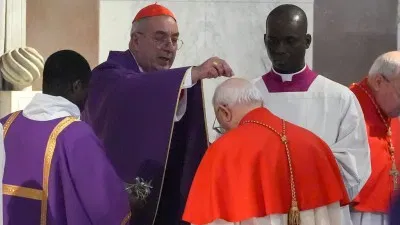
As February 18, 2026 approaches, millions of Christians worldwide prepare to observe Ash Wednesday, marking the beginning of Lent—a 40-day period of fasting, prayer, and reflection leading up to Easter Sunday. This ancient tradition, rooted in centuries of Christian practice, serves as a solemn reminder of human mortality and the need for spiritual renewal. But what exactly is Ash Wednesday, why do people wear ashes on their foreheads, and how does this observance connect to the changing date of Easter each year?
Understanding Ash Wednesday: The Gateway to Lent
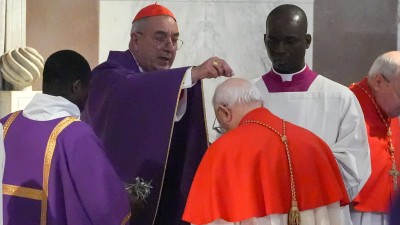
Ash Wednesday stands as the inaugural day of Lent in Western Christian traditions, including Roman Catholicism, Anglicanism, Lutheranism, and many Protestant denominations. The day derives its name from the practice of placing ashes on the foreheads of worshippers in the shape of a cross. According to religious scholars, this practice serves as both a public declaration of faith and a personal reminder of human mortality—echoing the biblical phrase "Remember that you are dust, and to dust you shall return" (Genesis 3:19).
The observance traces its origins to early Christian practices of public penance, where sinners would dress in sackcloth and cover themselves in ashes as signs of repentance. Over time, this practice evolved into the current ritual where all congregants, regardless of their perceived spiritual state, receive ashes as a symbol of their shared human condition and commitment to spiritual growth during the Lenten season.
The Biblical Roots and Symbolic Meaning of Ashes
The use of ashes as a symbol of repentance and mourning has deep roots in both Jewish and Christian scriptures. Throughout the Old Testament, figures like Job, Daniel, and the people of Nineveh used ashes to express grief, humility, and penitence before God. In the Book of Job, after experiencing tremendous loss, Job "sat among the ashes" as a sign of his mourning (Job 2:8). Similarly, the prophet Daniel describes praying with "sackcloth and ashes" as he sought God's forgiveness for his people (Daniel 9:3).
In Christian tradition, these Old Testament practices were adapted to create the Ash Wednesday ritual we know today. The ashes themselves typically come from burned palm branches saved from the previous year's Palm Sunday celebration, creating a powerful connection between Jesus's triumphant entry into Jerusalem and the subsequent call to repentance during Lent. When priests or ministers apply the ashes, they often repeat one of two traditional phrases: "Remember that you are dust, and to dust you shall return" or "Repent, and believe in the Gospel."
Ash Wednesday Traditions and Contemporary Practices
Modern Ash Wednesday observances follow specific patterns that have developed over centuries. For Catholics and many Protestant denominations, the day involves attending a special church service where congregants receive ashes. The ashes are usually applied by making the sign of the cross on the forehead, though some traditions place ashes on the top of the head instead.
Two key disciplines characterize Ash Wednesday and the entire Lenten season: fasting and abstinence. According to current Catholic guidelines, Ash Wednesday is a day of both fasting and abstinence. Fasting means consuming only one full meal plus two smaller meals that together don't equal a full meal, with no eating between meals. This applies to Catholics aged 18 to 59, with exceptions for health reasons. Abstinence refers to refraining from eating meat, a practice required of all Catholics aged 14 and older.
Beyond these formal requirements, many Christians use Ash Wednesday as an opportunity to begin additional spiritual practices for Lent, such as daily prayer, scripture reading, charitable giving, or giving up particular pleasures or habits. The common practice of "giving something up for Lent" finds its starting point on Ash Wednesday, with many people choosing to abstain from things like sweets, social media, or other distractions to focus more intently on spiritual matters.
The Easter Connection: Why Ash Wednesday's Date Changes
One of the most common questions about Ash Wednesday concerns its changing date each year. Unlike fixed holidays like Christmas, Ash Wednesday moves annually because it's calculated based on the date of Easter, which itself follows a complex formula tied to both solar and lunar cycles. Easter falls on the first Sunday after the first full moon occurring on or after the spring equinox (March 21).
Since Ash Wednesday marks the beginning of Lent—a 40-day period of fasting and reflection—its date is simply 46 days before Easter Sunday (40 days of fasting plus the six Sundays during Lent, which are not fasting days). For 2026, Easter Sunday falls on April 5, which places Ash Wednesday on February 18. This calculation method means Ash Wednesday can occur as early as February 4 or as late as March 10.

Global Variations in Ash Wednesday Observance
While the core elements of Ash Wednesday remain consistent across Christian traditions, fascinating variations exist worldwide. In some cultures, Ash Wednesday marks the beginning of Carnival season's end, with particularly elaborate observances in places like New Orleans, Rio de Janeiro, and Venice. In the Philippines, some devotees engage in extreme forms of penitence, while in Poland, families traditionally clean their homes thoroughly on Ash Wednesday to prepare spiritually for Lent.
The Eastern Orthodox Church follows a different calendar and doesn't observe Ash Wednesday as Western Christians do. Instead, they begin Lent on "Clean Monday," which follows a similar theme of repentance and preparation but involves different rituals and timing. Despite these variations, the common thread across all traditions is the emphasis on spiritual preparation, self-examination, and turning toward God in anticipation of Easter.
Contemporary Relevance and Ecumenical Perspectives
In recent years, Ash Wednesday has gained visibility beyond traditional church settings through practices like "Ashes to Go," where clergy offer ashes to people in public spaces such as train stations, street corners, and college campuses. This initiative aims to make the ritual accessible to those who might not attend formal church services but still seek spiritual connection during Lent.
Different Christian traditions approach Ash Wednesday with varying theological emphases. While Catholics, Anglicans, Lutherans, and many mainline Protestants formally observe the day, some evangelical and nondenominational churches choose not to, viewing it as an unnecessary ritual. However, even among churches that don't formally celebrate Ash Wednesday, many incorporate themes of repentance and preparation into their worship as Easter approaches.
Practical Guidance for Observing Ash Wednesday
For those new to Ash Wednesday or seeking to deepen their understanding, several practical considerations can enhance the experience. First, check local church schedules for Ash Wednesday services, which often occur at multiple times throughout the day to accommodate different schedules. Many churches also offer virtual services for those unable to attend in person.
When receiving ashes, remember that they're a symbol, not a sacrament in most traditions. There's no "right" or "wrong" way to wear them—some people leave them on all day as a witness to their faith, while others wipe them off after the service. The important aspect is the internal disposition of repentance and reflection that the ashes represent.
If observing the fast and abstinence requirements, plan meals accordingly. Many families prepare simple meatless meals featuring fish, vegetables, legumes, or dairy products. The fasting discipline isn't meant to be dangerous or excessively burdensome—those with health conditions, pregnant or nursing women, and individuals with physically demanding jobs are exempt from the strict fasting requirements.
Looking Ahead: Ash Wednesday 2026 and Beyond
As Ash Wednesday 2026 approaches on February 18, Christians worldwide will embark on their Lenten journey with ashes marking their foreheads and hearts turned toward spiritual renewal. This ancient practice continues to offer profound meaning in modern times, bridging centuries of tradition with contemporary spiritual seeking.
Whether observed in grand cathedrals, modest chapels, or public spaces, Ash Wednesday serves as an annual invitation to pause, reflect, and recommit to what matters most. Its connection to Easter—the celebration of resurrection and new life—creates a powerful narrative arc from mortality to hope, from repentance to redemption, that continues to resonate across cultures and generations.
In an age of constant distraction and superficial engagement, the tangible, physical nature of ashes on skin provides a countercultural reminder of deeper realities. As one priest noted, "The ashes don't just remind us that we will die—they remind us that we are alive now, with time to change, grow, and turn toward what truly gives life." This dual message of mortality and possibility lies at the heart of Ash Wednesday's enduring power and relevance.