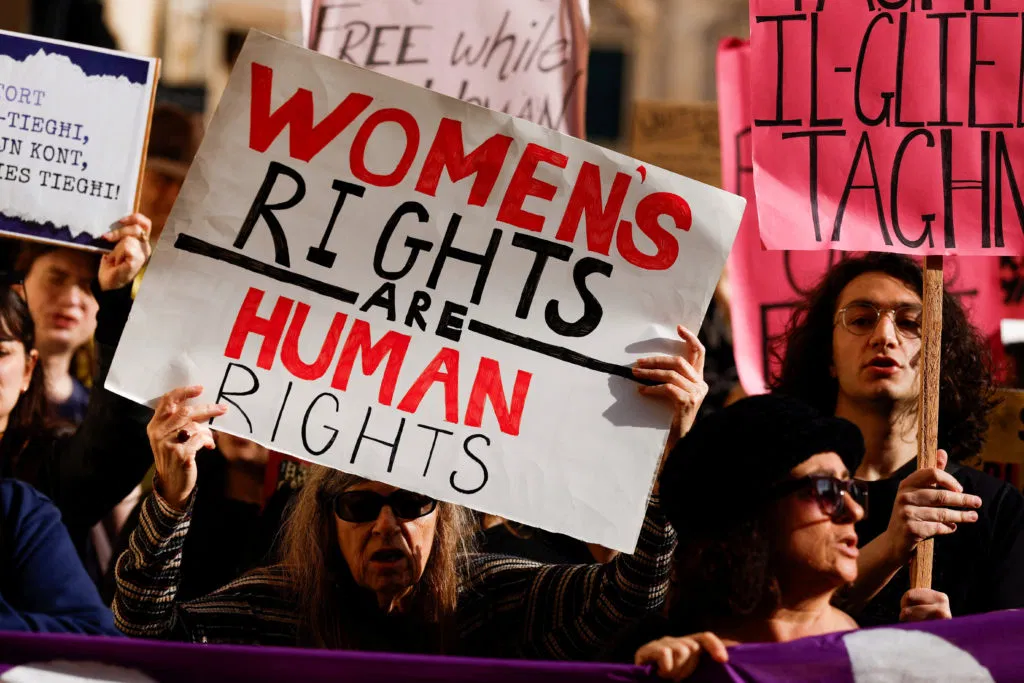
Every year on March 8, people around the world come together to celebrate International Women's Day, a global observance dedicated to honoring women's achievements, promoting gender equality, and advocating for women's rights. But when exactly did this day begin, why is it held on March 8, and what does it mean in 2025? This article explores the history, significance, and current context of one of the most important annual events for gender equality.
The Historical Roots of International Women's Day
The origins of International Women's Day trace back to early 20th century labor movements and women's suffrage campaigns. The first National Woman's Day was observed in the United States on February 28, 1909, following a declaration by the Socialist Party of America. This event honored the 1908 garment workers' strike in New York, where women protested against working conditions.
In 1910, German activist Clara Zetkin proposed the idea of an International Women's Day at the International Socialist Women's Conference in Copenhagen. The proposal was approved unanimously by over 100 women from 17 countries, though no fixed date was set initially. The first International Women's Day was celebrated on March 19, 1911, in Austria, Denmark, Germany, and Switzerland, with more than one million people attending rallies demanding women's rights to work, vote, and hold public office.
The date March 8 became permanently linked to Women's Day after Russian women's protests during the 1917 Russian Revolution. On February 23, 1917 (March 8 in the Gregorian calendar), Russian women staged a strike for "bread and peace" amidst World War I. This protest grew into a general strike that eventually led to the abdication of Tsar Nicholas II and the provisional government granting women the right to vote. Since then, March 8 has been cemented as the global date for International Women's Day.
From 1909 to Today: The Evolution of Women's Day
The journey of International Women's Day reflects the broader struggle for women's rights throughout the 20th and 21st centuries. After being adopted by socialist movements, the day gained official recognition from the United Nations in 1975 during International Women's Year. The UN began celebrating International Women's Day on March 8, 1977, urging member states to proclaim a day for women's rights and international peace.
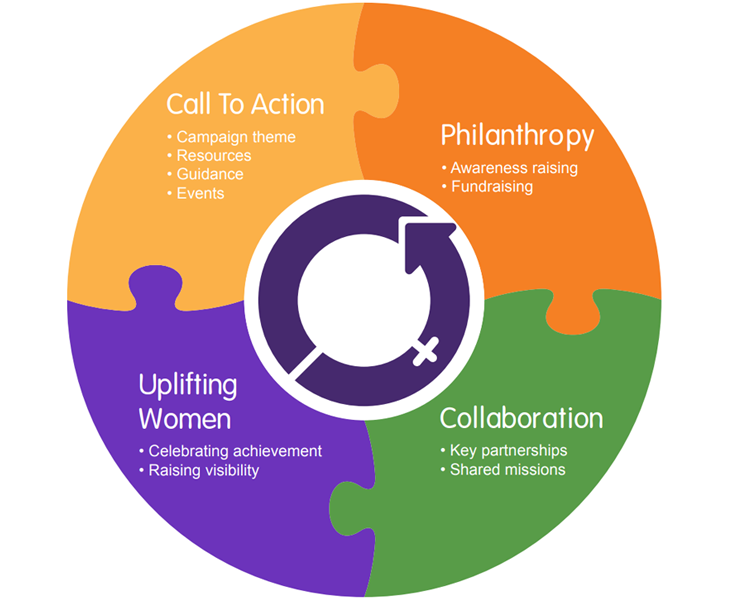
Throughout the 1980s and 1990s, the day became increasingly mainstream, with corporations and governments recognizing its importance. By the 21st century, International Women's Day had evolved into both a celebration of women's achievements and a call to action for accelerating gender parity. Today, it is observed through marches, educational events, corporate initiatives, and social media campaigns worldwide.
Why Women's Day Matters More Than Ever in 2025
The United Nations theme for International Women's Day 2025 is "For ALL women and girls: Rights. Equality. Empowerment." This theme emphasizes the urgent need to accelerate action for gender equality, particularly as progress has stalled in many areas. According to the World Economic Forum's Global Gender Gap Report 2024, at the current rate of progress, global gender parity will take until 2158—approximately 134 more years—to achieve.
Several key statistics highlight why International Women's Day remains crucial:
- Economic inequality: Women globally earn approximately 77 cents for every dollar earned by men for work of equal value.
- Political representation: Only 26.5% of parliamentary seats worldwide are held by women as of 2024.
- Education gaps: While more girls are attending school than ever before, significant disparities remain in STEM fields and higher education in many regions.
- Violence against women: Approximately 1 in 3 women worldwide experience physical or sexual violence in their lifetime.
The 2025 theme calls for comprehensive action to address these inequalities through policy changes, corporate commitments, and individual actions that support women's rights and empowerment.
How the World Celebrates Women's Day Today
International Women's Day is marked by diverse activities across different countries and cultures. In many nations, it is an official public holiday—including Afghanistan, Armenia, Russia, China, Cuba, and many former Soviet states. In some countries like China and Madagascar, only women receive a holiday. Germany's Berlin made International Women's Day a public holiday in 2019.
Common celebrations include:
- Marches and rallies: Women and allies take to the streets to demand equal rights, protest gender-based violence, and advocate for policy changes.
- Educational events: Workshops, conferences, and panel discussions focus on women's issues, leadership, and empowerment.
- Corporate initiatives: Many companies host events, launch diversity programs, or make donations to women-focused charities.
- Cultural celebrations: Art exhibitions, film screenings, and performances highlight women's contributions to culture and society.
- Social media campaigns: Hashtags like #IWD2025, #InternationalWomensDay, and #EachforEqual trend globally, raising awareness and sharing stories.
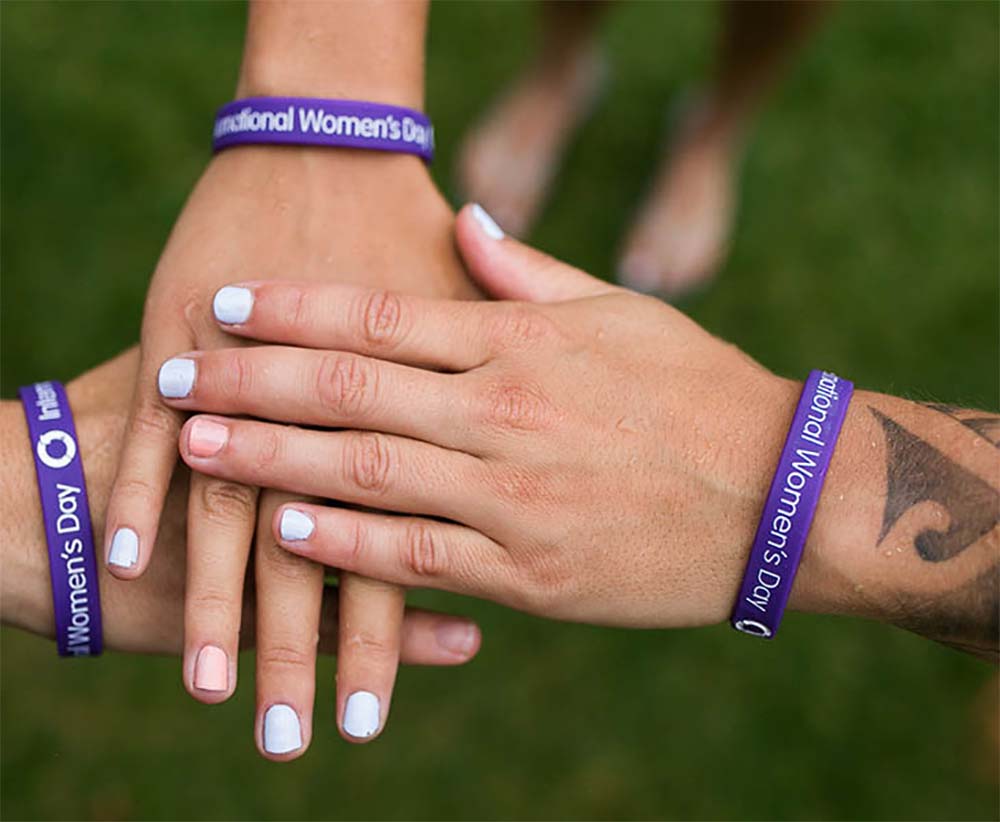
The colors purple, green, and white have become symbolic of International Women's Day, originating from the Women's Social and Political Union in the UK in 1908. Purple signifies justice and dignity, green symbolizes hope, and white represents purity (though this last symbol has become controversial).
The Road to Gender Equality: What Needs to Happen
While International Women's Day celebrates progress, it also highlights how much work remains. Experts identify several key areas requiring accelerated action:
- Closing the pay gap: Implementing transparent salary structures and addressing occupational segregation.
- Increasing political representation: Implementing quotas and supporting women in leadership positions.
- Combating gender-based violence: Strengthening legal protections and support services for survivors.
- Improving healthcare access: Ensuring reproductive rights and addressing gender-specific health issues.
- Promoting STEM education: Encouraging girls to pursue science, technology, engineering, and mathematics fields.
The World Economic Forum emphasizes that closing the gender gap could add $12 trillion to global GDP by 2025. However, achieving this requires coordinated efforts from governments, businesses, and civil society.
Key Takeaways About International Women's Day
As International Women's Day continues to evolve, several key points remain constant:
- Date: Always celebrated on March 8, with roots in early 20th century labor movements and the 1917 Russian Revolution.
- Purpose: To celebrate women's achievements, raise awareness about gender inequality, and advocate for women's rights.
- Global reach: Observed in over 100 countries, with official holiday status in more than 25 nations.
- 2025 theme: "For ALL women and girls: Rights. Equality. Empowerment" reflects the urgent need for accelerated action.
- Progress timeline: At current rates, gender parity won't be achieved until 2158—highlighting the need for immediate action.
International Women's Day serves as both a celebration of how far women have come and a reminder of how far we still have to go. Whether through participating in events, educating oneself about women's issues, or advocating for policy changes, everyone can contribute to creating a more gender-equal world.