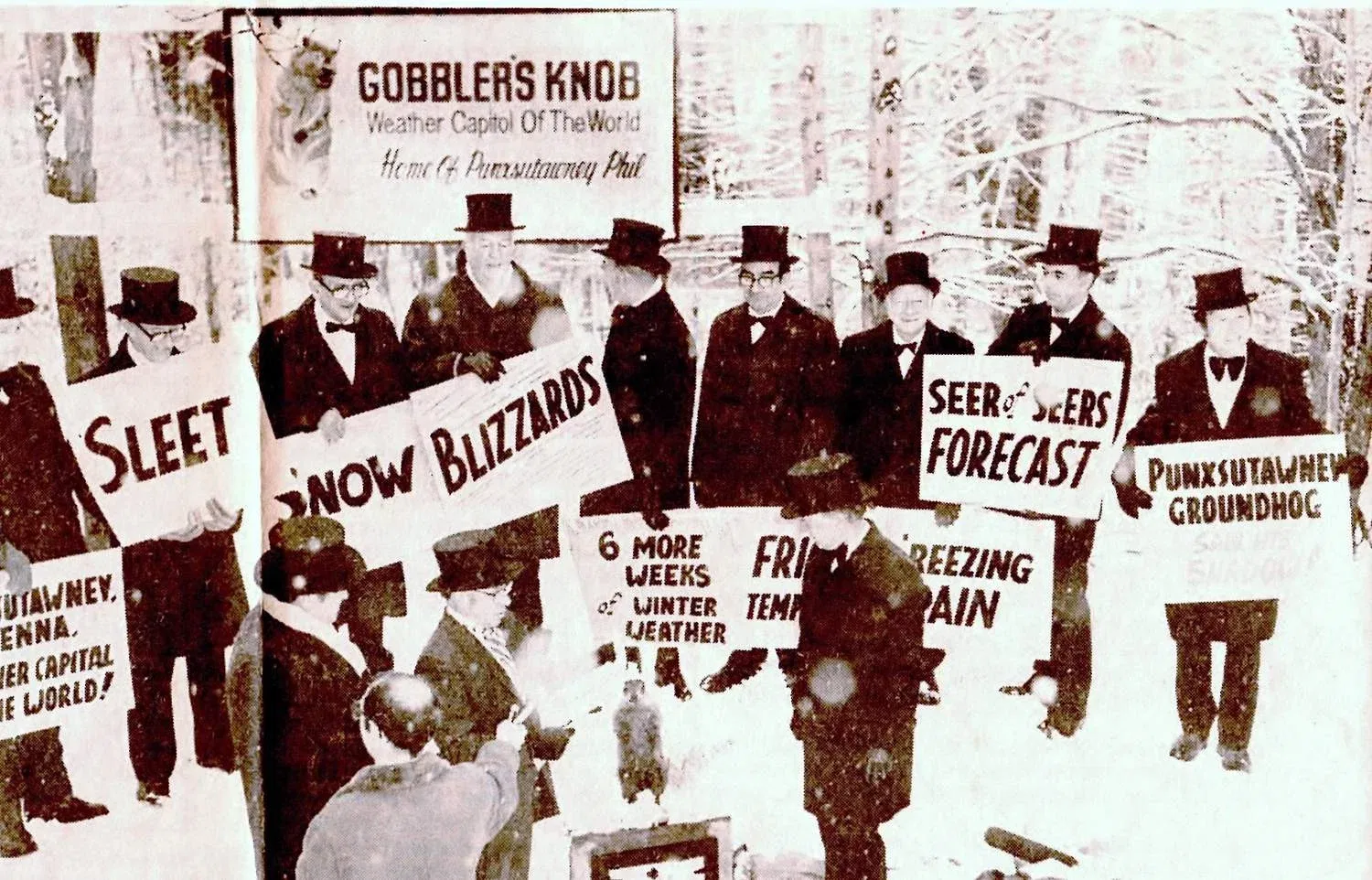
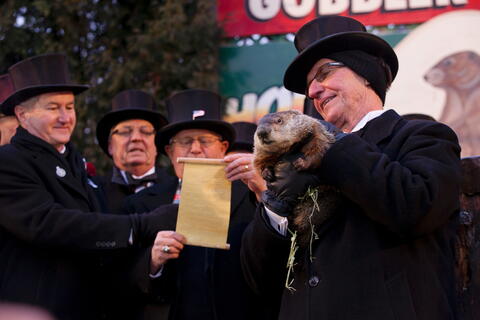
On February 2, 2026, Punxsutawney Phil emerged from his burrow at Gobbler's Knob in western Pennsylvania and saw his shadow, predicting six more weeks of winter according to the Groundhog Day tradition that dates back to 1887. This annual event, watched by thousands in person and millions via broadcast, represents one of America's most unique weather-prediction customs rooted in Pennsylvania Dutch folklore.
How Groundhog Day Predicts Spring: The Legend Behind the Tradition
Groundhog Day operates on a simple premise rooted in European weather lore: if a groundhog emerges from hibernation on February 2 and sees its shadow due to clear weather, it will retreat to its burrow, signaling six more weeks of winter. If the day is cloudy and shadowless, the groundhog stays above ground, forecasting an early spring. This tradition stems from ancient Candlemas celebrations brought to Pennsylvania by German immigrants, who originally used hedgehogs for similar predictions before adapting to local groundhogs.
From 1887 to Today: The Evolution of Groundhog Day
The first official Groundhog Day celebration occurred on February 2, 1887, when a group of Punxsutawney residents traveled to Gobbler's Knob to consult a groundhog about the weather. The event was promoted by newspaper editor Clymer Freas and quickly gained popularity. By the early 20th century, the tradition had solidified around a single groundhog named Punxsutawney Phil, who according to legend is the same animal that has been making predictions for over a century, sustained by a magical "elixir of life."
Analyzing the Accuracy: How Reliable Are Phil's Predictions?
While Groundhog Day is primarily a cultural tradition, meteorologists have tracked Punxsutawney Phil's accuracy for decades. According to NOAA data, Phil's predictions have been correct approximately 35-39% of the time over more than a century of records. This compares to a 50% accuracy rate that would be expected from random chance. Some regional groundhogs like Staten Island Chuck and Holtsville Hal have shown slightly better accuracy rates, but all groundhog predictions fall short of modern meteorological forecasting methods.
The 2026 Prediction: What Phil's Shadow Means This Year
At 7:25 a.m. ET on February 2, 2026, with temperatures hovering around -2°F, Punxsutawney Phil saw his shadow, marking the 110th time in recorded history he has predicted six more weeks of winter. The announcement came before a crowd of approximately 18,000 spectators who braved freezing conditions at Gobbler's Knob. This prediction aligns with Phil's historical tendency to forecast longer winters—he has predicted six more weeks of winter 109 times versus just 21 early spring forecasts in the recorded history of the event.
Beyond Punxsutawney: Other Groundhog Day Predictions Across North America
While Punxsutawney Phil is the most famous weather-predicting groundhog, he's not alone. Across North America, numerous groundhogs and other animals make similar predictions each February 2. Buckeye Chuck in Ohio predicted an early spring for 2026, while Wiarton Willie in Ontario also forecast an early spring. This divergence highlights the regional nature of the tradition and adds to the folklore surrounding the day.
The Cultural Impact: From Folklore to Modern Celebration
Groundhog Day has evolved from a simple weather superstition into a major cultural event, boosted by the 1993 film "Groundhog Day" starring Bill Murray. The movie's theme of reliving the same day repeatedly has become embedded in popular culture, with the phrase "Groundhog Day" now describing any repetitive situation. The actual celebration in Punxsutawney has grown to include multi-day festivals, attracting tourists from around the world and generating significant economic impact for the region.
Looking Ahead: The Future of Groundhog Day Traditions
As climate patterns change and weather prediction technology advances, Groundhog Day continues to adapt while maintaining its traditional roots. The Punxsutawney Groundhog Club has embraced modern technology with live streaming and social media coverage, ensuring the tradition reaches global audiences. While meteorologists emphasize that groundhogs aren't reliable weather predictors, the cultural value of the event ensures its continuation as a unique piece of American folklore that brings communities together each February.
Key Takeaways: Understanding Groundhog Day Essentials
- Prediction Method: Clear weather = shadow = six more weeks of winter; Cloudy weather = no shadow = early spring
- Historical Accuracy: Punxsutawney Phil's predictions have been correct about 35-39% of the time
- 2026 Forecast: Phil saw his shadow, predicting six more weeks of winter
- Origin: Pennsylvania Dutch tradition dating to 1887 in Punxsutawney, Pennsylvania
- Cultural Significance: Major annual event that combines folklore, community celebration, and weather lore