On January 1, 2024, a magnitude 7.5 earthquake struck Japan's Noto Peninsula, lifting the coastline by over 4 meters in some areas and reminding the world why Japan remains one of the most seismically active countries on Earth. With approximately 20% of the world's magnitude 6+ earthquakes occurring in Japan and tremors happening every five minutes on average, understanding how earthquakes work isn't just academic—it's essential for survival in a nation where the ground beneath your feet is constantly in motion.
The Science Behind Earthquakes: How the Earth Moves
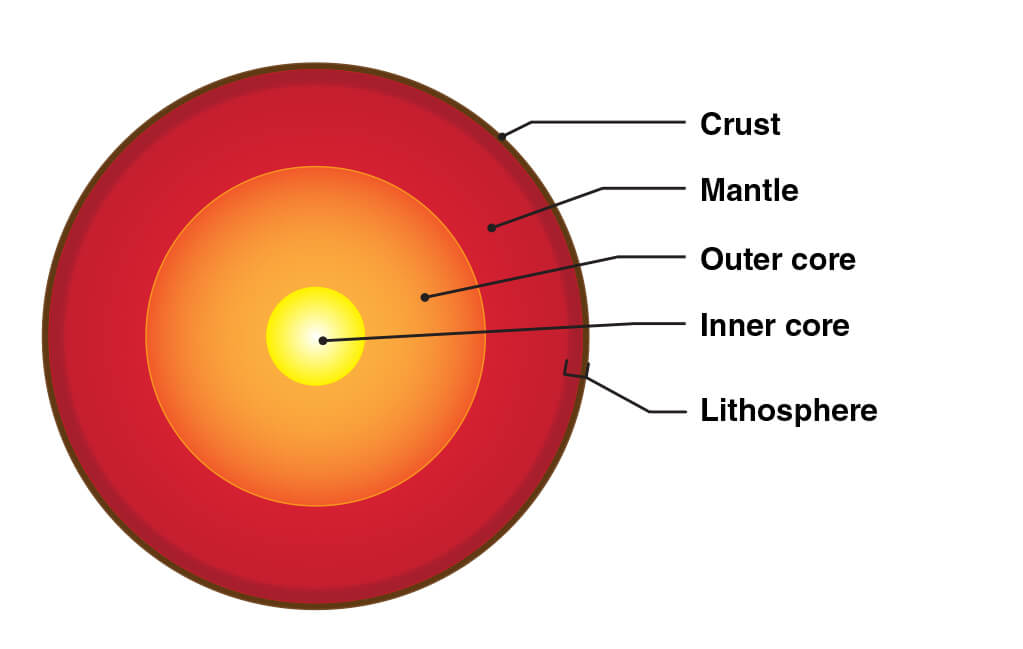
Earthquakes occur when the ground is subjected to so much force that it fractures or breaks, according to the British Geological Survey. Our planet may look solid from the surface, but it's actually incredibly active just below. The Earth is made of four basic layers: a solid crust, a hot nearly solid mantle, a liquid outer core, and a solid inner core. The solid crust and top stiff layer of the mantle form what scientists call the lithosphere.
This lithosphere isn't one continuous shell but rather a series of giant puzzle pieces called tectonic plates. These plates float on the viscous, slowly flowing mantle beneath them, constantly shifting—though usually so slowly we can't feel it. When these plates collide, slide past each other, or pull apart, tremendous stress builds up along their edges. According to NASA's Space Place, when this stress becomes too great, the rock suddenly breaks along what's called a fault line, releasing stored energy in the form of seismic waves that we feel as ground shaking.
Why Japan Is an Earthquake Hotspot: The Ring of Fire
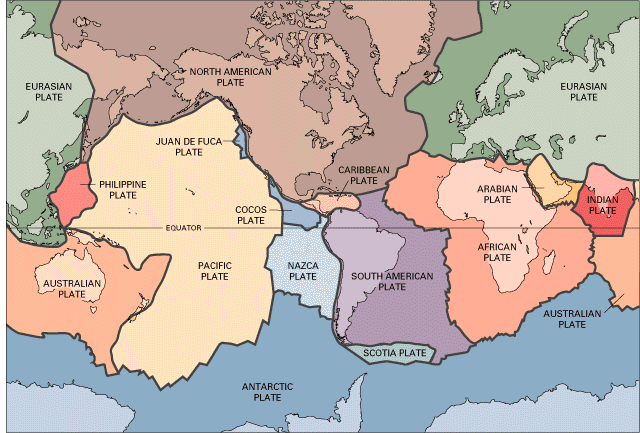
Japan's location makes it uniquely vulnerable to earthquakes. The country sits at the crossroads of four major tectonic plates: the Pacific Plate, the Philippine Sea Plate, the Eurasian Plate, and the North American Plate. This convergence occurs along the "Pacific Ring of Fire," a horseshoe‑shaped zone around the Pacific Ocean where about 90% of the world's earthquakes occur.
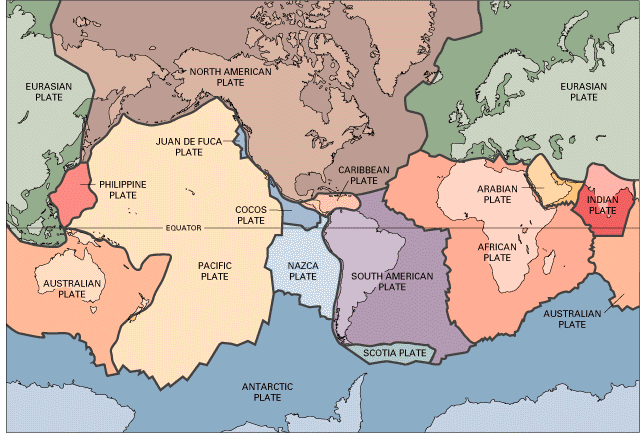
In Japan, the Pacific Plate is actually sliding beneath the Okhotsk Plate (part of the North American Plate) in a process called subduction. This subduction zone is responsible for some of Japan's most powerful earthquakes, including the devastating 2011 Tōhoku earthquake. As ABC News reports, Japan experiences approximately 20% of the world's magnitude 6 or greater earthquakes, with a tremor occurring at least every five minutes somewhere in the country.
Measuring the Unmeasurable: How Scientists Track Earthquakes
Scientists measure earthquakes using instruments called seismometers that detect seismic waves traveling through the Earth. These waves are recorded as a series of zig‑zags that reveal critical information about the earthquake's time, location, and intensity. The most common measurement scales are magnitude (which measures the energy released at the source) and intensity (which measures the shaking effects at a specific location).
Japan uses its own unique scale called the Japan Meteorological Agency (JMA) seismic intensity scale, which ranges from 0 (imperceptible) to 7 (disastrous). This scale is particularly useful for communicating immediate danger to the public, as it describes what people will actually experience during different levels of shaking—from hanging objects swinging slightly at level 3 to most buildings suffering severe damage at level 7.
When the Ground Shakes: What to Do During an Earthquake
Japan's extensive earthquake preparedness education has saved countless lives. The basic rules are simple but critical: Drop, Cover, and Hold On. When you feel shaking, immediately drop to your hands and knees to prevent being knocked down. Take cover under a sturdy table or desk, and hold on until the shaking stops. If you're outdoors, move to an open area away from buildings, trees, and power lines. If you're driving, pull over to the left side of the road and stop.
According to Japan's disaster preparedness guidelines, you should never run outside during an earthquake—falling debris from buildings poses the greatest danger. Instead, protect yourself where you are until the shaking stops, then evacuate carefully if necessary, watching for aftershocks that frequently follow major earthquakes.
Learning from History: Japan's Major Earthquakes
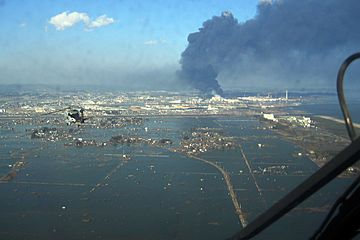
Japan's history is marked by devastating earthquakes that have shaped the nation's approach to disaster preparedness. The 2011 Tōhoku earthquake and tsunami remains one of the most powerful ever recorded, with a magnitude of 9.0 that triggered tsunami waves reaching heights of 40 meters in some areas.
More recently, the 2024 Noto Peninsula earthquake demonstrated how even a magnitude 7.5 quake can dramatically alter landscapes, lifting the coastline by over 4 meters in places. These events remind us that while we cannot prevent earthquakes, we can learn from them to build more resilient communities and improve early warning systems.
Building for the Future: Japan's Earthquake‑Resistant Technology
Japan leads the world in earthquake‑resistant engineering. Modern Japanese buildings incorporate several innovative technologies: base isolation systems that allow buildings to move independently from ground motion, damping systems that absorb seismic energy, and flexible materials that bend rather than break. Even traditional wooden structures are now built with special joints that allow movement without collapse.
The country's early warning system is equally impressive. When seismometers detect the first, less‑damaging P‑waves of an earthquake, alerts are broadcast seconds to minutes before the more destructive S‑waves arrive. This gives people time to take cover, trains time to slow down, and factories time to shut down dangerous processes—potentially saving countless lives.
Staying Safe: Essential Earthquake Preparedness Tips
Being prepared can make all the difference when an earthquake strikes. Japan's disaster preparedness authorities recommend creating an emergency kit containing at least three days' worth of water (3 liters per person per day), non‑perishable food, a first‑aid kit, flashlights, batteries, a portable radio, and important documents. You should also secure heavy furniture to walls, install window film to prevent glass shattering, and know your local evacuation routes and shelters.
Practice regular family earthquake drills so everyone knows what to do. Identify safe spots in each room—under sturdy tables or against interior walls away from windows. And remember: after a major earthquake, be prepared for aftershocks that can continue for days, weeks, or even months, sometimes causing additional damage to weakened structures.
While Japan's relationship with earthquakes is unavoidable, the nation's commitment to understanding, preparing for, and living with these natural events offers lessons for the world. Through scientific research, engineering innovation, and public education, Japan has transformed from a victim of seismic forces to a global leader in earthquake resilience. As climate change and population growth increase disaster risks worldwide, Japan's experience reminds us that knowledge and preparation are our most powerful tools when the ground beneath us decides to move.