Winter Storm Fern is unleashing heavy snow and dangerous ice accumulation across the Deep South this weekend, with forecasts predicting destructive impacts across 34 states through Monday. As the massive storm system spreads from Texas to Maine, meteorologists are warning of potentially historic ice accumulation in the Southeast that could lead to widespread power outages, tree damage, and impossible travel conditions. But what exactly is a winter storm, how do these powerful weather systems form, and why can they be so dangerous?
How Winter Storms Form: The Science Behind Snow and Ice
According to the UCAR Center for Science Education, winter storms begin with the same basic ingredients as other storms: moist air rising into the atmosphere. This rising air is essential for cloud formation and precipitation. The process typically happens at cold fronts, where warm air is lifted above cold air, or when air moves up large hills or mountains. But what makes a winter storm different is the temperature profile throughout the atmosphere.
The National Weather Service explains that winter storms require three key components: rising moist air, a source of moisture (like air blowing across large lakes or oceans), and cold air at multiple levels. Below-freezing temperatures near the ground and up to the cloud level cause precipitation to fall as snow or ice. Interestingly, extremely cold air can't hold as much moisture, which is why some of the coldest places on Earth, like Antarctica, receive relatively little precipitation despite being frozen year-round.
From Snow Flurries to Blizzards: The Different Types of Winter Storms
Not all winter storms are created equal. Meteorologists classify them into four main categories based on their characteristics and formation mechanisms.
Snowstorms
When precipitation falls primarily as snow, it's classified as a snowstorm. Snow forms within clouds when temperatures are cold enough for water vapor to condense into ice crystals. These crystals stick together as they fall, creating snowflakes. If the air temperature remains at or below freezing from the cloud to the ground, the precipitation stays as snow. The National Weather Service notes that even typically warm southern cities like Atlanta and Dallas have been paralyzed by snow and ice from unexpected winter storms.
Blizzards
Blizzards are severe snowstorms defined by their wind speeds rather than snowfall amounts. According to UCAR, a storm is classified as a blizzard when it has wind speeds at or above 35 mph (56 kph) for three or more hours. These strong winds create blowing snow conditions where snow on the ground is picked up, reducing visibility to near-zero and creating dangerous whiteout conditions. Blizzards often lead to significant snow accumulation, either from new snowfall or redistribution of existing snow.
Lake Effect Storms
Unlike most snowstorms that form from large-scale weather systems, lake effect storms develop due to the unique geography of the Great Lakes region. When cold, dry air from the north passes over the relatively warm lake waters, it picks up massive amounts of moisture. This moisture then condenses and falls as heavy snow on the downwind shores, particularly affecting areas south and east of the lakes. These storms can dump feet of snow in localized areas while nearby regions remain relatively clear.
Ice Storms
Perhaps the most dangerous type of winter storm, ice storms occur when at least 0.25 inches of ice accumulates on outdoor surfaces. The ice forms a slick layer that makes driving and walking extremely hazardous and can cause tree branches and power lines to snap under the weight. According to UCAR, freezing rain—a key component of ice storms—forms when snowflakes melt into raindrops as they pass through a warm layer of air, then become supercooled as they fall through a shallow layer of freezing air near the ground. These droplets freeze instantly upon contact with cold surfaces.
Why Winter Storms Are So Dangerous: Understanding the Risks
The National Weather Service reports that thousands of people are injured or killed every year in traffic accidents related to slippery roads from winter storms. But transportation hazards are just one of many dangers these storms present.
Primary risks include:
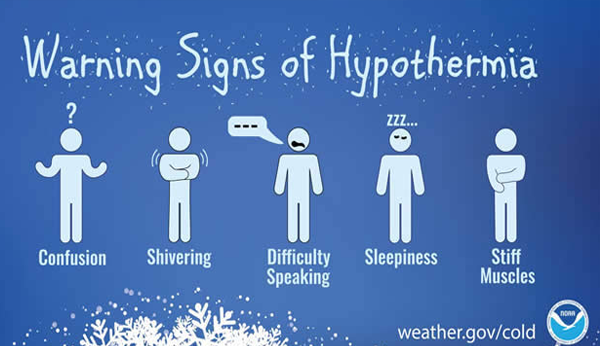
- Hypothermia and frostbite: Prolonged exposure to cold temperatures can lead to life-threatening medical conditions.
- Power outages: Ice accumulation can bring down power lines, leaving homes without heat during the coldest months.
- Tree damage: Heavy snow and ice can cause branches or entire trees to fall, damaging property and blocking roads.
- Isolation: Severe storms can strand people in their homes or vehicles for extended periods.
- Carbon monoxide poisoning: Improper use of generators or heating devices in enclosed spaces creates deadly risks.
The Weather Channel's coverage of Winter Storm Fern highlights these dangers, noting that the storm could bring "catastrophic" ice accumulation to parts of the Southeast, with long-duration power outages, extensive tree damage, and dangerous to impossible travel conditions expected.
Where Winter Storm Fern Is Heading Next
As of the latest forecasts, Winter Storm Fern is bringing heavy snow and widespread icing to the Deep South, with snow accumulations already topping 5 inches in parts of Arkansas. The storm is expected to spread destructive ice and heavy snow over 34 states through Monday, including the Midwest and Northeast.
Key impacts expected include:
- Southeast: Ice accumulations of 0.25 to 1 inch in cities like Atlanta, Charlotte, Nashville, Raleigh, and Greenville
- Northeast: Widespread snow totals of at least 8 inches, with many areas possibly seeing over a foot of snow
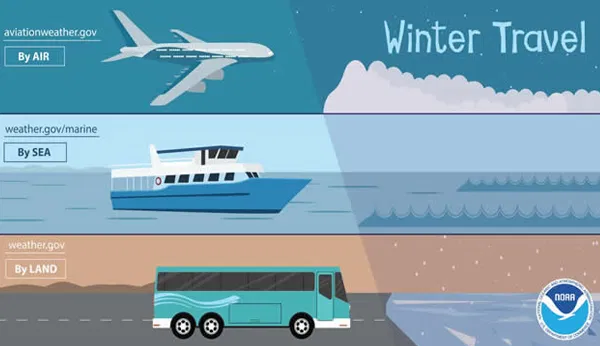
- Travel disruption: Major concerns along the I-95 corridor with potential for numerous air travel delays or cancellations in hubs like Philadelphia, New York City, and Boston
- Power outages: Likely in areas with significant ice accumulation due to tree damage and line weight
Meteorologists emphasize that this storm could be historic in its scope and impact, affecting over 200 million people across its path.
How to Stay Safe During Winter Weather
The National Weather Service issues three levels of winter weather alerts to help people prepare:
Winter Weather Warning: Take action! It is highly likely that a winter storm will impact your area. Be prepared for heavy snow or ice, strong winds, and freezing temperatures that will make travel and outdoor exposure dangerous.
Winter Weather Watch: Be prepared! Conditions are favorable for a winter storm in your area, and there is potential for severe winter weather. If a winter storm does hit, be ready for dangerous conditions.
Winter Weather Advisory: Be aware! Winter weather conditions should be expected but won't be severe enough to meet warning levels. Exercise caution when traveling and avoid prolonged outdoor exposure.
Essential safety preparations include:
- Stocking emergency supplies (food, water, medications) for at least three days
- Preparing your home by insulating pipes and ensuring adequate heating fuel
- Having a battery-powered weather radio to receive alerts if power fails
- Creating a family emergency plan with communication protocols
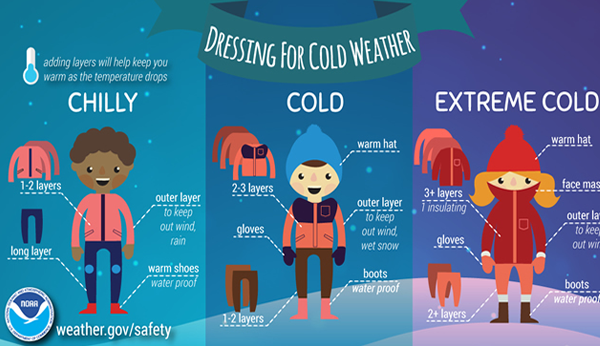
- Winterizing your vehicle with emergency supplies, blankets, and sand or kitty litter for traction
Key Facts About Winter Storms You Need to Know
Understanding winter storms isn't just about meteorology—it's about safety and preparedness. Here are the essential takeaways:
- Winter storms form when moist air rises, meets a moisture source, and encounters below-freezing temperatures at multiple atmospheric levels.
- The four main types—snowstorms, blizzards, lake effect storms, and ice storms—each present unique hazards.
- Blizzards are defined by wind speed (35+ mph for 3+ hours) rather than snowfall amount.
- Ice storms require at least 0.25 inches of ice accumulation and can cause catastrophic damage to infrastructure.
- Winter Storm Fern demonstrates how these systems can affect dozens of states simultaneously, highlighting the importance of preparedness.
- Always heed winter weather alerts from the National Weather Service and have an emergency plan ready before storms arrive.
By understanding how winter storms work and taking proper precautions, you can better protect yourself, your family, and your property during these powerful weather events. Stay informed about current conditions through reliable sources like the National Weather Service, and remember that preparation is the best defense against winter's worst weather.