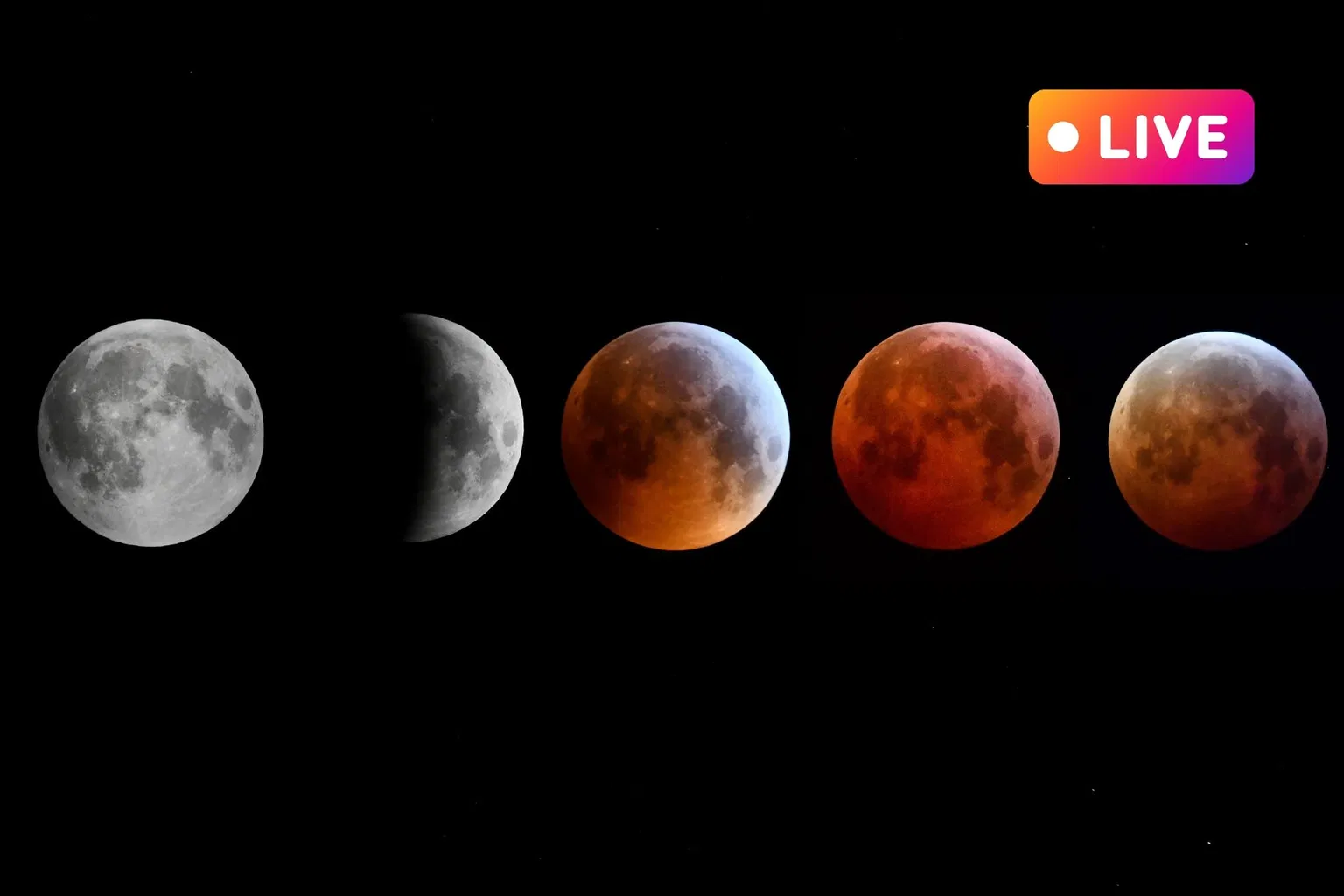
On March 2-3, 2026, skywatchers across North America, Australia, New Zealand, and eastern Asia will witness a spectacular celestial event—a total lunar eclipse that will transform the full moon into a dramatic "blood moon." This astronomical phenomenon occurs when Earth moves directly between the Sun and Moon, casting our planet's shadow across the lunar surface in a display that has fascinated humans for millennia. Unlike solar eclipses that require special eye protection, lunar eclipses are completely safe to observe with the naked eye, offering everyone a chance to witness one of nature's most breathtaking shows.
How Lunar Eclipses Work: The Science Behind the Shadow
Lunar eclipses occur during a precise alignment of the Sun, Earth, and Moon—an event astronomers call syzygy. When Earth positions itself directly between the Sun and Moon, our planet blocks sunlight from reaching the lunar surface, casting what's known as Earth's umbra (central shadow) and penumbra (partial shadow). According to NASA, "During a lunar eclipse, Earth's shadow obscures the Moon" in a gradual process that can take several hours from start to finish. This differs from solar eclipses where the Moon blocks the Sun, creating a temporary daytime darkness along a narrow path on Earth's surface.
The moon doesn't completely disappear during a total lunar eclipse because Earth's atmosphere bends sunlight around our planet, filtering out blue light through a process called Rayleigh scattering while allowing red wavelengths to pass through and illuminate the lunar surface. This is why total lunar eclipses are often called "blood moons"—the moon takes on a reddish-orange hue that can range from copper to deep crimson depending on atmospheric conditions. As the Natural History Museum explains, "A lunar eclipse is what happens when, if you were standing on the Moon, you would see Earth block out the Sun."
Timeline: When and Where to See the 2026 Blood Moon
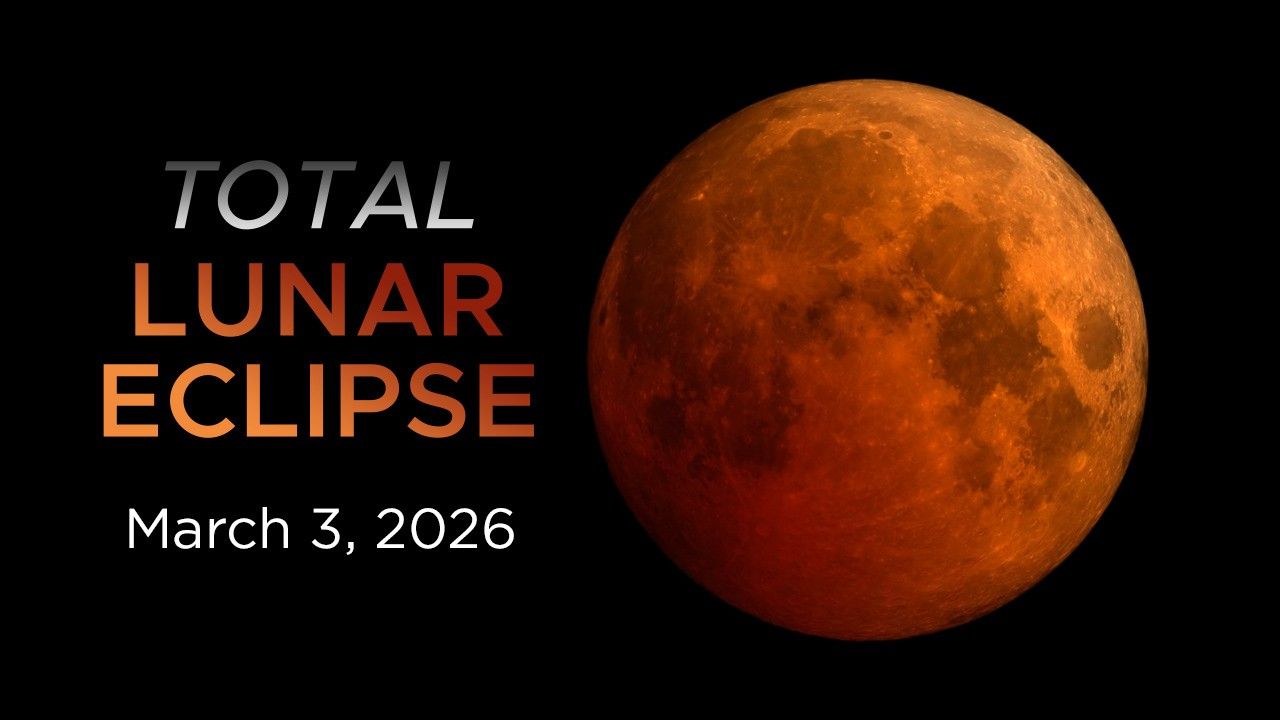
The March 2026 total lunar eclipse will unfold over several hours, with the most dramatic totality phase lasting approximately 58 minutes. According to Time and Date, the eclipse begins on the evening of March 2 for observers in Asia and Australia, transitioning to the early morning hours of March 3 for those in North America. The event will be visible in its entirety from the western half of North America, Australia, New Zealand, and eastern Asia, while observers in Europe, Africa, and the UK will miss this particular eclipse due to their daytime hours during the event.
Specific timing varies by location, but generally, the partial eclipse phase begins when the moon first enters Earth's umbral shadow, followed by totality when the entire moon is within the darkest part of Earth's shadow. The umbral magnitude for this eclipse is calculated at 1.1507, indicating a particularly deep eclipse where the moon will pass through the central portion of Earth's shadow. Space.com notes that "the March 2026 total lunar eclipse will bring a dramatic blood moon to skies across North America, Australia, New Zealand and eastern Asia" with the best views from the Pacific region.
Why Blood Moons Appear Red: Atmospheric Magic
The crimson coloration of blood moons results from Earth's atmosphere acting as a giant lens and filter. As sunlight passes through our planet's atmospheric shell, shorter blue wavelengths scatter in all directions (creating our blue daytime sky), while longer red wavelengths bend around Earth and continue toward the moon. This phenomenon, known as Rayleigh scattering, is the same process that creates red sunrises and sunsets. The exact color and brightness of a blood moon depend on atmospheric conditions—volcanic eruptions, dust storms, or pollution can make the moon appear darker and more deeply red.
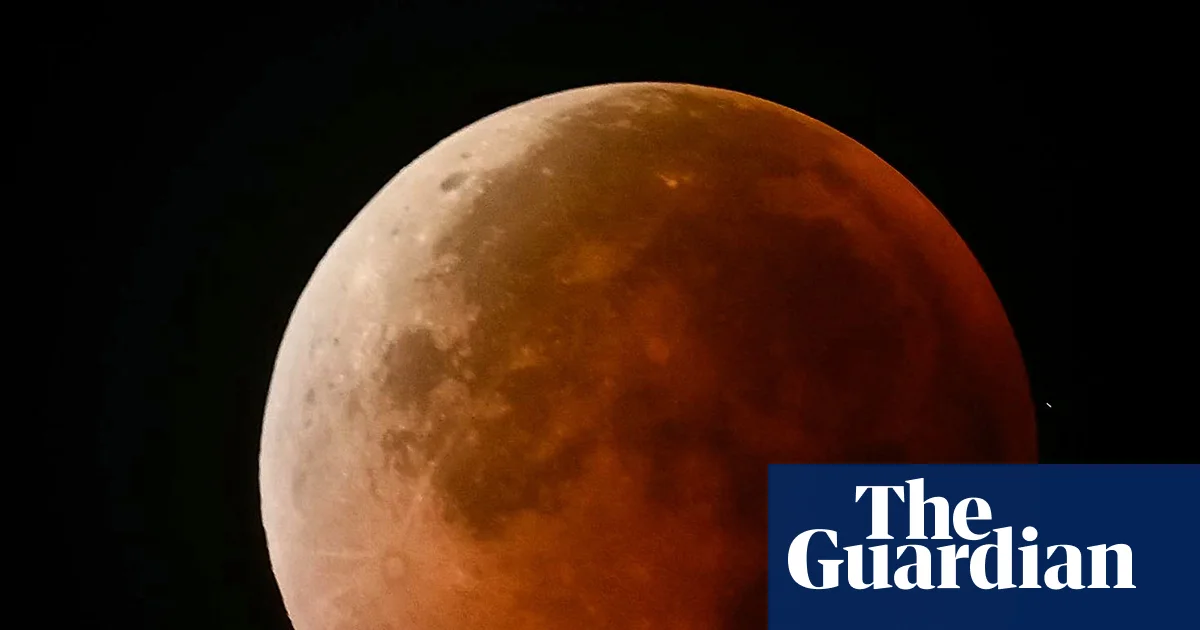
There are three main types of lunar eclipses: total (entire moon in Earth's umbra), partial (only part of moon enters umbra), and penumbral (moon passes through Earth's faint outer shadow). The March 2026 event will be a total lunar eclipse, offering the most dramatic visual display. As The Guardian reports, "The total lunar eclipse will be visible in the early morning of Tuesday 3 March in some parts of the Americas," providing an opportunity to see the complete transformation from bright full moon to blood moon.
Current Visibility: Who Gets the Best View
For the March 2026 eclipse, visibility maps show that the entire event will be visible from Alaska, Hawaii, western Canada, and the western United States, where observers can watch the eclipse from start to finish during the evening hours. In Australia and New Zealand, the eclipse occurs during late evening hours, while in eastern Asia including Japan, China, and the Philippines, the eclipse happens in the early evening. Unfortunately, as Space.com notes, "the lunar eclipse wasn't visible in the UK, Europe or Africa," with those regions experiencing daytime during the event.
The International Space Station crew may have a unique perspective—viewing the eclipse from above Earth's atmosphere, they would see our planet's circular shadow moving across the moon's surface. Back on Earth, no special equipment is needed to enjoy the spectacle, though binoculars or a small telescope can enhance views of surface details as the moon darkens. Urban light pollution has minimal effect on lunar eclipse visibility since the moon remains bright enough to see even from cities.
What Happens Next: Future Lunar Eclipses
Following the March 2026 total lunar eclipse, the next lunar eclipse will be a partial eclipse on August 28, 2026, primarily visible from the Americas and Africa. Lunar eclipses typically occur in cycles called eclipse seasons, with about two to five lunar eclipses happening each year, though not all are total eclipses. The next total lunar eclipse visible from North America after March 2026 will occur on December 31, 2028, offering another blood moon opportunity for skywatchers.
Eclipse predictions have become remarkably accurate thanks to centuries of astronomical observations and modern computer modeling. Scientists can now calculate eclipse timing down to fractions of a second and predict visibility patterns centuries into the future. This precision allows both amateur astronomers and casual observers to plan their eclipse viewing experiences well in advance, ensuring they don't miss these celestial milestones.
The Bottom Line: Key Points to Remember
Total lunar eclipses like the March 2026 blood moon offer accessible astronomy for everyone—no special equipment needed, completely safe to view, and visible from anywhere on Earth's night side during the event. The red coloration comes from sunlight filtering through Earth's atmosphere, with the moon passing through our planet's shadow in a precise alignment that occurs several times each decade. Whether you're in North America, Australia, or Asia, mark your calendars for March 2-3, 2026, to witness one of nature's most dramatic celestial displays.