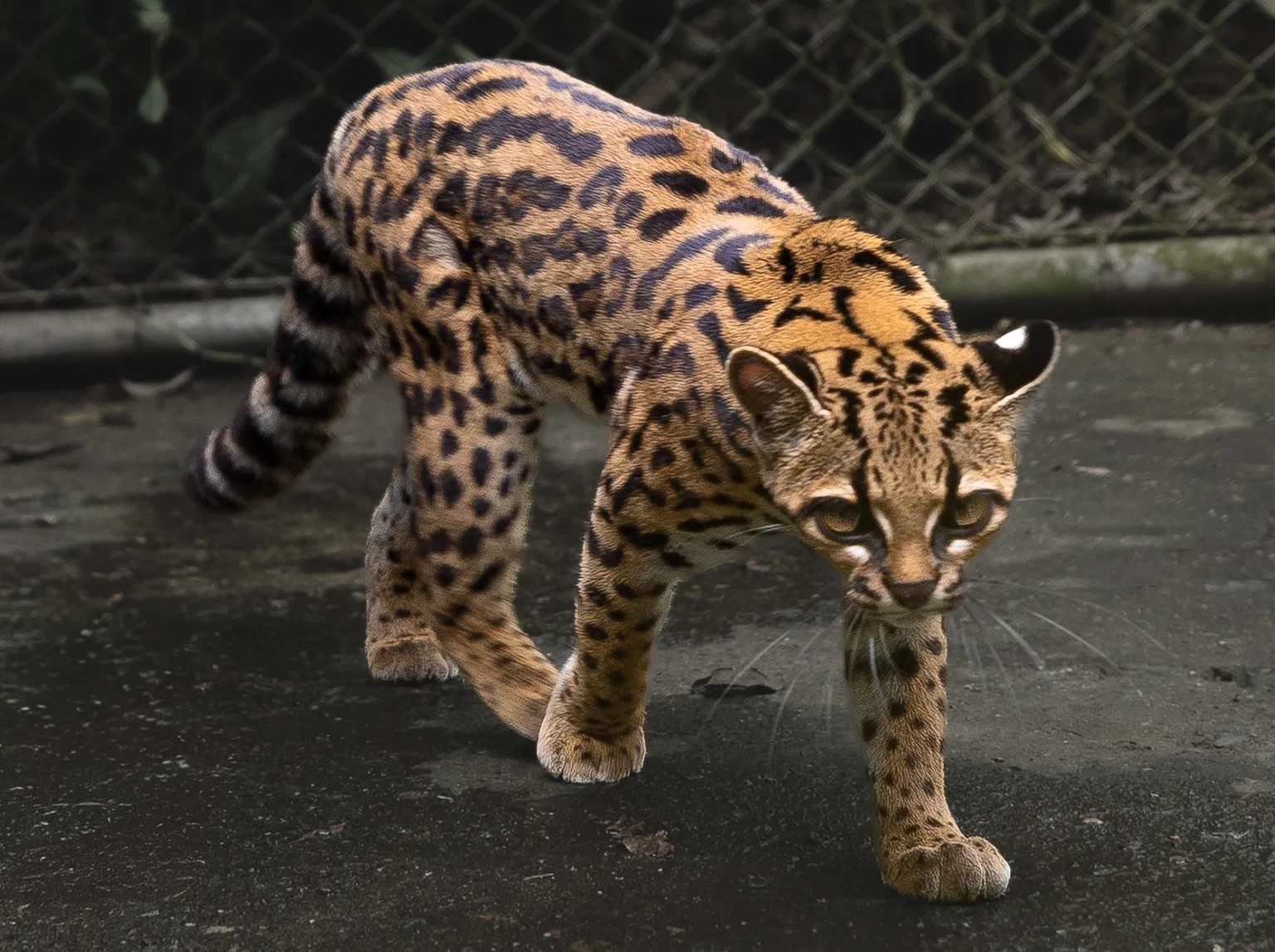
For the first time in more than a century, scientists have formally described a brand-new species of cat. The tilcayo (Leopardus tilcayo) is a small, spotted wildcat from the cloud forests of Bolivia, and its naming — announced in a September 2026 study in the journal Current Biology — makes it the first new living cat species recognized by science since 1923.
The twist in the story is that the animal was never truly unknown. People living in the Bolivian Yungas had long called it the tilcayo, passing the name down through generations. What was missing was scientific proof that this cat was genetically distinct from other small spotted felines known as tiger cats — a group so similar in appearance that even experts struggle to tell the species apart.
The identification came through a large-scale genetic analysis of tiger cats across South and Central America, and it serves as a reminder of how much biodiversity remains hidden in the Andes-Amazon region, one of the least-studied places on Earth.
What Is the Tilcayo? A Tiny Tiger Cat Hiding in Plain Sight
The tilcayo belongs to the genus Leopardus, a group of small New World cats that includes the ocelot, margay, and Geoffroy's cat. Within that genus, it sits inside what researchers call the tiger cat complex — a cluster of small, spotted felines that look so alike they are treated as "cryptic species."
Scientists have long debated how many tiger cat species actually exist. The new study resolved the group into five distinct species, including the newly named Leopardus tilcayo. Genetic evidence suggests the tilcayo split from other Leopardus species more than 1.4 million years ago.
The paper, titled "Phylogenomics and museomics reveal five distinct species of tiger cats in South America," was published September 17, 2026, in Current Biology. It drew on DNA from 38 cats across South and Central America, including 26 tiger cat specimens, and its co-lead author, evolutionary ecologist Jonas Lescroart of the University of Antwerp, called it "the most complete genetic study yet" of tiger cats.
From 'Stray Kitten' to New Species: How the Tilcayo Was Found
The discovery began almost a decade ago with a case of mistaken identity. In 2016, Bolivian biologist and National Geographic Society explorer Paola Nogales-Ascarrunz received a call from the Senda Verde Wildlife Sanctuary. A local man in La Paz had found a kitten he assumed was a house cat, and had spent roughly a year feeding it noodles, rice, and eggs before realizing it needed professional wildlife care.
Nogales-Ascarrunz photographed the cat and, like everyone else, assumed it was an unusual-looking member of the related oncilla (Leopardus tigrinus). Then, in 2019, while preparing an illustrated guide to Bolivia's cat species, she noticed the sanctuary cat looked distinct from the oncilla.
Finally, in 2026, genomic analysis confirmed the animal as a distinct species. Researchers used DNA from the living cat — now nicknamed "Tigrino" — together with genetic material from museum specimens. "Its fur is light brown ... with irregularly shaped rosettes across its body," Nogales-Ascarrunz later described.
What the Tilcayo Looks Like: Size, Coat, and Features
The tilcayo is smaller than a typical house cat. It measures about 42.5 to 50 centimeters (16.7–19.7 inches) from head to body, with a tail of 25 to 26.5 centimeters, and weighs just 1.5 to 2 kilograms (3.3–4.4 pounds).
Its coat is light brown and marked with large, irregularly shaped rosettes that are dark brown to black. The rosettes appear mostly open or partially closed and do not merge together. The cat has short, round ears, long whiskers, and a somewhat scrunched-up face.
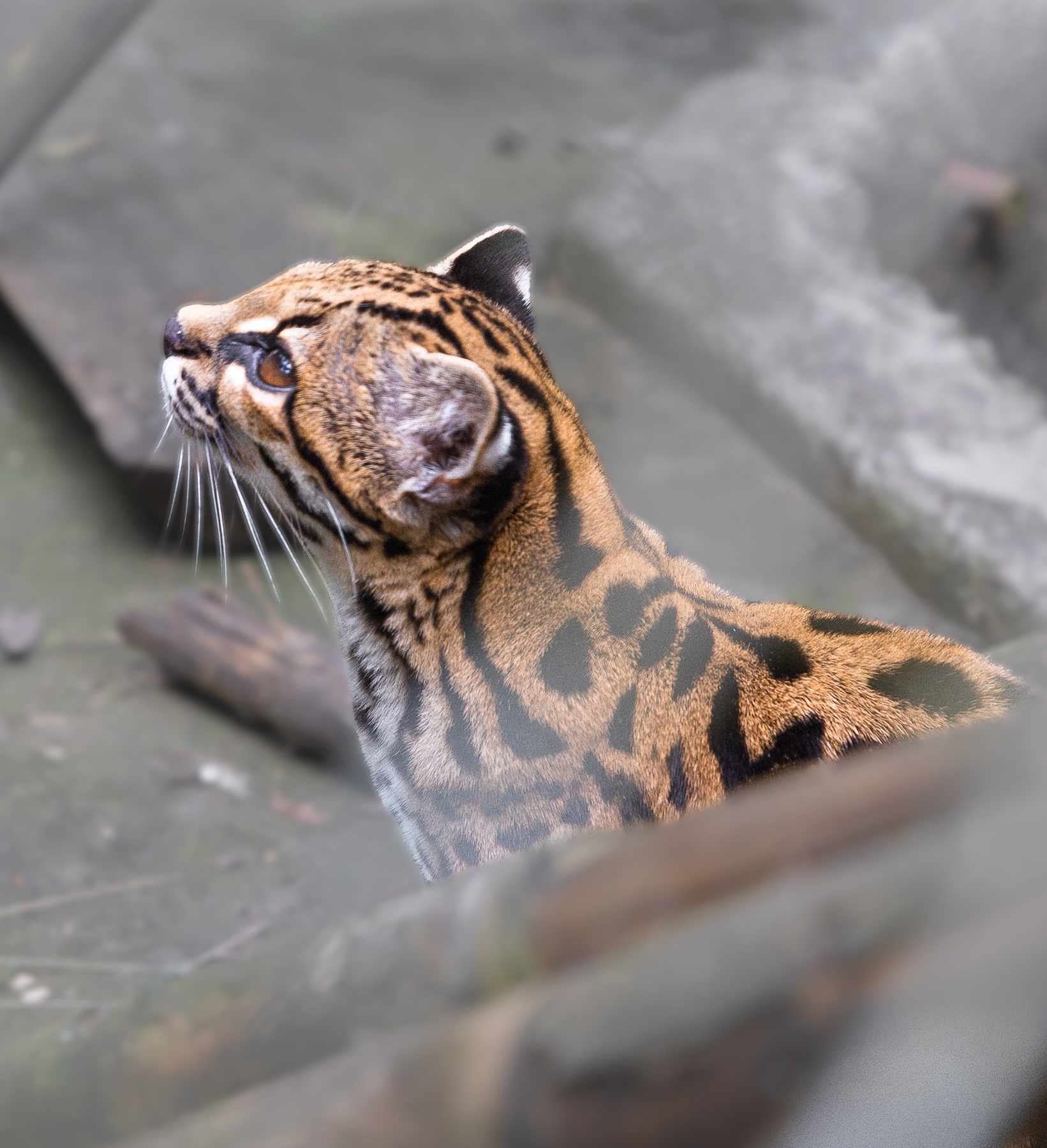
These features are subtle enough that the tilcayo is nearly indistinguishable from its tiger cat relatives by sight alone — which is exactly why it took DNA analysis to confirm the species.
Where the Tilcayo Lives: Bolivia's Cloud Forests
The tilcayo is native to the Yungas, a band of lush cloud forest on the eastern slope of the Andes. The specimen that sparked the discovery was found near the town of Arapata in Nor Yungas Province, La Paz Department, at roughly 1,570 meters (5,150 feet) above sea level.
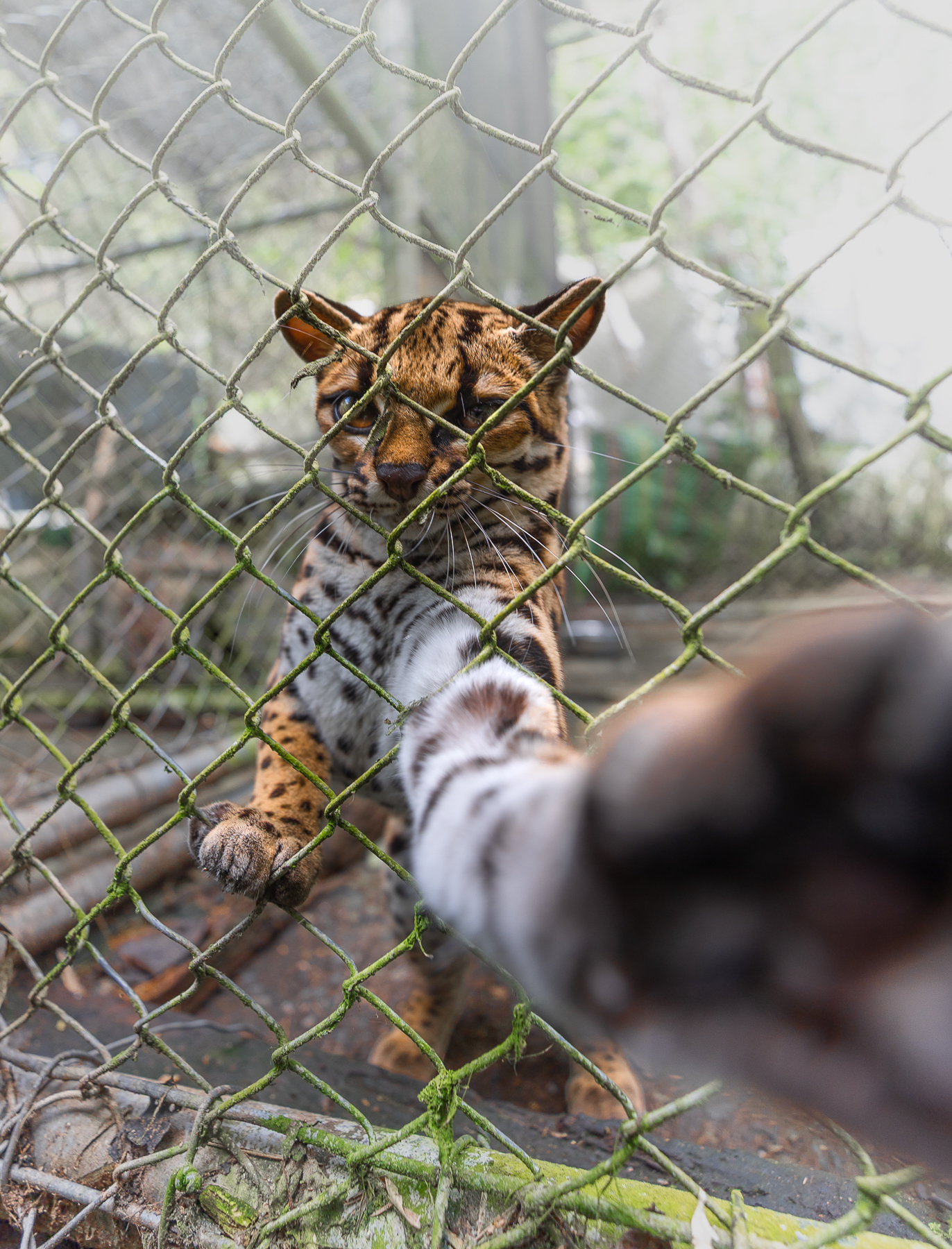
This region sits in the Andes-Amazon basin, an area researchers describe as one of the least-studied in the Neotropical realm. Little is known about the tilcayo's behavior. Remains of small rodents found in faeces samples suggest rodents are part of its diet, and camera footage hints that the cat may be more active at night.
Why the Tilcayo Discovery Matters
Formally describing a new cat species is an extraordinarily rare event. The previous new felid — a Pampas cat named Leopardus fasciatus — was described in 1923, meaning an entire century passed before the tilcayo was recognized.
The finding also matters for conservation. Tiger cats are already under pressure: the two species currently recognized by the IUCN Red List (Leopardus tigrinus and Leopardus guttulus) are both listed as vulnerable. Tadeu de Oliveira, an ecologist at the State University of Maranhão in Brazil and a study co-author, warned that the habitats of these newly delineated cats are "vanishing fast."
Because the tilcayo has not yet been assessed by the IUCN, the research team has shared its findings with the organization ahead of a planned reassessment of tiger cats, in which each newly named species is expected to be evaluated separately rather than lumped together.
One Known Living Cat: What's Next for the Tilcayo
As of late 2026, scientists know of only one living individual of the new species: Tigrino, the cat that triggered the discovery. Now about 10 years old, Tigrino continues to live in protective care at the Senda Verde sanctuary in Bolivia.
The name "tilcayo" itself carries a mystery. It is not clearly related to any Spanish or Quechua word. Nogales-Ascarrunz recalled asking locals why they used it: "We asked the local people, 'Why do you call it tilcayo?' and they said, 'I don't know! My grandpa called it tilcayo, so I call it tilcayo.'"
For researchers, the next steps include searching for more tilcayos in the wild, mapping their range and behavior, and formally assessing their conservation status.
The Bottom Line: Key Points to Remember
- The tilcayo (Leopardus tilcayo) is the first new living cat species described since 1923.
- It is a tiny spotted wildcat — smaller than a house cat — native to Bolivia's Yungas cloud forests.
- It was identified through a 2026 genetic study published in Current Biology that resolved tiger cats into five distinct species.
- Local communities already knew the animal by name; science only recently confirmed it as genetically distinct.
- So far, only one living individual (Tigrino) is known, and the species has not yet been assessed by the IUCN.