
If you've been diagnosed with diabetic macular edema (DME), understanding your treatment options is more important than ever. One of the most effective approaches is intravitreal injections—a targeted therapy that may help reduce fluid buildup in the retina and prevent further vision loss. In this guide, we'll explore how intravitreal injections for DME work, their potential benefits, and what you can expect during treatment.
What Is Diabetic Macular Edema (DME)?

Diabetic macular edema, or DME, is a complication of diabetes that affects the retina—the part of your eye responsible for sharp central vision. When elevated blood sugar causes damage to the tiny blood vessels in the retina, fluid can build up in the macula, leading to swelling and blurred vision. According to the National Eye Institute (NEI), DME is the most common cause of vision loss among people with diabetic retinopathy.
Many people with DME experience visual symptoms gradually, but if left untreated, it can lead to irreversible damage. That’s why early intervention and consistent retinal care are critical.
How Do Intravitreal Injections Help Treat DME?
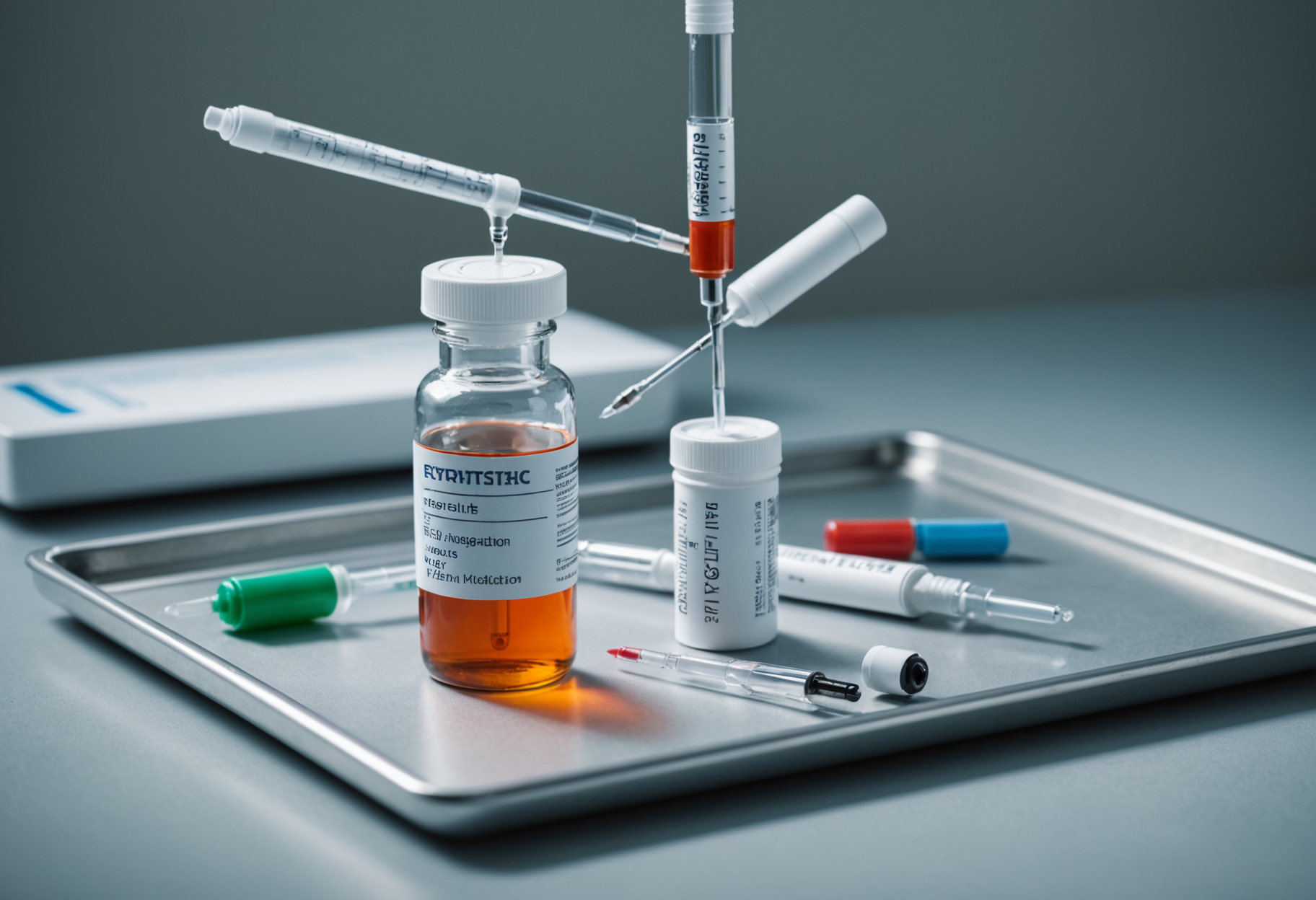
Intravitreal injections are administered directly into the vitreous humor—the gel-like substance inside your eye. These injections deliver medications that target the underlying causes of DME, specifically the overproduction of vascular endothelial growth factor (VEGF), which contributes to blood vessel leakage and swelling.
Anti-VEGF medications, such as aflibercept, ranibizumab, and bevacizumab, can help reduce fluid accumulation and stabilize or even improve vision. In some cases, corticosteroids might also be used to reduce inflammation.
According to the American Academy of Ophthalmology (AAO), regular intravitreal injections have become the gold standard in slowing progression and preserving sight in patients with DME.
What to Expect During and After the Procedure

It’s understandable to feel apprehensive about receiving an injection in your eye, but the procedure is relatively quick and typically well tolerated. Most injections are done in-office under local anesthesia using numbing drops to minimize discomfort.
Here’s a general overview of what the process might include:
- Numbing drops or gel for comfort
- Cleansing the eye to reduce risk of infection
- Precise injection with a fine needle
- Brief observation period after the injection
After the procedure, you may experience mild irritation, tearing, or floaters, which often resolve within a day. It's important to follow your eye specialist’s aftercare instructions and promptly report any unusual symptoms.
Benefits of Intravitreal Therapy for Long-Term Vision Support

While intravitreal shots may sound intense, they offer meaningful benefits for people with DME. By directly targeting the cause of retinal swelling, these treatments can help protect your central vision and quality of life.
Several studies, including data from the National Institutes of Health, show that patients who follow consistent treatment schedules often stabilize or improve visual acuity. The long-term benefits include:
- Slower progression of diabetic retinopathy
- Improved retinal health and structure
- Reduced need for more invasive surgery
- Fewer hospital visits over time with maintenance injections
Moreover, some patients may qualify for extended-release implants that reduce the frequency of injections needed.
Intravitreal injections for DME offer a proactive way to combat one of the leading causes of vision loss in people with diabetes. When managed properly, they can play a vital role in preserving your sight and supporting long-term retinal health. If you're curious about intravitreal therapy or exploring DME eye treatment options, learning more can help you make an informed decision. Be sure to consult your eye care provider for personalized guidance based on your condition.