
For those navigating recovery from opioid use disorder, understanding treatment options can make all the difference. Sublocade, a once-monthly injection, offers a unique approach to medication-assisted therapy that may lead to improved stability and adherence. In this guide, we’ll explore how Sublocade works, its benefits and safety profile, and what to consider when making informed health decisions.
What Is Sublocade and How Does It Work?

Sublocade is an extended-release form of buprenorphine, approved to treat moderate to severe opioid use disorder. Administered as a monthly injection by a healthcare provider, Sublocade slowly releases medication into the bloodstream, helping to curb cravings and reduce withdrawal symptoms over time.
This medication works by partially activating opioid receptors in the brain, which provides enough stimulation to prevent withdrawal, but not enough to create the high associated with opioids. According to the Substance Abuse and Mental Health Services Administration (SAMHSA), this type of partial agonist treatment can improve outcomes by reducing relapse and supporting long-term recovery efforts.
Key Benefits of Sublocade Treatment

One of the biggest advantages of Sublocade is convenience—because it's administered just once a month, patients don’t have to worry about remembering daily pills. Additionally, the consistent drug levels can help stabilize recovery, reduce the risk of misuse, and support adherence to treatment plans.
Here are some noteworthy benefits of Sublocade therapy:
- Reduces daily medication burden
- Minimizes risk of forgetting or missing doses
- Low potential for misuse due to provider administration
- May lower relapse rates compared to short-acting medications
- Supports continuity of care and frequent contact with providers
According to a report from the FDA, medication-assisted treatments like Sublocade have significantly increased treatment retention, which is an important predictor of recovery success.
What to Expect During Sublocade Therapy
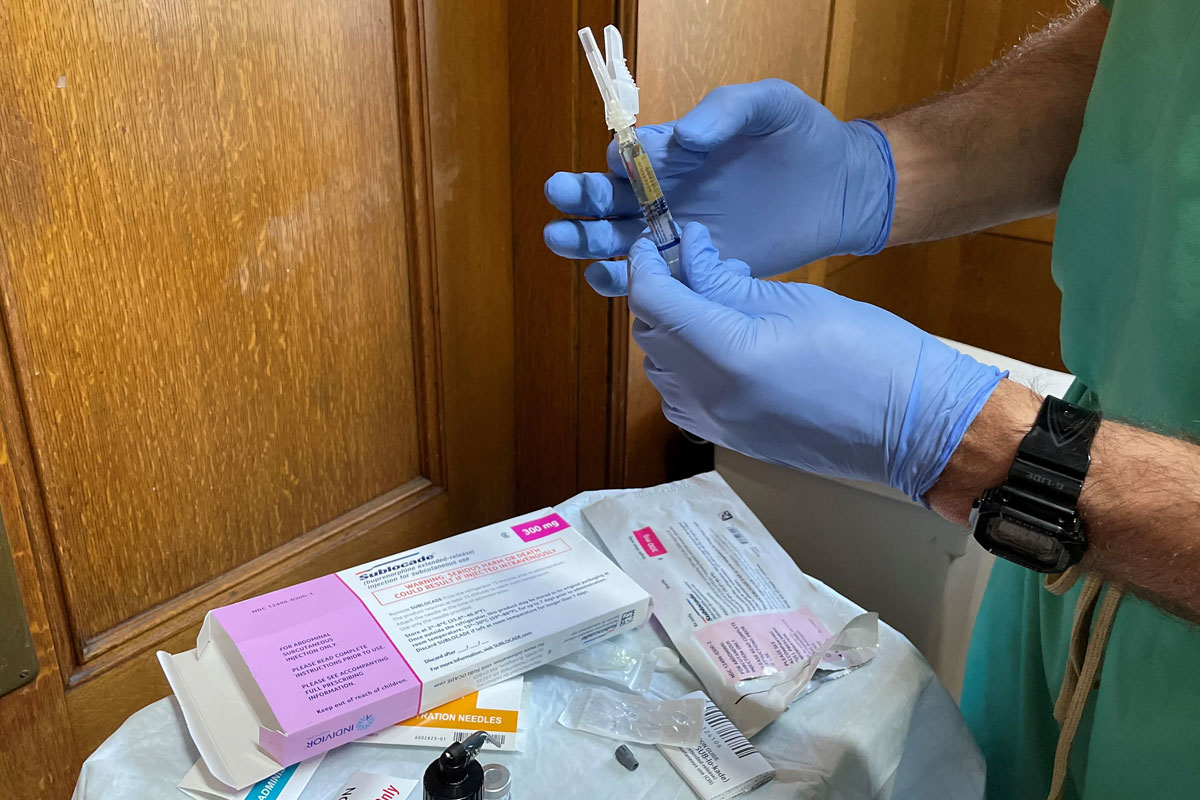
Sublocade treatment begins after at least seven days on a stabilizing dose of oral buprenorphine. Your healthcare provider will determine the right starting dose and monitor progress over time. The injection is typically given in the abdominal area and forms a gel-like depot under the skin, which dissolves slowly over the month.
Most people tolerate the injection well, but like all medications, side effects can occur. Common side effects may include injection site reactions, constipation, or nausea. It's important to communicate any discomfort to your provider, who can adjust your care plan as needed.
As noted by the Centers for Disease Control and Prevention (CDC), combining medical treatment with counseling and support services often leads to the best outcomes. Sublocade is most effective when used as part of a comprehensive recovery approach that includes behavioral therapy and social support.
Is Sublocade Safe and Right for You?

The safety profile of Sublocade has been studied extensively, and it is considered safe and effective for many adults with opioid use disorder. Because it is administered by a healthcare provider, there is a reduced risk of misuse or diversion. However, it's not suitable for everyone, particularly individuals with certain liver conditions or allergies to buprenorphine.
Before starting treatment, be open with your provider about your medical history, substance use, and any current prescriptions. Shared decision-making can help identify whether Sublocade aligns with your recovery goals.
As with any medical treatment, it's important to understand both the benefits and risks. Consult a healthcare professional for personalized advice before beginning Sublocade or any new therapy.
Choosing the right path toward recovery is deeply personal, and understanding your options is a key step. Sublocade offers a structured, once-monthly treatment approach that may support longer-term stability and reduce risk of relapse. If you’re curious about Sublocade or supporting someone in recovery, learning more can help you make an informed decision alongside your healthcare provider.