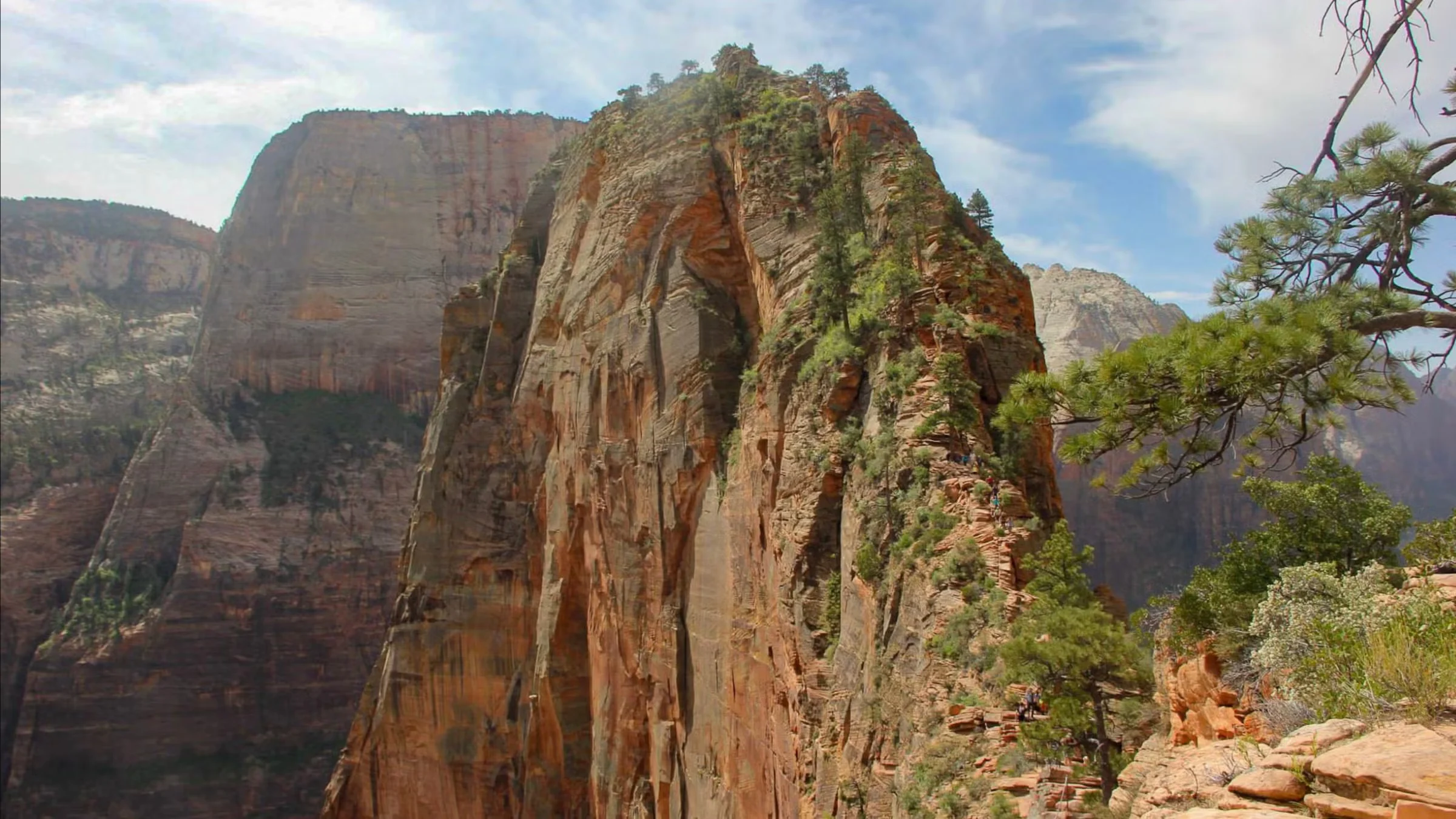
A hiker died after falling from the iconic Angels Landing trail in Zion National Park on Friday, April 18, 2026, marking the first fatality on this perilous hike since 2024. The tragic incident occurred around 2 p.m. when park officials received reports of a fall along the chain section of the trail, prompting immediate search and rescue operations that ultimately recovered the victim's body. As one of America's most dangerous hikes, Angels Landing continues to draw thrill-seekers and experienced hikers alike, but this recent tragedy underscores the critical importance of safety preparation, proper equipment, and respect for the trail's inherent risks.
Tragedy Strikes Angels Landing: What We Know About the Recent Fatality
The National Park Service confirmed the fatality on Saturday, April 19, following an extensive recovery operation that required technical rescue teams. According to officials, the hiker fell from a significant height along the exposed chain section of Angels Landing, an area characterized by steep drop-offs exceeding 1,000 feet in some places. Park rangers immediately closed the West Rim Trail, including Scout Lookout and Angels Landing, to facilitate recovery operations and ensure visitor safety. While authorities have not released the victim's identity pending notification of next of kin, preliminary reports indicate the individual was an experienced hiker visiting from out of state.
This incident represents the second hiking fatality in Zion National Park in 2026 and the first on Angels Landing since a similar tragedy in 2024. The trail has seen multiple fatalities over the decades, with the most recent occurring in 2024 when another hiker was discovered unresponsive at Scout Lookout. Despite these incidents, Angels Landing remains one of the park's most popular attractions, drawing thousands of visitors annually who seek the breathtaking panoramic views from its 1,488-foot summit.

From Pioneering Hike to Permit System: The Evolution of Angels Landing Safety
The history of Angels Landing as a hiking destination dates back to 1926 when the trail was first constructed by the Civilian Conservation Corps, but safety concerns have evolved significantly in recent decades. In response to overcrowding and increasing incidents, the National Park Service implemented a permit system in 2022 that requires all hikers to obtain advance reservations. The pilot program was designed to meter the number of hikers on the trail, particularly during peak seasons when congestion on the narrow chain sections created dangerous conditions.
Key milestones in Angels Landing's safety evolution include the installation of chains along the most exposed sections in the 1930s, regular trail maintenance and improvement projects, and the implementation of the current permit system that limits daily hikers to approximately 400-500 people. Despite these measures, the trail's inherent dangers remain, with steep drop-offs, narrow pathways, and exposure to extreme weather conditions presenting constant challenges. The recent fatality occurred despite the permit system being in place, raising questions about whether additional safety measures might be necessary.
Why Angels Landing Remains One of America's Most Dangerous Hikes
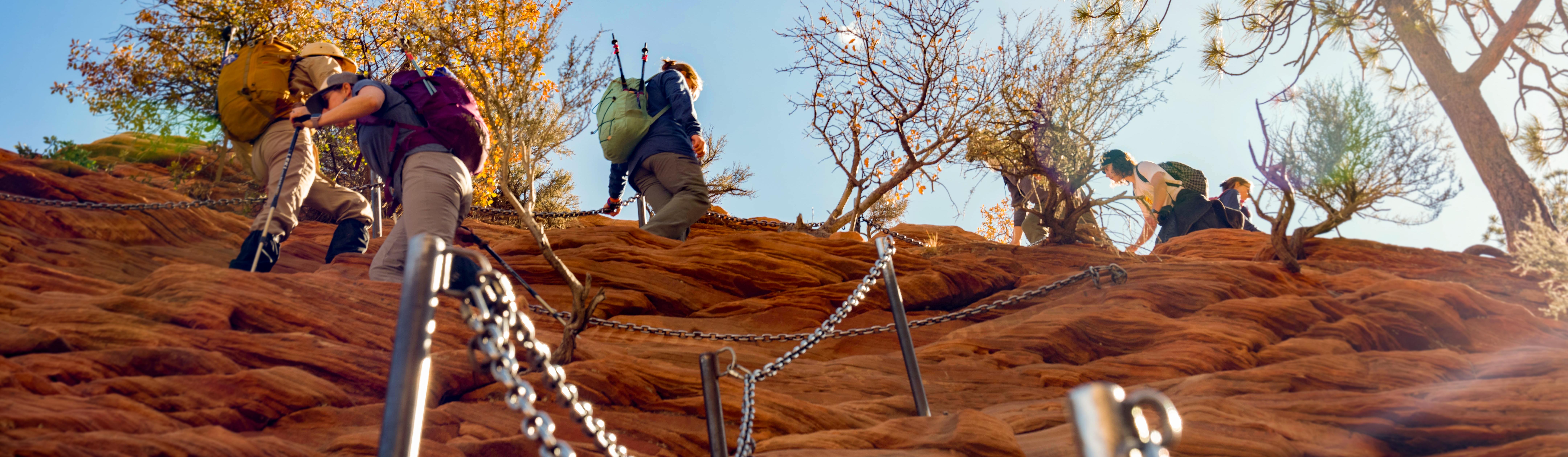
Angels Landing's reputation as one of America's most dangerous hikes stems from several factors that combine to create a uniquely hazardous environment. The 5.4-mile round-trip hike gains 1,488 feet in elevation, with the final half-mile traversing a narrow sandstone ridge secured by chains. This section features sheer drop-offs exceeding 1,000 feet on both sides, creating psychological stress for many hikers even under ideal conditions. Weather exacerbates these dangers—rain can make the sandstone treacherously slippery, while high winds increase the risk of falls along exposed sections.
According to safety experts and park officials, several factors contribute to incidents on Angels Landing: overconfidence among inexperienced hikers, inadequate footwear, failure to check weather conditions, physical exhaustion, and disregard for safety warnings. The trail's popularity on social media has also drawn less-prepared visitors seeking iconic photographs without proper appreciation for the risks. "The permit system has helped reduce crowding," explains a Zion National Park ranger in official materials, "but ultimately, your safety on the trail is your responsibility. We cannot eliminate the inherent risks of this hike."
Trail Conditions and Permit Availability After the Incident
Following the recovery operation, Zion National Park officials reopened Angels Landing on April 23, 2026, after completing necessary safety assessments. The National Park Service website indicates that scheduled trail maintenance will continue as planned, with occasional temporary closures announced through the park's alert system. Permits remain required for all hikers attempting Angels Landing, available through the park's lottery system for both seasonal and day-before drawings.
Current conditions on the trail include typical spring weather patterns with temperatures ranging from 50-75°F during daytime hours, though visitors should be prepared for rapid weather changes common in desert environments. Park officials emphasize that hikers should check current conditions via the National Park Service website or visitor center before attempting the hike, particularly noting any precipitation that could make the sandstone surfaces dangerously slick. The permit system continues to operate with adjustments based on seasonal demand, with approximately 50% of permits available through advance lottery and 50% released the day before hiking.
Planning Your Angels Landing Hike: Essential Safety Guidelines
For those determined to experience Angels Landing despite the risks, comprehensive preparation is essential for a safe and successful hike. First and foremost, secure your permit through the official National Park Service lottery system—attempting the hike without a permit can result in citations and endangers both you and other hikers. Physical preparation should include cardiovascular training and experience with steep, exposed trails; this is not a hike for beginners or those with significant fear of heights.
Essential gear includes sturdy hiking boots with excellent traction (no sandals or smooth-soled shoes), at least 2-3 liters of water per person, high-energy snacks, sun protection (hat, sunscreen, sunglasses), and layers for changing weather conditions. Start your hike early in the morning to avoid afternoon heat and potential thunderstorms, and allow 4-5 hours for the round trip at a moderate pace. Most importantly, know your limits—if you feel uncomfortable at any point, particularly at Scout Lookout before the chain section, turn back without hesitation. The view from Scout Lookout is spectacular in its own right and represents a safe alternative for those who reconsider the final exposed section.
Key Takeaways for Hikers Considering Angels Landing
The recent tragedy on Angels Landing serves as a sobering reminder that nature's beauty often comes with significant risks. This iconic hike offers unparalleled views of Zion Canyon but demands respect, preparation, and honest self-assessment of abilities. While the permit system has improved safety by reducing crowding, it cannot eliminate the inherent dangers of steep drop-offs, narrow pathways, and variable weather conditions.
For prospective hikers, the decision to attempt Angels Landing should be based on realistic assessment of physical fitness, hiking experience, and comfort with extreme exposure. Those who proceed should do so with proper preparation, appropriate gear, and willingness to turn back if conditions feel unsafe. As Zion National Park officials emphasize repeatedly: "The mountains don't care about your plans. Your safety is your responsibility." By approaching Angels Landing with respect and preparation, hikers can better ensure their experience remains among their most memorable—rather than their most dangerous—adventures.