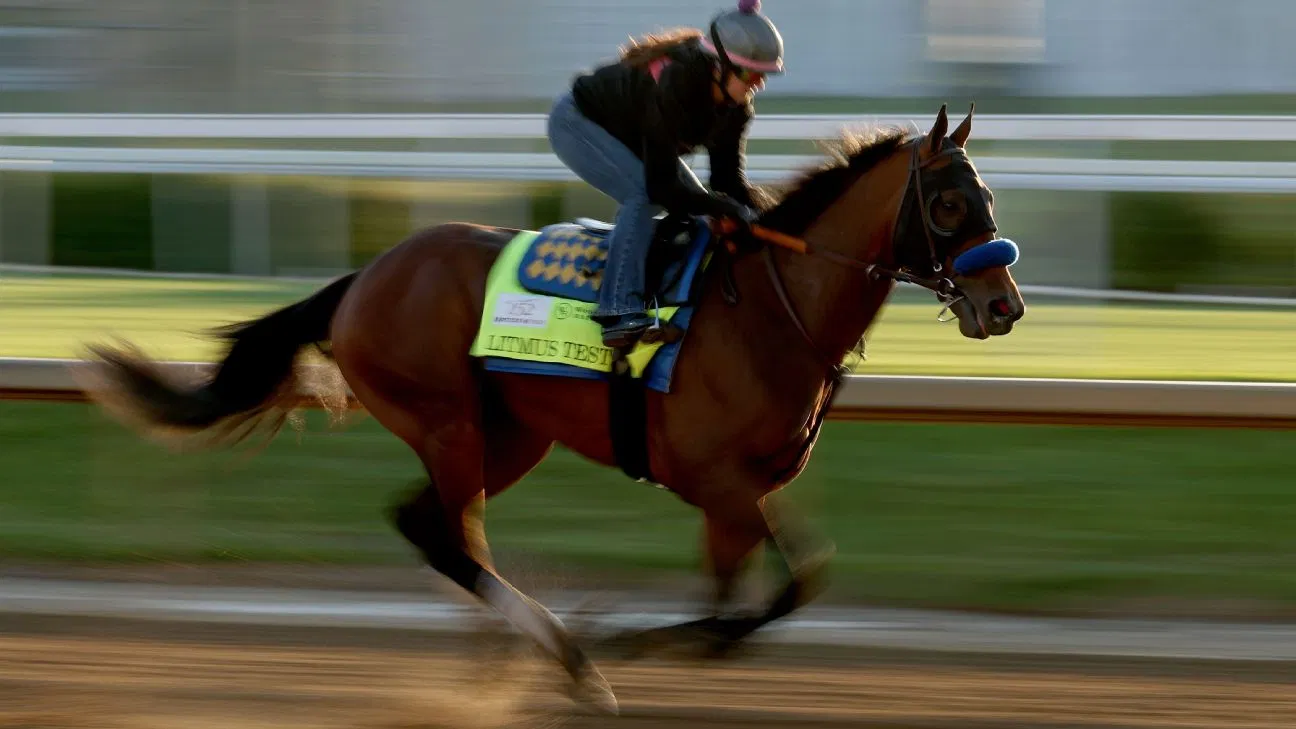
The Kentucky Derby is far more than a horse race — it's America's oldest continuously running major sporting event, a cultural spectacle, and the most famous two minutes in sports. The 152nd running of the Kentucky Derby takes place on Saturday, May 2, 2026, at Churchill Downs in Louisville, Kentucky, with the main event set for approximately 6:57 p.m. ET. Known as "The Run for the Roses," the Derby blends elite athletic competition with deep-rooted traditions, fashion, Southern hospitality, and a festival atmosphere that draws more than 150,000 fans to the track each year.
The History Behind America's Race
The Kentucky Derby was first run in 1875, inspired by England's Epsom Derby. Its founder, Meriwether Lewis Clark Jr. — grandson of the famed explorer William Clark — envisioned a premier American horse race modeled after Europe's great sporting traditions. The inaugural Derby took place on May 17, 1875, at a then-new racetrack called Churchill Downs. A horse named Aristides, ridden by jockey Oliver Lewis, crossed the finish line first in front of a crowd of approximately 10,000 spectators. Fifteen horses competed that day over a distance of 1.5 miles, which was later shortened to its current 1¼ miles in 1896.
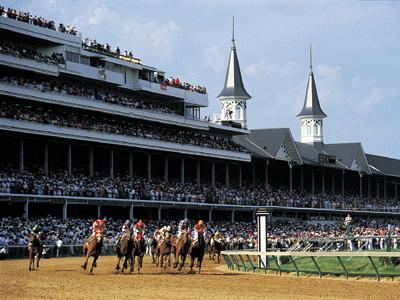
From the very beginning, the race focused on three-year-old Thoroughbreds, a standard that remains today. The iconic Twin Spires — now the most recognizable symbol in American horse racing — were added to Churchill Downs in 1895. Designed by a 24-year-old draftsman named Joseph Dominic Baldez, the spires rise 55 feet above the grandstand roofline and have become synonymous with the Derby itself.
How Horses Qualify for the Derby
Getting to the Kentucky Derby starting gate is a journey in itself. Most horses earn their spot through a series of prep races known as the Road to the Kentucky Derby. These qualifying races are held at tracks across the United States and around the world, with points awarded to the top five finishers in each race. The 18 horses with the most points earn a place in the starting gate, with two additional spots available through other criteria, creating a maximum field of 20 horses.
This points-based system replaced the previous earnings-based qualification method in 2013 and ensures that the best and most consistent three-year-olds earn their way to Churchill Downs. The prep race season runs from September through April, culminating in major final prep races like the Blue Grass Stakes at Keeneland and the Arkansas Derby at Oaklawn Park.
The Rules: Age, Weight, and Distance
To compete in the Kentucky Derby, a horse must be a three-year-old Thoroughbred. This age restriction has been in place since the race's founding and ensures a level playing field, as all horses are at the same stage of development. Colts and geldings carry 126 pounds (57 kilograms), while fillies receive a 5-pound allowance and carry 121 pounds. The race distance is 1¼ miles (10 furlongs, or 2,012 meters) — longer than most American dirt races for three-year-olds, which makes stamina and endurance crucial factors in who crosses the finish line first.
This distance is one of the reasons the Derby is so unpredictable. Horses who sprint well at shorter distances may fade in the final furlongs, while those with stronger stamina profiles often surge late. The combination of a large field (up to 20 horses), the unique distance, and the electric atmosphere of Derby Day creates one of the most challenging tests in all of horse racing.
The 2026 Kentucky Derby: Date, Time, and Schedule
The 2026 Kentucky Derby takes place on Saturday, May 2, 2026 — the first Saturday in May, as tradition dictates. The main event has a post time of approximately 6:57 p.m. ET. But Derby Day is far more than a single race. The gates open at Churchill Downs as early as 8:00 a.m., and the undercard features a full slate of stakes races leading up to the main event. The Kentucky Derby Festival, which includes the Great Steamboat Race, the Pegasus Parade, and fireworks over the Ohio River, kicks off weeks before race day and transforms Louisville into a citywide celebration.
The Kentucky Oaks, the premier race for three-year-old fillies, takes place on Friday, May 1, 2026 — the day before the Derby. Together, Derby Weekend is one of the most anticipated events on the American sports calendar, broadcast nationally on NBC and streamed on Peacock.
Traditions That Make the Derby Unique
The Kentucky Derby is as much about tradition as it is about horse racing. Perhaps the most famous tradition is the blanket of roses. Each year, the winning horse is draped with a garland of more than 500 red roses, a tradition that began in 1896 and gave the Derby its nickname, "The Run for the Roses." The blanket weighs approximately 40 pounds and is meticulously assembled by local florists.
The mint julep is the official drink of the Kentucky Derby. Made with bourbon, fresh mint, sugar, and crushed ice, this refreshing cocktail has been associated with the Derby since the 1930s. Churchill Downs serves approximately 120,000 mint juleps over Derby Weekend. The drink is traditionally served in a commemorative glass, which many fans collect as souvenirs.
Derby fashion is another hallmark of the event. Elaborate, oversized hats — a tradition dating back to the race's early days — are a must-see spectacle. Women wear elaborate headpieces adorned with flowers, feathers, and ribbons, while men sport seersucker suits and bow ties. The fashion has become so iconic that it rivals the race itself for attention.
Records and Legendary Performances
The Kentucky Derby has produced some of the most legendary moments in sports history. Secretariat's 1973 victory remains the gold standard — his time of 1:59.40 still stands as the fastest Kentucky Derby ever run, and no horse has broken the two-minute barrier since. Secretariat went on to win the Triple Crown that year, capturing the Preakness Stakes and Belmont Stakes as well.
In the Derby's early years, African American jockeys dominated the sport. Riders like Isaac Murphy — who won three Derbies in the 1880s and 1890s — and Willie Simms were among the first superstars of American horse racing. Despite facing segregation and discrimination, these pioneering athletes shaped the sport's early history and set records that stood for decades.
Other unforgettable Derby moments include the 1978 victory of Affirmed (the most recent Triple Crown winner until American Pharoah in 2015), the stunning upset of 80-1 longshot Mine That Bird in 2009, and the 50-1 victory of Rich Strike in 2022.
What Makes the Kentucky Derby So Special?
The Kentucky Derby's enduring appeal lies in its unique combination of sport, tradition, and pageantry. It is the first and most famous leg of the American Triple Crown, followed by the Preakness Stakes and the Belmont Stakes. Winning the Derby puts a horse on the path to racing immortality. But for the hundreds of thousands of fans who attend in person and the millions who watch around the world, the Derby is about far more than the winner.
It's the sound of 150,000 people singing "My Old Kentucky Home" as the horses parade to the starting gate. It's the sight of the Twin Spires glowing in the late afternoon sun. It's the taste of a mint julep on a warm spring day. And it's the thunder of hooves as 20 Thoroughbreds — the best three-year-olds in the world — race for glory in just about two minutes. That is the magic of the Kentucky Derby, and why it continues to capture the world's imagination, year after year.